



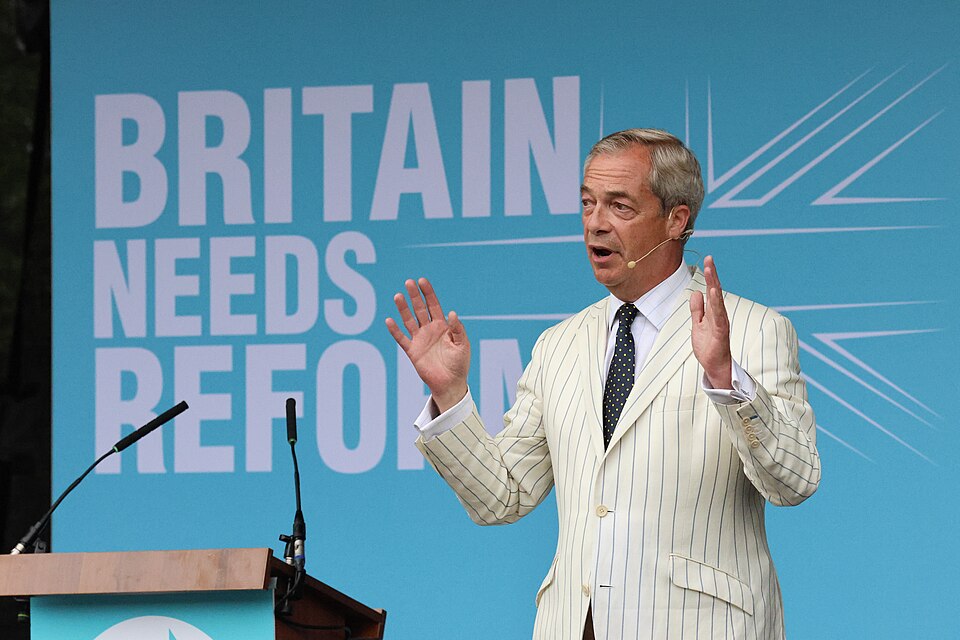
Britain’s local elections may ultimately be remembered as the moment the country fully entered its post-two-party era.
The rapid rise of Nigel Farage’s Reform UK has transformed what initially appeared to be protest voting into a structural political realignment. Labour suffered heavy losses across England, Scotland and Wales, while Reform established itself as the primary vehicle for anti-establishment frustration.
For Prime Minister Keir Starmer, the results exposed a growing disconnect between institutional stability and public mood.
Economically, Britain has avoided a crisis. Politically, however, the electorate appears increasingly volatile, distrustful and fragmented.
Reform’s success also demonstrates how immigration, economic stagnation and distrust toward elites continue reshaping European democracies far beyond continental Europe itself.
What makes Britain particularly vulnerable is that dissatisfaction now cuts across ideological lines simultaneously, with working-class voters frustrated over migration, young voters disillusioned with economic mobility and conservative voters skeptical of establishment institutions.
Westminster increasingly resembles other Western democracies where traditional center-left and center-right parties struggle to contain populist insurgencies. The difference is that Britain’s political system was designed around stability – not fragmentation.