




Brussels and London aim to deepen cooperation on trade, defence and security as geopolitical pressures push both sides toward closer alignment.
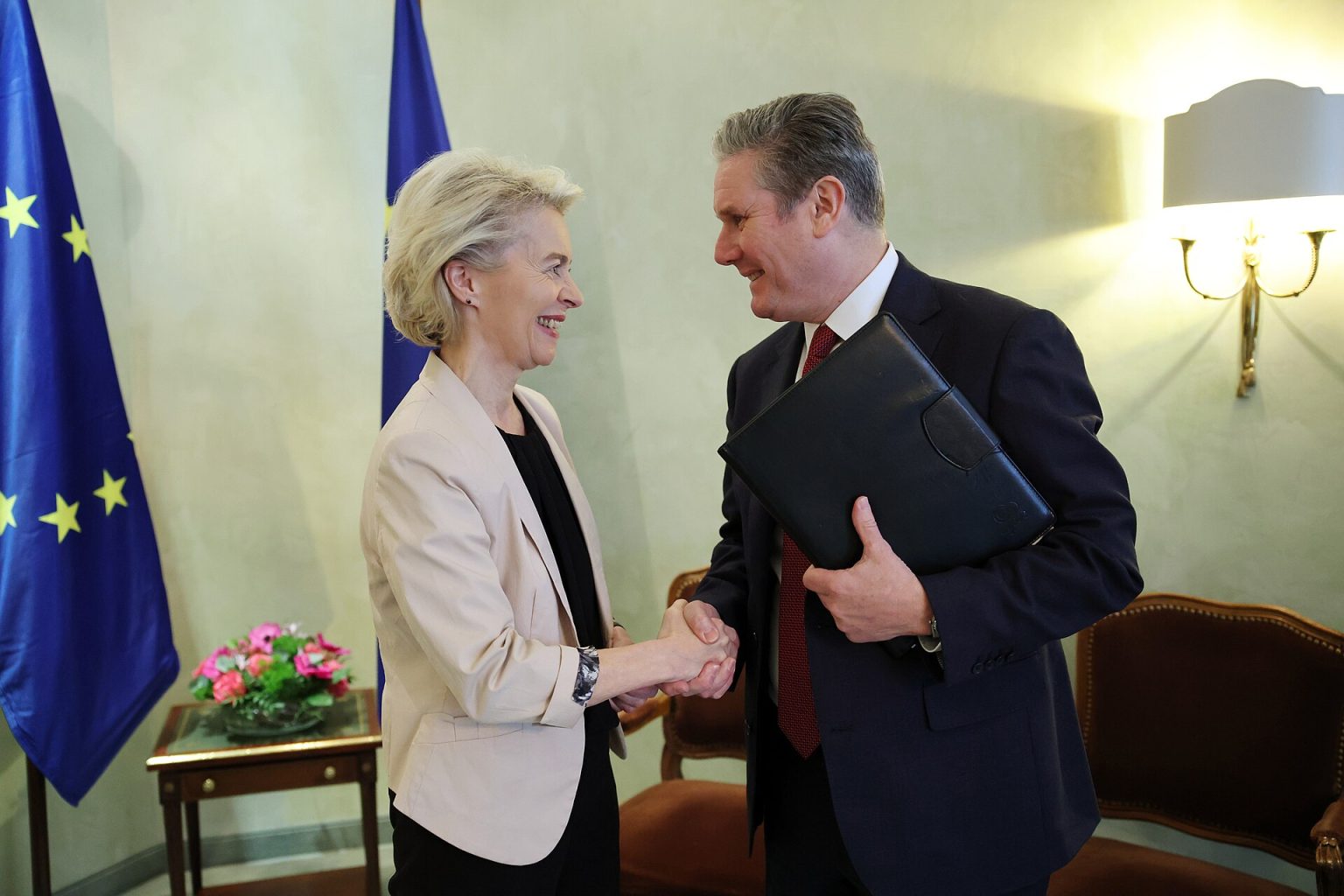
The European Union and the United Kingdom will hold a high-level summit on 22 July, marking the latest attempt to strengthen post-Brexit cooperation amid growing geopolitical uncertainty and mounting economic challenges across Europe.
The meeting, confirmed following discussions between British Prime Minister Keir Starmer and European Council President António Costa during the G7 summit in France, is expected to focus on expanding collaboration in trade, defence, energy security and industrial policy while advancing London’s broader strategy to reset relations with Brussels. The announcement comes as both sides confront a rapidly changing international environment shaped by Russia’s war in Ukraine, transatlantic uncertainty and intensifying global economic competition.
While neither side is seeking to revisit Brexit itself, officials increasingly acknowledge that practical cooperation has become a strategic necessity. Negotiations ahead of the summit are expected to address reducing trade frictions, strengthening defence industrial cooperation, expanding energy partnerships and exploring new arrangements on youth mobility and professional exchanges.
The planned summit reflects a notable evolution in European politics since Britain’s departure from the bloc. Security concerns have increasingly overshadowed ideological debates surrounding Brexit, encouraging closer coordination between London and Brussels on sanctions policy, military support for Ukraine and resilience against hybrid threats.
Economic considerations are also playing a significant role. British officials argue that improving commercial ties with the EU remains essential for boosting growth, attracting investment and easing pressure on supply chains, while European policymakers see closer UK cooperation as beneficial for strengthening the continent’s overall competitiveness and strategic autonomy.
Diplomats caution that several politically sensitive issues remain unresolved, including regulatory alignment, food standards and mobility arrangements, which have complicated preparations for the summit in recent weeks. Nevertheless, officials on both sides insist that momentum toward a broader strategic partnership has continued despite difficult negotiations.
The July meeting is expected to produce new agreements aimed at institutionalising annual political consultations and expanding cooperation across multiple policy areas rather than pursuing sweeping changes to the existing Brexit settlement.
For European leaders, the summit represents an opportunity to reinforce continental security and economic resilience at a time of growing global instability. For the British government, it offers a chance to demonstrate that pragmatic engagement with the European Union can coexist with maintaining the UK’s post-Brexit political independence.
Whether the meeting delivers substantive breakthroughs or incremental progress, the summit is likely to serve as an important indicator of how Europe intends to adapt its internal partnerships to an increasingly volatile international landscape.