




Mediators are testing a revised proposal that links phased Hamas disarmament to security guarantees in a renewed push for a ceasefire and hostage agreement.
Efforts to salvage the fragile peace in the Middle East have taken a significant step forward with regional mediators tabling a modified blueprint for the disarmament of Hamas. The new proposal represents a critical attempt to revive the stagnant peace plan originally brokered by the administration of President Donald Trump, which brought a temporary pause to two years of devastating warfare.
By introducing a tightly timetabled, reciprocal framework for weapons collection and military withdrawal, negotiators are trying to bridge the seemingly irreconcilable demands of the combatants. Why this development matters is clear, as the total collapse of the current truce risks plunging the entire region back into an active, multi-front war of attrition.
According to media reports, the revised strategy drafted by conciliators from Egypt, Qatar, and Turkey shifts away from demands for immediate surrender. Instead, the proposal outlines a gradual framework where the weapons of Hamas would be collected, inventoried, and placed into secure storage sites in distinct chronological stages.
To address a core objection from the militant faction, the plan also requires the simultaneous disarmament of Israeli-backed militias operating within the territory. This specific clause is intended to alleviate fears that a disarmed Hamas would become an easy target for local rivals. Furthermore, the blueprint allows the group to extract hardware from tunnels and subterranean bases that were fractured during the heavy bombardment of the previous conflict.
The administration of the territory under this new framework would see a significant transformation of local security structures. Recent assessments indicate that the proposal advocates for the rehabilitation and integration of roughly ten thousand members of the existing Hamas-linked police force into a brand-new security apparatus.
Rather than relying on an international stabilisation force to manage the initial weapon handovers, the plan introduces a specialised committee composed of representatives from the three mediating countries alongside two public Palestinian figures from Gaza. This committee would work in tandem with a transitional body of nonpartisan Palestinian technocrats who are slated to take over day-to-day governance once security conditions permit their entry into the enclave.
The strategic value of this compromise depends entirely on achieving reciprocal actions from the Israeli government, creating a critical point of friction. Military planners increasingly believe that the continuous expansion of Israeli military control, which now covers nearly seventy per cent of the enclave despite the active ceasefire, complicates any path toward a lasting settlement.
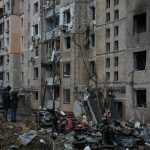
Security analysts suggest that this step-by-step mechanism is designed to guarantee that reconstruction can finally commence in devastated urban centres while ensuring an uninterrupted flow of vital international humanitarian assistance.
Despite the flexibility offered by the regional intermediaries, the political hurdles to implementation remain exceptionally high. Western officials argue that the government in Jerusalem is highly unlikely to accept any framework that does not mandate the immediate, unconditional capitulation of the militant group.
Israeli leadership has consistently viewed the local police force as an inseparable extension of the terrorist network, insisting on its total eradication. Similarly, senior envoys from the international Board of Peace have expressed deep scepticism regarding partial disarmament, warning that allowing any faction to retain personal firearms for self-protection is a clear recipe for bloody internal strife.
Looking ahead, the international community must focus on the immediate diplomatic reactions as the proposal is debated in Cairo.
Decision makers warn that the window for a negotiated settlement is closing rapidly as the distraction of wider geopolitical conflicts draws international focus away from the enclave. The research community believes that if these modified parameters are rejected out of hand by either combatant, all-out hostilities will inevitably resume, completely dismantling the legacy of the initial truce. Regional observers note that the ultimate indicator of progress will be whether the mediating nations can convince the Trump administration to exert its remaining political leverage to force both sides into a binding compromise before the ceasefire permanently dissolves.