




Fragile maritime calm disrupted as IMO pauses rescue operation amid renewed security concerns
The International Maritime Organization (IMO) has temporarily suspended a coordinated evacuation effort for vessels stranded in the Persian Gulf following a fresh attack on a ship crossing the Strait of Hormuz, underscoring the fragility of a recently brokered ceasefire between Iran and the United States.
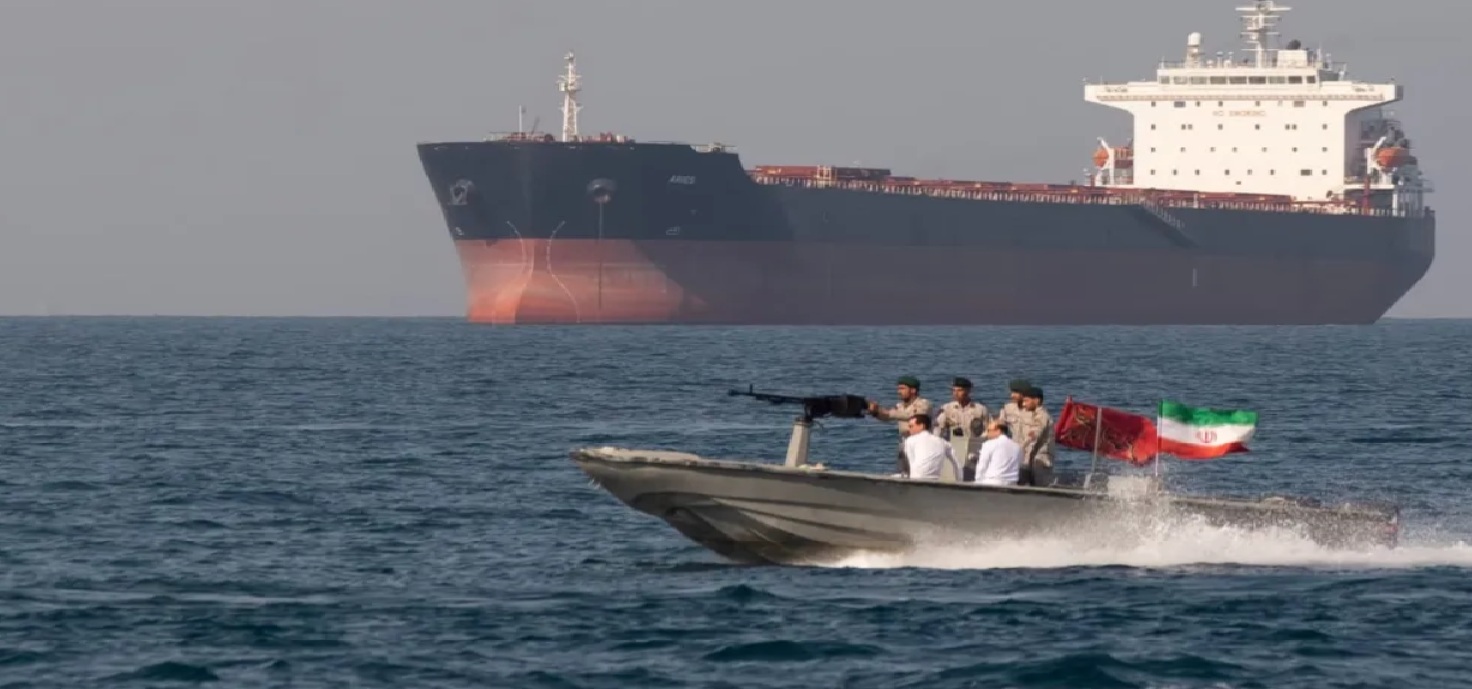
The incident, which occurred near the Omani coast, comes after Iran reportedly warned commercial shipping to use designated maritime corridors through the strait rather than alternative routes supported by the United States. The attack has raised new questions over the durability of the ceasefire agreement signed just last week, which was intended to restore stability to one of the world’s most strategically vital shipping lanes.
IMO Secretary-General Arsenio Dominguez confirmed the suspension of the evacuation initiative, citing the need to reassess security guarantees for vessels operating in the region.
“I have decided to temporarily pause its implementation in order to reconfirm that the necessary safety guarantees continue to be in place for the ships on our evacuation list and all those in the region,” Dominguez said.
Attack on vessel near Oman
According to the UK Maritime Trade Operations (UKMTO), a vessel sailing near the Omani coastline reported being struck by an “unknown projectile.” The impact caused damage to the ship’s bridge, though no casualties were reported.
While the origin of the attack has not been officially confirmed, The Wall Street Journal reported that Iran was behind the incident. The allegation comes shortly after Tehran issued warnings insisting that ships must adhere to its designated shipping corridors through the Strait of Hormuz.
Washington monitoring situation
Reacting to the developments, a U.S. official said the administration was assessing the reports and reaffirmed Washington’s position on freedom of navigation in the region.
“President Trump has been clear that Iran cannot subvert the free flow of traffic in the Strait,” the official said.
Shipping disruption and market reaction
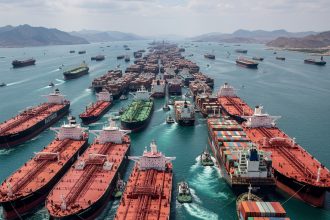
Maritime traffic through the strait had shown tentative signs of recovery following the ceasefire agreement. On Wednesday, nearly 50 vessels transited the waterway — the highest daily figure since the conflict began, according to maritime intelligence firm Windward. However, at least five ships reportedly reversed course on Thursday after Iran’s latest warning, highlighting renewed uncertainty among commercial operators.
The renewed tensions also had immediate economic repercussions. U.S. benchmark crude oil prices rose by more than 2 percent in afternoon trading, reversing recent declines tied to hopes of de-escalation.
Evacuation effort put on hold
The IMO had launched the evacuation initiative earlier in the week, aiming to address what it described as “months of hardship and distress” for more than 11,000 seafarers stranded in the region since the outbreak of hostilities. The program was reportedly supported by the United States, Iran, Oman, and several Gulf states.
However, the latest attack has effectively frozen implementation of the plan, casting doubt over whether maritime coordination efforts can proceed under current security conditions in the Strait of Hormuz — a chokepoint that remains central to global energy and trade flows.