


The president has threatened bridges and power plants as leverage to force Iran back to the table. Legal scholars say striking that kind of infrastructure deliberately is exactly what the laws of war were written to prevent
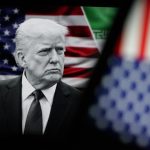
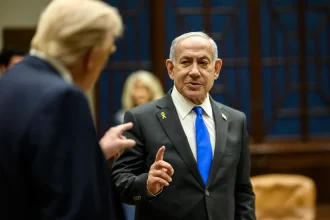
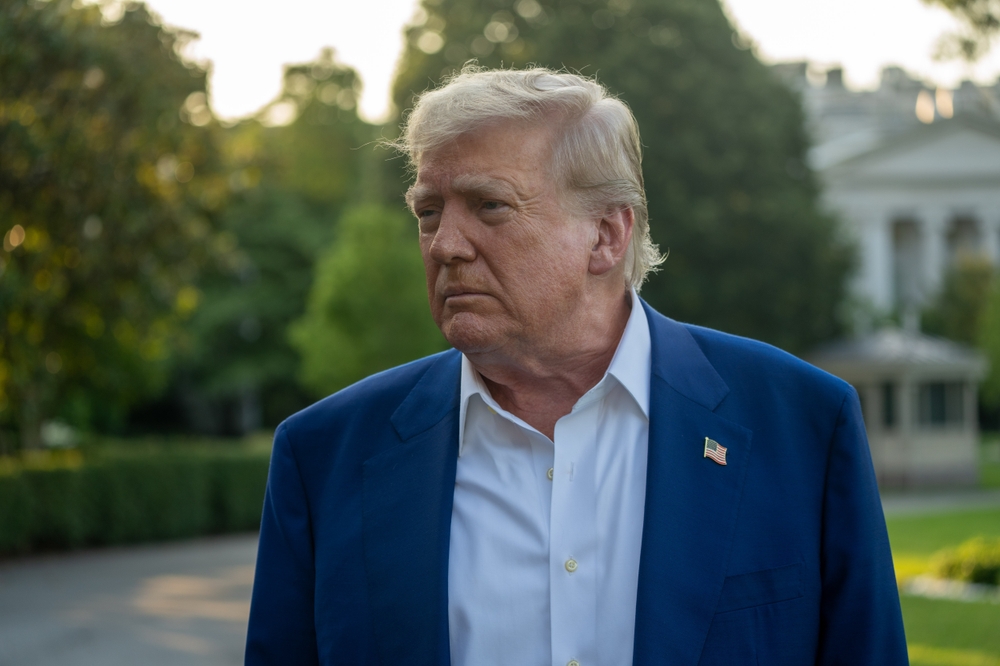
President Donald Trump has threatened to strike Iran’s bridges and power plants unless Tehran returns to peace talks with Washington, reviving concerns among legal experts, lawmakers and human rights groups that the president is describing conduct that would meet the legal definition of a war crime. The threat came as the US and Iran exchanged strikes for a fourth consecutive night, with the fragile ceasefire framework that had briefly paused the conflict now effectively collapsed.
What Trump actually said
In a media interview aired Tuesday night, Trump said the US would “knock out” Iran’s power plants and bridges unless Tehran agreed to negotiate, adding that “next week, it gets really bad for them.” He said he would “save the energy targets for last, but ultimately we’ll hit energy targets.”
The comments echo an April threat, when Trump warned that a “whole civilisation will die tonight, never to be brought back again” if Iran did not reopen the Strait of Hormuz by a deadline he had set at the time. That earlier warning drew condemnation from lawmakers on both sides of the aisle, former officials, human rights organisations and the Pope. More than 100 international law experts said in an open letter that month that US strikes on Iran raised serious concerns about violations of international humanitarian law, including potential war crimes.
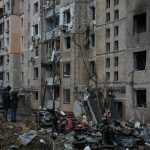
The US did strike a bridge under construction in Karaj, northwest of Tehran, in early April, and Trump shared footage of its collapse on social media, promising “more to come.” The White House has said the US “will always act within the confines of the law” in Iran, and Trump has said he is “not at all” concerned that his threats against civilian infrastructure could amount to war crimes.
What the law actually says
Deliberate attacks on civilians and non-military infrastructure are restricted under several bodies of international law, including the Geneva Conventions and the UN Charter.
The Geneva Conventions specifically prohibit targeting sites “indispensable to the survival of the civilian population,” a category that power infrastructure and civilian bridges typically fall under, absent a clear, demonstrable military use.
The Pentagon’s own legal guidelines similarly place civilians, medical and religious personnel, and combatants rendered hors de combat, meaning unable to fight due to injury or capture, off limits, and require that cultural sites, monuments and comparable facilities not be targeted unless they qualify as legitimate military objectives, with few exceptions to that rule. Whether a specific power plant or bridge meets the threshold of a legitimate military target depends on facts particular to each strike, which is precisely why legal experts have said broad, categorical threats to hit an entire class of civilian infrastructure, rather than identified military objectives within it, raise such acute concern.
Why does this argument keep resurfacing
This is not the first time Trump’s stated approach to international law has drawn this kind of scrutiny during his current term. Legal experts have separately raised concerns that the administration’s ongoing strike campaign against suspected drug-smuggling boats in the Caribbean Sea and Pacific Ocean has violated international law; those strikes have killed at least 210 people since beginning in September 2025. Trump told The New York Times in early January that he does not “need international law,” describing his own morality as the only constraint on his authority.
Defence Secretary Pete Hegseth, for his part, fired the armed forces’ most senior uniformed lawyers last year, the officials responsible for advising commanders on whether specific orders are lawful, having previously described military lawyers as “roadblocks to orders that are given by a commander-in-chief.”
That institutional detail carries a legal weight beyond politics. Under US military law, service members are required to obey lawful orders and to refuse unlawful ones, and following a presidential directive does not by itself shield a service member from prosecution for carrying out an order found to be illegal. Removing the senior legal officials whose role is to flag that distinction before an order is executed does not change the underlying law, but it does remove a formal check that has historically existed precisely to catch this kind of exposure before, not after, a strike occurs.
The war these threats are unfolding inside
Trump’s comments came as fighting around the Strait of Hormuz intensified sharply. US Central Command said it struck dozens of Iranian military targets over seven hours into Wednesday, including missile sites along the strait and Iran’s coastline, and separately disabled a Curaçao-flagged tanker, the Belma, with Hellfire missiles after the vessel allegedly ignored warnings while approaching Iran’s Kharg Island.
The US reinstated a naval blockade of Iranian ports this week, even as Trump abandoned an earlier plan to charge a 20 per cent fee on cargo transiting the strait under US protection. Iran’s military said it struck US facilities in Jordan, Kuwait and Bahrain, including fuel depots belonging to the Fifth Fleet, and Iranian state media reported seven soldiers killed and 13 injured in strikes in the country’s southeast, with local authorities in Bushehr reporting additional strikes. Iranian health authorities said 260 people had been injured since fighting resumed.
A memorandum of understanding signed by Washington and Tehran in June, under which Iran had committed to ensuring safe passage for commercial vessels through the strait, effectively lapsed after Trump declared the ceasefire “over” last week, with US officials citing stalled talks amid internal power struggles in Tehran.
Amid the escalation, Trump announced Wednesday that Iran had released Dena Karari, a US citizen detained since December 2024, calling it a gesture of goodwill. Her attorney, international human rights lawyer Jared Genser, credited Trump’s efforts directly for securing her release and said she was safely travelling back to the United States, a rare moment of cooperation between the two governments even as the broader military confrontation between them continued to intensify on multiple fronts.