


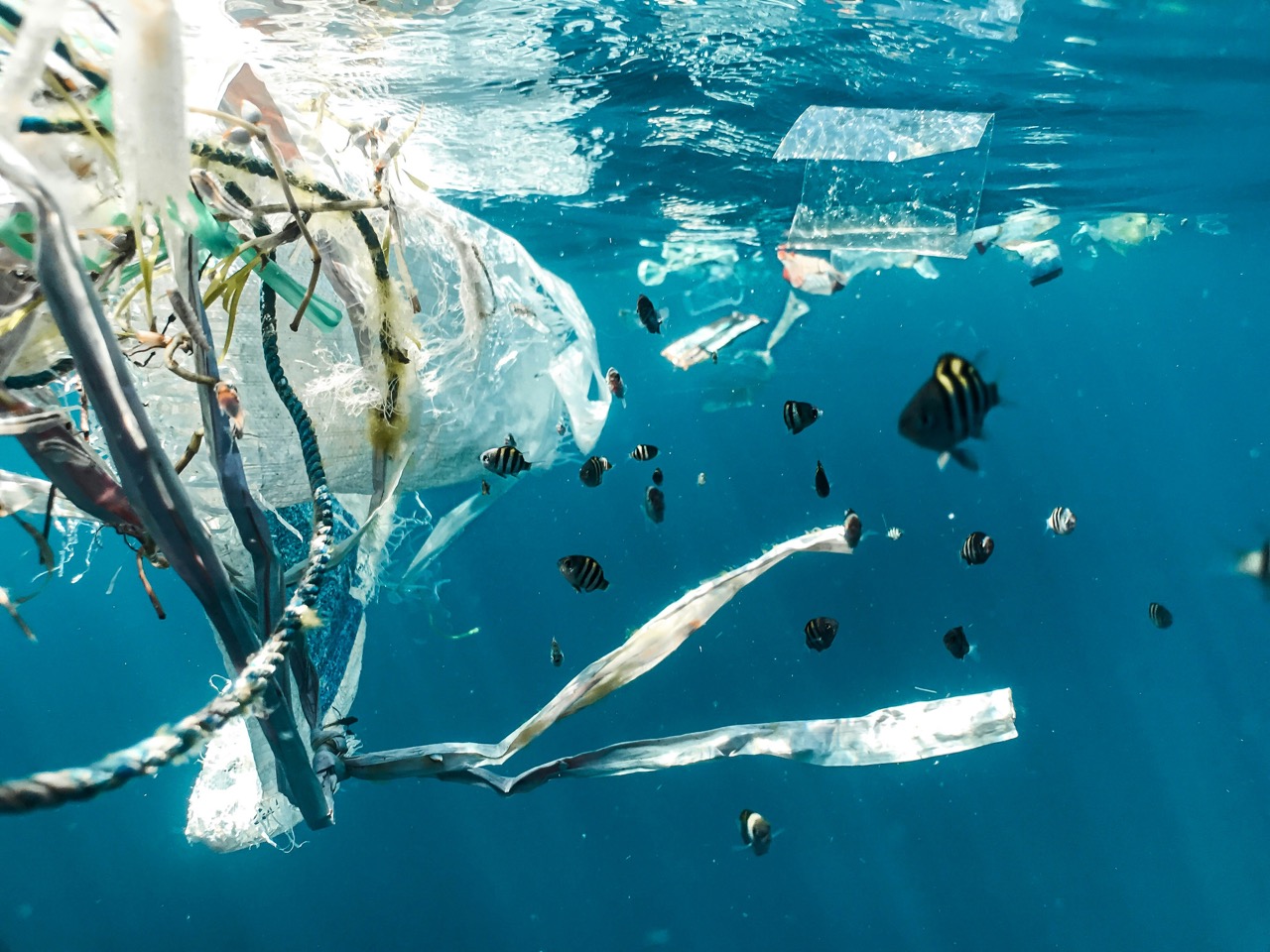
Talks on a global plastics treaty remain deeply divided, with governments split over whether the agreement should limit plastic production or focus mainly on recycling and waste management. UNEP’s mandate is to develop a legally binding instrument covering the full life cycle of plastic, including production, design and disposal.
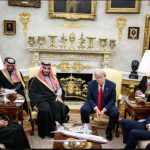
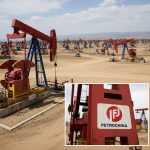
The dispute is geopolitical as much as environmental. More than 100 countries support stronger production limits, while oil-producing states have resisted measures that would restrict petrochemical demand. That makes the plastics treaty a revealing test of global climate diplomacy after years of difficult negotiations.
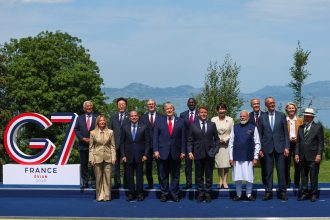
The question is no longer only whether governments agree that plastic pollution is a crisis. They do. The real question is whether multilateral diplomacy can still produce binding rules when environmental protection collides directly with fossil-fuel economic interests.