


How business interests shaped the American president’s foreign policy
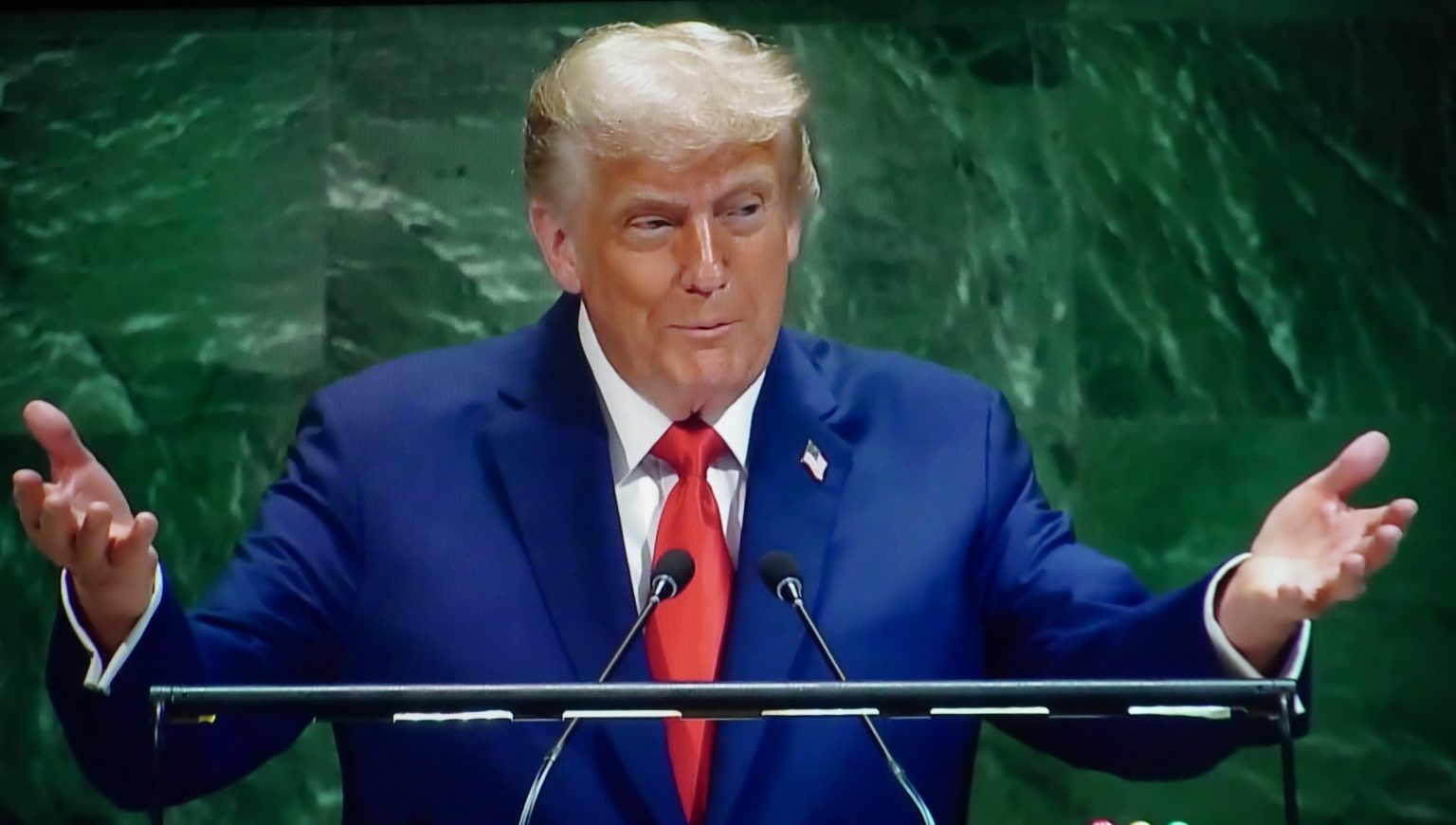
Since returning to the White House in January 2025, President Donald Trump has reshaped American foreign policy at a striking pace. He has renegotiated trade terms with allies, threatened tariffs against partners and rivals alike, and pursued personal diplomacy with leaders in Russia, China and the Middle East. Critics argue that his approach blurs the line between national interest and personal business ties. Supporters say he is simply applying a transactional, deal focused style to a world that has grown too comfortable with slow moving diplomacy. The debate matters because American foreign policy shapes markets, alliances and conflicts far beyond its borders. What happens next will likely depend on how Congress, allies and international institutions respond to this unconventional style of leadership.
A Different Kind of Diplomacy
Trump has long described himself as a dealmaker first and a politician second. That instinct has carried into his second term. He has pushed hard for agreements on trade, minerals and energy, often tying diplomatic outcomes to economic terms.
A security assessment found that this approach has produced both quick results and new uncertainties. Deals have been struck faster than under previous administrations. Yet some agreements have unraveled just as quickly, once economic terms shifted or political pressure mounted.
Trump’s family businesses have also expanded during this period, including new ventures in cryptocurrency and international real estate. Watchdog groups and some lawmakers have raised concerns that these business interests could influence decisions on tariffs, sanctions or diplomatic recognition. An international organization report warned that blurred lines between private business and public office create risks of perceived or actual conflicts of interest, even when no laws are broken.
The White House has consistently rejected these claims. Officials argue that all deals go through standard legal and ethical review, and that personal business dealings do not shape presidential decisions. They point out that presidents before Trump, from both parties, have also faced questions about family business ties, donor networks or post office speaking fees.
Global Reactions Are Mixed
Allies have responded to this new style with caution. European leaders have generally continued cooperating with Washington on security matters, particularly regarding NATO and Ukraine, while quietly diversifying trade partnerships to reduce dependence on any single administration’s policy shifts.
A media analysis examined how several Asian governments have adapted by pursuing parallel agreements with China, the European Union and regional blocs, hedging against unpredictable swings in Washington’s posture.
Adversarial states have read the situation differently. Some analysts suggest that unpredictability in American diplomacy has created opportunities for rivals to test boundaries, particularly in contested regions such as the South China Sea and Eastern Europe. Others argue that unpredictability itself can be a deterrent, since adversaries struggle to plan around a leader whose next move is hard to forecast.
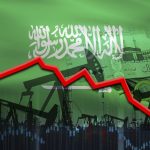
Recent media reporting showed that markets have reacted nervously to sudden tariff announcements or diplomatic reversals, with short term volatility in currency and commodity markets following major policy shifts. Business leaders in the United States have offered mixed reviews. Some praise the administration for prioritizing American economic interests directly in trade negotiations. Others warn that unpredictability discourages long term investment planning, since companies struggle to model risk when policy can change quickly.
What This Means Going Forward
The central question is not whether Trump has business interests. Every modern president has held some financial stake in the world beyond politics. The real question is whether those interests have been separated clearly enough from the decisions of government.
Legal experts note that the United States has weaker conflict of interest laws for a sitting president compared to many other democracies. Presidents are not required to place assets in a blind trust, unlike some senior officials in other countries. This leaves interpretation largely in the hands of voters, courts and Congress rather than a strict legal firewall.
Some historians argue this is not new territory. American presidents have long mixed personal networks with statecraft, from family businesses to donor relationships. What differs now, according to several policy analysts, is the visibility and international scale of Trump’s holdings, which places daily media and diplomatic scrutiny on decisions that might otherwise pass unnoticed.
There is no clear evidence that specific foreign policy decisions have been made solely to benefit private business ventures. At the same time, there is also no independent mechanism confirming they have not. This gap between suspicion and proof is likely to remain a persistent feature of political debate throughout Trump’s term.
For the international community, the practical impact may matter more than the ethical debate. Allies are adjusting expectations, hedging strategies and building redundancy into their diplomatic and economic relationships. Whether or not personal business interests influence Washington’s choices, unpredictability itself has become something governments must plan around.
The wider chaos often associated with Trump’s diplomacy may reflect deliberate strategy, a genuine restructuring of decades old assumptions, or unintended turbulence from a governing style built on speed and leverage. Most likely, it is some combination of all three.
What is clear is that global diplomacy has entered a period defined less by predictable rules and more by negotiation, pressure and personal relationships. Whether history judges this era as a bold recalibration or a dangerous erosion of institutional norms will depend on outcomes still unfolding, not on the intentions claimed today.