


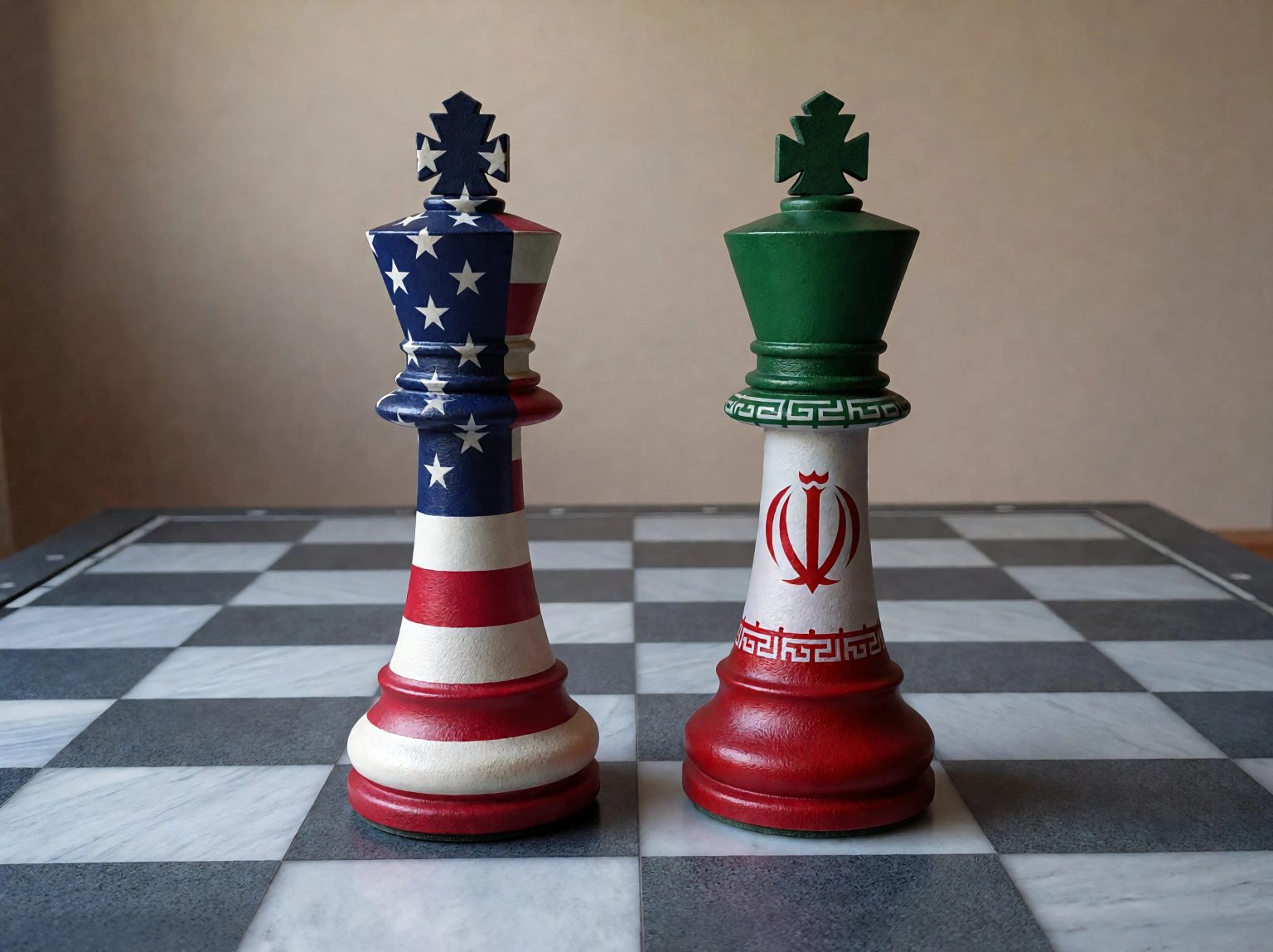


The prospect of a new agreement between the United States and Iran has once again placed the Middle East at the center of global diplomacy. Yet any breakthrough between Washington and Tehran extends far beyond the nuclear file. It touches the balance of power in the Persian Gulf, the security of global energy supplies through the Strait of Hormuz, the future of Iran’s ballistic missile capabilities, and the ongoing shadow war between Israel and Tehran’s regional proxy network. Whether the emerging deal represents a genuine strategic reset or merely a temporary pause in decades of confrontation will depend on its ability to address these interconnected security dilemmas—issues that continue to shape not only regional stability but the broader geopolitical competition between the West, Iran, and their respective allies.
The emerging U.S.–Iran diplomatic track signals not a resolution of conflict, but the management of escalation risk after a prolonged period of economic and strategic disruption. The fact that both sides are speaking of “near agreement” while simultaneously denying confirmed terms suggests a controlled ambiguity—designed to stabilize markets, reduce immediate military pressure, and preserve negotiating leverage.
Trump’s own hesitation (“not 100% certain”) is politically significant. It reflects an environment where diplomatic signaling is being used as a tool of economic stabilization, particularly in relation to oil markets that remain extremely sensitive to even partial disruption of the Strait of Hormuz.
The key strategic dynamic is that neither Washington nor Tehran is yet willing to lock itself into a binding political commitment, indicating that this phase is less about peace settlement and more about de-escalation management under pressure.
Strait of Hormuz as Strategic Chokepoint Diplomacy
The center of gravity in this negotiation is not nuclear policy at this stage, but maritime control. The Strait of Hormuz functions as a global energy valve, and its partial closure has already demonstrated its leverage effect on inflation, shipping costs, and global growth expectations.
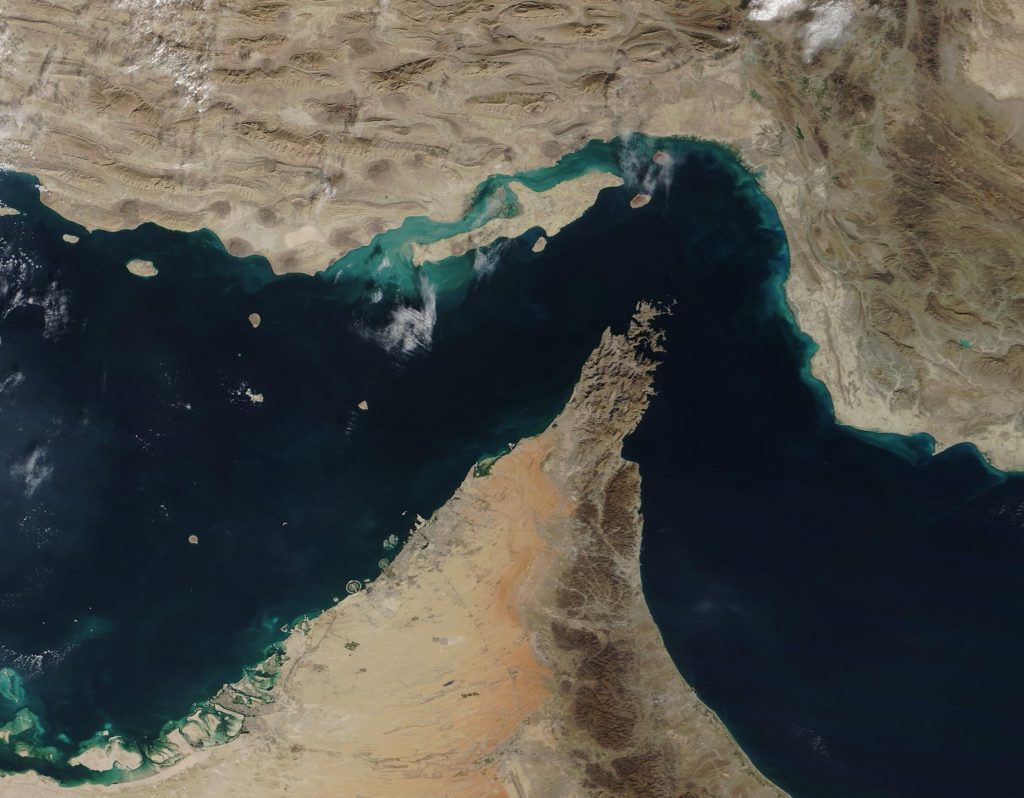
Iran’s signaling is deliberately contradictory: official media suggests reopening within a defined timeframe, while state-linked outlets insist Tehran has not relinquished sovereign control. This dual messaging serves two purposes:
- Internally, it preserves the narrative of resistance and sovereignty
- Externally, it creates uncertainty that enhances Iran’s bargaining position
From a strategic perspective, Iran is not “ending” its leverage over Hormuz—it is repositioning it from active disruption to latent coercion. Even the promise of reopening is itself a geopolitical instrument.
The U.S. position, meanwhile, appears to be shifting from direct containment to negotiated normalization of maritime flow, but without conceding long-term strategic freedom of action to Tehran.
Iran’s Nuclear Program as the Core Structural Fault Line
Iran’s nuclear program remains the deepest and least flexible contradiction within the entire negotiation framework, precisely because it sits at the intersection of strategic deterrence, regime security, and regional power projection. Unlike maritime access or ceasefire arrangements, this issue cannot be reduced to a temporary management mechanism, as it directly shapes the long-term military balance between Iran, Israel, and the United States. The 2025 strikes by the U.S. and Israel did not eliminate Iran’s nuclear capability but instead reinforced its perception that nuclear ambiguity is a necessary shield against external coercion. Tehran’s continued insistence that its program is peaceful is therefore less a reflection of technical transparency than a strategic narrative designed to preserve international legitimacy while maintaining enrichment capabilities that bring it close to weapons-grade thresholds. This dual-track approach—formal denial paired with incremental technological advancement—ensures that the nuclear question remains permanently unresolved, making it the most likely point at which any broader diplomatic understanding could eventually fracture.
The U.S.–Iran nuclear negotiations continue to circle the same structural impasse that has defined the dispute since Washington exited the original deal: the United States seeks permanent dismantlement of enrichment capacity, while Iran treats enrichment as a non-negotiable element of sovereignty and deterrence. The current draft MOU attempts to bridge this gap through a 15–20 year suspension framework and commitments to further talks on stockpile removal, but it effectively postpones the most sensitive decisions rather than resolving them.
Verification remains the central uncertainty, particularly after the 2025 strikes and Iran’s reported dispersion of advanced centrifuge capabilities into smaller, harder-to-monitor facilities. As a result, even if political commitments are made, the durability of any agreement will depend less on formal pledges and more on whether inspection mechanisms can realistically constrain a program that Tehran has both the incentive and technical capacity to preserve in latent form.
Iran’s Proxy Network as the Unresolved Regional Battlefield
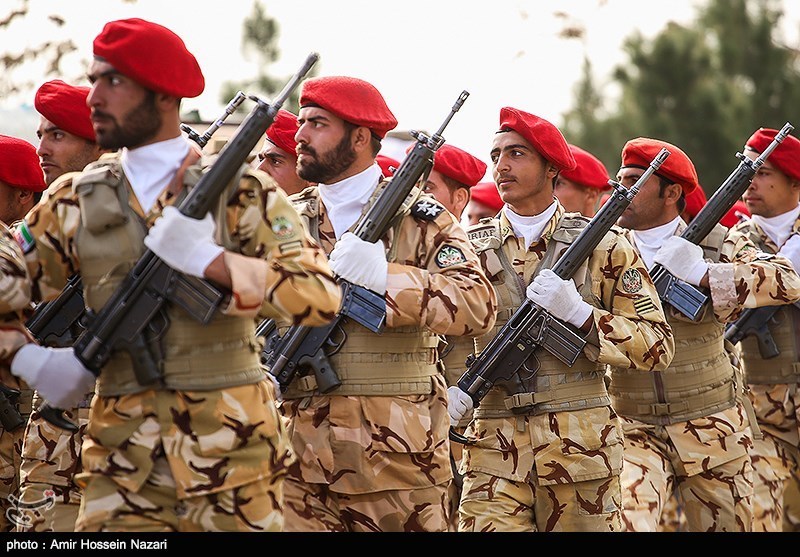
Iran’s network of regional proxies remains one of the most destabilizing and politically sensitive dimensions of the U.S.–Iran confrontation, precisely because it transforms what might otherwise be a bilateral negotiation into a multi-front regional system of conflict. Groups such as Hezbollah and the Houthis operate as strategic extensions of Iranian influence, allowing Tehran to project pressure on Israel and Western-aligned interests while maintaining plausible deniability.
Recent escalations following October 7, including cross-border strikes involving Lebanon and missile attacks from Yemen, illustrate how quickly these actors can convert diplomatic crises into active military pressure points. The draft U.S.–Iran understanding reportedly seeks to freeze this entire ecosystem through a broad cessation of hostilities and a commitment by Tehran to halt funding to armed groups, but Iran has historically treated its proxy architecture as a core pillar of deterrence, making such commitments politically and strategically sensitive. At the same time, Iran’s selective willingness to reduce tensions in specific theaters, particularly in Lebanon, reflects a calculated effort to preserve Hezbollah as a strategic asset while avoiding full regional isolation. Israel’s continued military posture in southern Lebanon and its coordination with Washington further underscores that, even if an agreement is reached, the proxy arena will remain the most immediate and volatile test of whether de-escalation can be sustained beyond paper commitments.
Missile Capability as Iran’s Hard Security Red Line
Iran’s ballistic missile program represents one of the most rigid structural obstacles in the U.S.–Iran negotiations, largely because it is framed in Tehran’s strategic doctrine as a non-negotiable pillar of national defense rather than a bargaining chip in diplomatic exchanges. Unlike the nuclear file, which is at least partially managed through ambiguity and phased commitments, Iran has consistently elevated its missile capabilities into the category of sovereign deterrence, with senior officials explicitly rejecting any external limits. This position creates a fundamental asymmetry in the talks: while Washington and its allies, particularly Israel, view missile range and precision as central to regional stability and escalation control, Iran treats these systems as essential compensation for conventional military inferiority and external pressure. The exclusion of missiles from Iran’s reported counter-proposal underscores this divide, signaling that Tehran is willing to negotiate within the nuclear and economic domains but is structurally resistant to extending concessions into its conventional deterrence architecture. As a result, the missile issue functions less as a discrete negotiating track and more as a potential veto point capable of collapsing any broader agreement if external actors insist on its inclusion.
Sanctions, Compensation, and the Political Economy of Concessions
The financial dimension of the U.S.–Iran negotiations has evolved into a parallel battleground where competing narratives of loss, compensation, and sequencing shape the viability of any agreement. Tehran’s framing of war damage claims and its demand for reparations reflect not only economic pressure but also an attempt to translate military confrontation into legal-political leverage. Washington, by contrast, rejects any reparations logic but appears open to calibrated economic incentives through phased sanctions relief and limited access to frozen assets, effectively shifting the dispute from compensation to conditional liquidity.
The core tension lies in sequencing: Iran seeks immediate economic relief at the moment of political signature to demonstrate domestic victory and stabilize a high-inflation wartime economy, while the United States insists that financial normalization must follow verifiable compliance rather than precede it. This divergence turns the timing of asset releases into a strategic instrument rather than a technical detail, with each side using economic flow control to shape the other’s behavior during implementation.
At the same time, the Lebanon front continues to function as both leverage and constraint within the broader negotiation. Iran’s linkage of regional de-escalation to sanctions relief highlights how interconnected the files have become, while Israel’s ongoing military objectives against Hezbollah operate independently of the diplomatic track, effectively placing Washington in a position where its negotiating commitments may not fully translate into battlefield restraint. As a result, even if a financial framework is agreed, its durability will depend on whether economic concessions, regional ceasefires, and proxy containment can be synchronized in practice—something that has repeatedly failed in previous negotiation cycles.