




Iraq’s new push against corruption and armed groups is turning Baghdad into the next major battleground over Iran’s influence in the Middle East.
The strategic landscape of the Middle East is shifting rapidly as Iraq emerges as the decisive front line in the international effort to roll back the regional network of Iran. Following an intense military conflict earlier this year and the subsequent signing of the Islamabad Memorandum of Understanding, the traditional proxy network of Tehran has been severely destabilised.
With the collapse of the allied regime in Syria and the structural weakening of Hezbollah in Lebanon, the Iranian leadership has been forced to fall back heavily on its positions in Baghdad to preserve its remaining strategic footprint. The sudden and bold domestic counteroffensive launched by the new Iraqi government threatens to sever this final lifeline, introducing a critical turning point that could fundamentally alter the balance of power across the entire region.
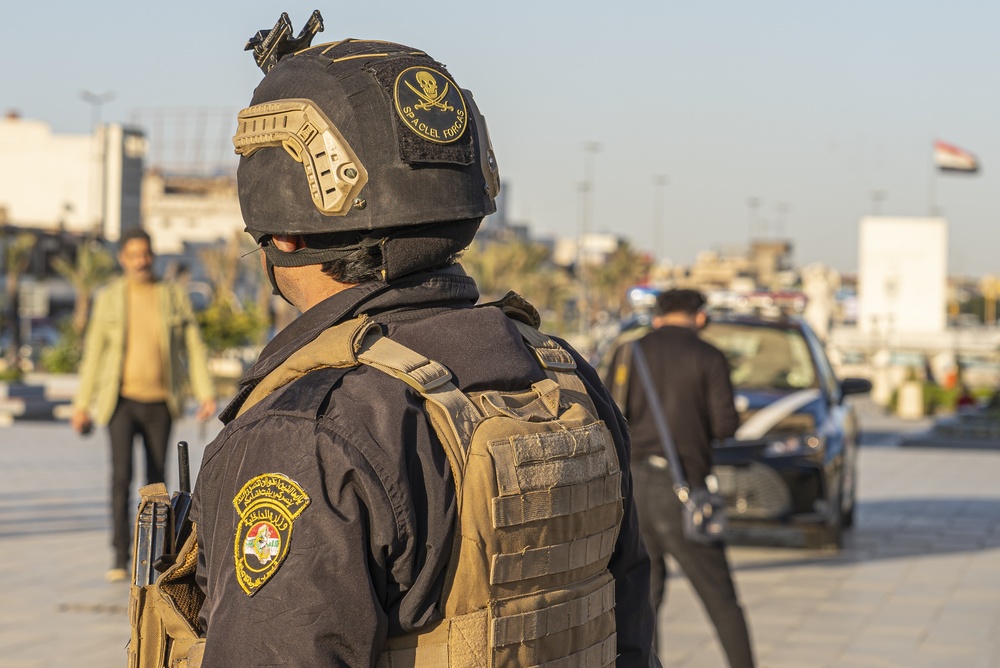
According to media reports, the opening salvo of this domestic push occurred during the early hours of June 28, when Prime Minister Ali Al Zaidi ordered elite units of the Counter Terrorism Service to launch a sweeping tactical mission codenamed Operation Dawn Strike.
While the public face of the campaign focuses on eradicating systemic embezzlement of public funds, a highly classified parallel track aims to sever the structural links between state institutions and the Islamic Revolutionary Guard Corps.
The raids resulted in the high-profile detention of dozens of senior officials and the seizure of millions of dollars in illicit cash. Security analysts suggest that the arrests of senior figureheads within the Oil Ministry, including prominent deputy ministers, represent the real prize of the operation because these individuals are accused of facilitating the illicit blending and smuggling of Iranian crude under commercial Iraqi cover to bypass Western sanctions.
This aggressive domestic crackdown coincides with an unprecedented legislative ultimatum issued to all autonomous armed factions operating within the borders of the state. Military planners increasingly believe that the survival of a sovereign Iraq depends entirely on the complete disarmament of paramilitary groups that have historically operated outside central government control. Recent assessments indicate that the administration of Al Zaidi has given these heavily armed pro-Iran militias until September 30 to fully dissolve and surrender their weapon stockpiles to state authorities.
This high-stakes deadline has been deliberately timed to match the formal conclusion of the Western-led anti-jihadist coalition mission, turning the scheduled withdrawal of foreign forces into a powerful lever for total state sovereignty.
The sudden assertiveness of the young prime minister has generated intense geopolitical ripples between Washington and Tehran. The current American administration has strongly backed the measures of Al Zaidi, linking the resumption of vital financial transfers and international banking oversight to the implementation of concrete steps against illicit financial networks. In contrast, the response from Tehran has been noticeably subdued as the Iranian leadership grapples with its own internal political transitions and the erosion of its broader regional axis.
Western officials argue that the strategy of isolating the economic fronts of the militias is highly effective because it starves these militant groups of the resources required to maintain their local patronage networks and purchase advanced weapons systems.
However, this rapid consolidation of state power carries immense domestic security risks that could plunge the country back into violent factional infighting. Regional observers note that many of these armed groups are deeply intertwined throughout the parliament, ministries, and security apparatus of the nation, making any attempt at forced disarmament highly volatile.
Decision makers warn that the ruling political coalitions are already expressing deep anxieties over the unilateral nature of the recent special forces’ raids, creating political friction that could fracture the government before the prime minister travels to Washington for high-level talks in mid-July.
The research community believes that if these powerful factions choose to resist the autumn deadline by force, the country could face an acute security crisis that tests the absolute limits of its regular armed forces.
Looking forward, the coming months will determine whether the bold strategy of Baghdad can successfully dismantle the proxy architecture of its neighbour or if the state will be forced to compromise to preserve a fragile domestic peace. The critical factor to watch will be the degree of institutional resilience displayed by the regular military forces as the September disarmament deadline approaches.
The international community must watch closely to see if the United States can maintain its economic and diplomatic leverage to shield the new Iraqi leadership from cross-border retaliation, or if the deeply entrenched networks of the Islamic Revolutionary Guard Corps will succeed in subverting the reforms from within to maintain their decisive grip on the state.