


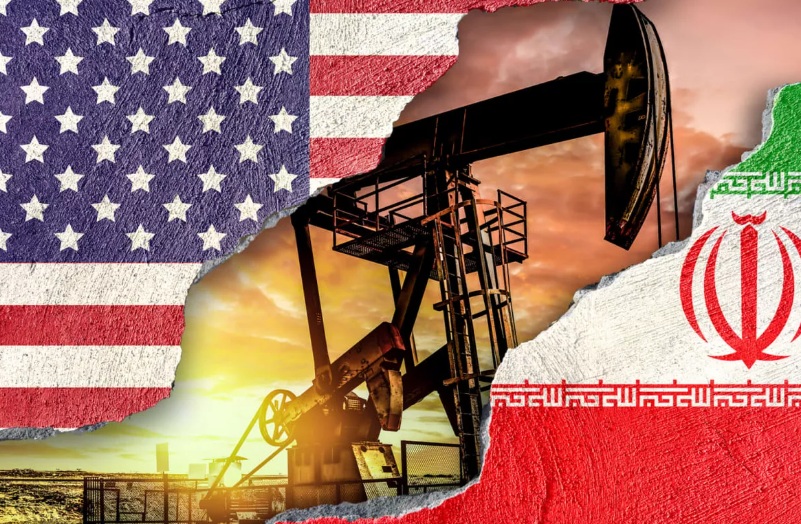


Frozen assets, oil revenues and a proposed $300 billion investment fund have become the economic foundation of a fragile diplomatic breakthrough between Washington and Tehran.
For years, sanctions were Washington’s weapon of choice against Iran. Today, they are being repurposed as a bargaining chip.
As the United States and Iran move toward what could become the most significant diplomatic agreement in years, the debate is no longer focused solely on nuclear enrichment, regional militias or military deterrence. Increasingly, it revolves around money: frozen Iranian assets, renewed oil exports, sanctions relief and an ambitious $300 billion investment fund that supporters see as a pathway to stability and critics view as a high-risk geopolitical wager.
At the center of the emerging agreement is a simple calculation. Washington hopes economic incentives can secure long-term concessions from Tehran, while Iran seeks access to capital that could help revive an economy weakened by years of sanctions, isolation and conflict. Whether money can succeed where decades of pressure have struggled remains the central question.
The most eye-catching element of the proposed framework is a $300 billion Reconstruction and Development Fund. According to Reuters, the fund is designed as a private investment vehicle rather than a government aid package or war reparations program. More than half of the financing has reportedly already been committed, though the mechanism will only become operational if a final agreement is signed. The fund would target sectors including energy, transportation, logistics, manufacturing and infrastructure.
The structure of the fund is particularly notable. Unlike traditional reconstruction initiatives, it would not be financed by governments. Instead, companies and investors from the United States, Gulf Arab states, Asia, South America and Africa are expected to provide the capital. Reports indicate that investors from countries including Saudi Arabia, the United Arab Emirates, Qatar, Japan, South Korea, Singapore and Malaysia could play significant roles, although no official country-by-country breakdown has been released.
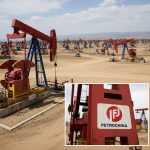
For Tehran, the attraction is obvious. Iran possesses some of the world’s largest oil and gas reserves, a population exceeding 90 million people and significant industrial potential. Yet years of sanctions and political uncertainty have discouraged foreign investment. Supporters of the plan argue that unlocking international capital could generate growth far beyond what sanctions relief alone can achieve.
However, the investment fund represents only one part of a much larger financial package.
Negotiators are also attempting to resolve the long-running dispute over frozen Iranian assets held abroad. Estimates vary, but Western officials and analysts frequently place the total value at more than $100 billion. These funds consist largely of oil revenues, foreign exchange reserves and state assets restricted by sanctions. Iranian officials have pushed for immediate access to portions of the money, while Washington has insisted that any release be tied to Iranian compliance with future commitments.
This disagreement illustrates the trust deficit that continues to shape the negotiations. Tehran argues that economic benefits must arrive early to demonstrate the value of diplomacy. Washington, meanwhile, remains reluctant to surrender one of its strongest sources of leverage before securing concrete concessions. Reuters has reported that various compromise mechanisms, including escrow accounts and phased releases, are being considered.
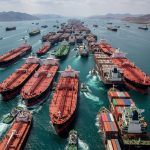
The proposed framework would also allow Iran to resume large-scale oil exports through sanctions waivers. That provision could provide Tehran with immediate revenue while broader negotiations continue. Markets have already reacted to the prospect of additional Iranian crude reaching global supply chains, highlighting how developments in Tehran can influence economies far beyond the Middle East.
Yet the economic promises carry considerable political risks.
Critics in Washington argue that releasing assets and facilitating investment before securing irreversible concessions could weaken American leverage. Others question whether international investors will ultimately commit capital on the scale envisioned, particularly given the legal, political and financial uncertainties surrounding Iran. Previous efforts to normalize economic relations with Tehran have often encountered resistance from banks and corporations concerned about future sanctions or geopolitical instability.
Supporters of engagement see the issue differently. They argue that without meaningful economic incentives, Iran would have little reason to compromise. In their view, investment and sanctions relief are not rewards but tools designed to create conditions for a more durable settlement. Economic integration, they contend, could provide stronger incentives for stability than military pressure alone.
The broader significance of the negotiations may ultimately extend beyond Iran itself. The proposed agreement represents a test of whether economic statecraft can still reshape geopolitical relationships in an increasingly fragmented world. For decades, sanctions have been used primarily as instruments of punishment. Washington is now attempting to transform them into incentives for cooperation.
Whether that strategy succeeds remains uncertain. The frozen assets remain largely inaccessible, the investment fund exists only on paper, and many of the most difficult political questions have yet to be resolved. But one reality is already clear: the future of U.S.-Iran relations may depend less on missiles and military deployments than on who controls the billions waiting on the other side of a diplomatic breakthrough.