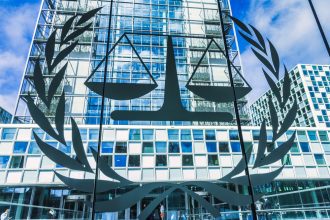




The final proceedings linked to the UN tribunals for Rwanda and the former Yugoslavia have come to an end, closing more than three decades of international judicial work.
The legacy is significant. Those tribunals helped establish modern war-crimes prosecution, convicted senior perpetrators and shaped the legal foundations later associated with the International Criminal Court.
But the final case also exposed the limits of international justice. Félicien Kabuga, accused of financing the Rwandan genocide, died before facing full trial after years of delay and legal complications.
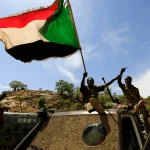
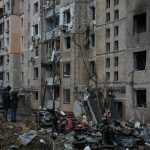
The conclusion is uncomfortable but necessary: international justice has become more sophisticated, but not always more effective. For today’s conflicts like Ukraine, Sudan, Gaza and beyond, the problem remains the same. Evidence may be abundant but the enforcement is still political and very slow.