


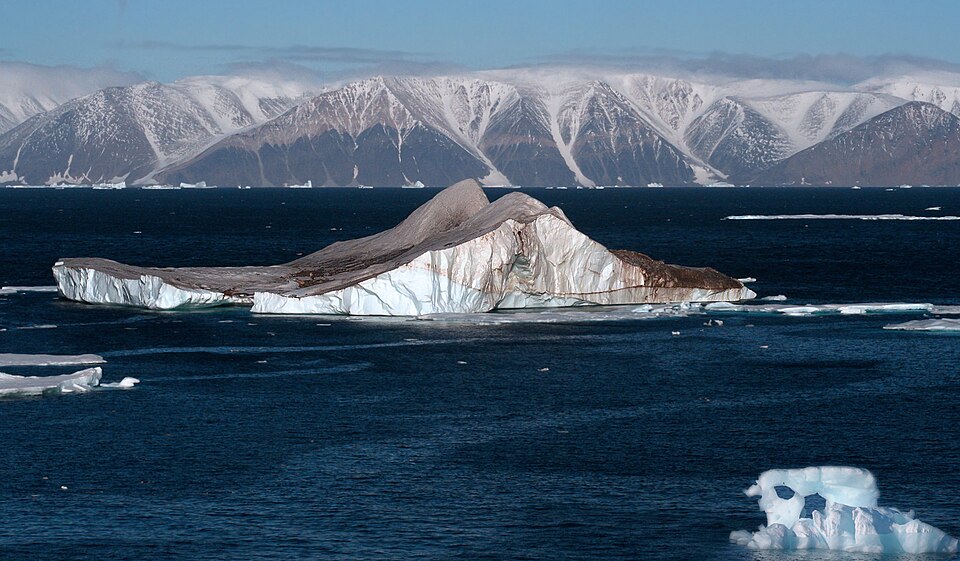
The Arctic is rapidly transforming from a peripheral environmental and shipping issue into one of the most strategically sensitive regions in the emerging global security order.
For decades, the High North was largely viewed through the lens of climate science, fisheries, energy exploration and limited geopolitical cooperation. Even during periods of tension between Russia and the West, the Arctic remained relatively insulated from broader military confrontation.
That era is ending.
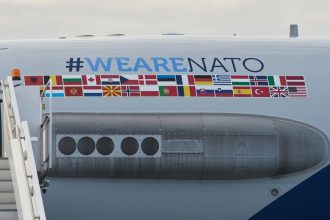
NATO’s latest Arctic security assessments increasingly describe the region as a critical strategic theater where military deterrence, resource competition and great-power rivalry are beginning to converge simultaneously.
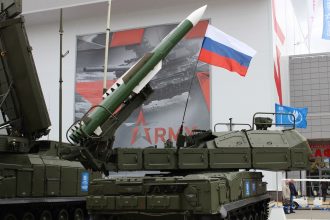
Russia remains the central military actor in the Arctic. Moscow has reopened Soviet-era bases, expanded Arctic airfields, modernized submarine infrastructure and intensified military patrols across the Barents Sea and Northern Fleet regions. The Arctic is particularly important for Russia because it hosts a substantial portion of the country’s nuclear deterrent capabilities, especially ballistic missile submarines operating from the Kola Peninsula.
For the Kremlin, Arctic militarization is about securing strategic depth and preserving second-strike nuclear capability – one of the core foundations of Russian military doctrine.
The accession of Finland and Sweden to NATO has fundamentally altered the alliance’s northern geography. The Baltic and Arctic theaters are becoming more interconnected, while Norway, Iceland and Greenland are gaining greater strategic importance inside NATO planning.
At the same time, China’s growing Arctic presence is adding a second layer of geopolitical complexity. Beijing officially describes itself as a “near-Arctic state” and has steadily expanded investments in Arctic research, shipping routes, critical minerals and dual-use infrastructure projects.
The Arctic therefore reflects a larger transformation occurring across the international system: regions once considered geographically remote are becoming strategically central because climate change, technology and geopolitical fragmentation are redrawing the map of global competition.
The danger is not necessarily imminent military conflict in the High North. The greater risk is gradual normalization of military competition in a region that historically functioned through limited cooperation and strategic restraint.