



By saying the Houthis are basically Iran now, Washington quietly erased the one rule that kept a small conflict from turning into a much bigger one. Now two major shipping routes are under threat, and Congress’s objection came a day too late
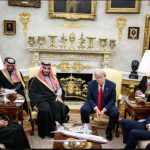
Two of the world’s most important shipping routes are now in danger at the same time, and it all comes down to one decision made in Washington. President Trump said the US will now treat any Houthi attack as if Iran itself did it, breaking away from the old rule that kept Iran separate from the groups it backs, according to a media report. This means Iran can now get hit back by the US military even for an attack it did not carry out itself, one launched instead by a group in Yemen, thousands of kilometres away. Experts say this makes it far more likely that what started as a fight over ships in the sea could turn into a full war between the US and Iran, fought on several fronts at once.
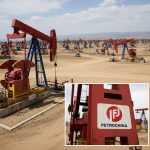
This is not just talk. Trump promised “major military punishment” against Iran after Houthi missiles and drones hit two Saudi oil tankers in the Red Sea. His government said clearly that Iran will be blamed for these attacks, since the Houthis are seen as an Iranian-backed group, according to a media report. The fighting has now spread beyond the Strait of Hormuz into another key route, the Bab el-Mandeb Strait. Oil prices jumped straight past 100 dollars a barrel within hours of the news.
A second major shipping route is now in danger
Until recently, most of the worry was about one place, the Strait of Hormuz. That is no longer true. The Houthis have said they are now blocking Saudi ships from passing through the Bab el-Mandeb Strait, a route that carries about 10 to 12 per cent of all shipping trade in the entire world, according to a media report. Experts say even if the Houthis cannot actually shut the route down completely, just the threat of it is enough to scare shipping companies and shake up energy markets. A ceasefire deal between Saudi Arabia and the Houthis from 2022, one of the last things keeping this from getting worse, has now completely broken down.
What is happening now is that two of the world’s most important sea routes are being threatened at the same time. The US keeps bombing targets inside Iran, Iran keeps striking back across the Gulf, and separately, the Houthis keep hitting Saudi oil tankers in the Red Sea, according to a media report. Experts warn that if both of these key routes get disrupted at once, it could seriously damage the flow of oil and goods around the entire world.
Countries that never wanted this war are getting pulled in
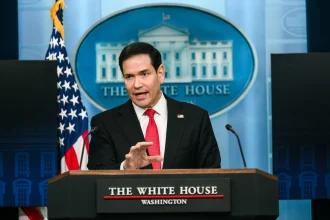
This war is no longer just about Iran, the US and Yemen. Iran has already struck back at American military bases in Kuwait, and Jordan has had to shoot down missiles and drones flying through its own skies, according to a media report. US Secretary of State Marco Rubio warned Iran directly that any more attacks would come with “a very heavy price,” making it clear the US now sees Houthi attacks as simply another part of Iran’s overall campaign, not something separate anymore.
This kind of attack, groups backed by Iran hitting Saudi oil and shipping targets, has actually happened many times before over the years. A government report looked back and found repeated drone strikes on Saudi oil sites, attacks on airports and pipelines, and ongoing tension around the Strait of Hormuz stretching back a long time, according to a Congressional Research Service report. What is new here is not the type of attack. It is that Washington is now choosing to respond as if Iran itself pulled the trigger, no matter who actually did it.
Congress tried to stop it, but was too slow
This shift did get noticed in Washington. The House of Representatives voted 214 to 208 in favour of a resolution demanding an end to unauthorised US military action against Iran, according to a media report. This vote does not actually force Trump to stop anything; it is more of a formal complaint than a real limit. But the timing said a lot. It happened just hours after Trump threatened more military action against Iran over the tanker attacks. Several Republican lawmakers even crossed over to vote with the Democrats, showing that discomfort with how fast this war is growing goes beyond just one political party, even if the vote itself changes nothing right now.
That gap, lawmakers voting against a war that has clearly grown bigger than what was first approved, while the White House keeps moving ahead anyway, is really the heart of the problem. Congress is raising its objection after Washington already redrew the rules about who counts as an enemy, and after two of the world’s biggest shipping routes were already in danger at the same time.
What makes Trump’s move so serious is not just tougher words. It removes something that used to work like a safety wall between Iran and everyone else, the idea that groups backed by Iran could act on their own, and be punished on their own, without automatically dragging Iran itself into direct war with the US every single time. That safety wall is now gone. Every future Houthi attack, no matter how big or small, now carries the risk of triggering direct American strikes against Iran, a country that is already being bombed by the US.
That is really what “widening the war” means here. It is not just more attacks, or higher gas prices, even though both of those are already happening. It is the removal of the one thing that used to stop a smaller regional fight from turning into a full war between two countries, happening at the exact moment two of the world’s most important shipping routes are both in danger, with Congress’s objection arriving, by its own admission, one step too late to actually matter.