


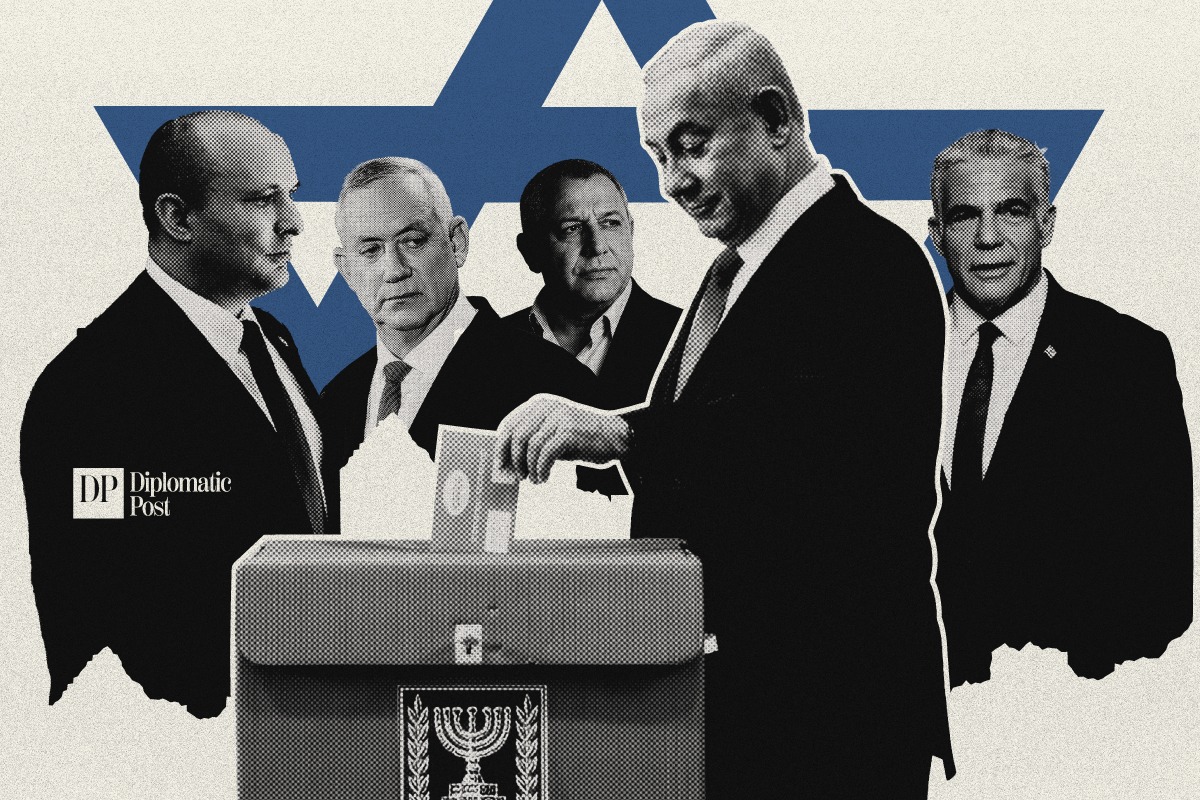
After 33 months of war bought him time, an inconclusive fight with Iran and a rupture with Washington have left Israel’s longest-serving leader facing the vote he’s spent years postponing
Israelis must head to the polls by October 27, and the prime minister they’ll be judging is in genuine political trouble for the first time since October 2023. When Hamas broke out of Gaza that month and killed hundreds of Israelis, most of them civilians, Benjamin Netanyahu looked politically finished, responsible for what has been called the worst intelligence and security failure in the history of the Jewish state. Instead, he promised total victory in wars of retribution against Hamas, Hezbollah, and their backers in Iran, and for 33 months, the demands of wartime held together an unruly coalition dominated by hard-right and religious parties, according to a media report. That protection is now running out.
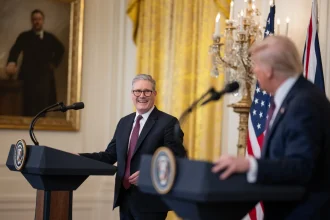
An inconclusive war with Iran, a failure to decisively defeat either Hamas or Hezbollah, and a serious falling out with Washington, Israel’s essential benefactor, have left Netanyahu genuinely exposed heading into this election. President Donald Trump has criticised Netanyahu directly for insubordination, pointing to his failure to fully support an Iran peace deal that Trump urgently wants, according to a media report. Separately, some Democrats and numerous world leaders have accused Netanyahu and Israeli forces of war crimes, allegations Israel denies, according to a UN report on the matter.
Why the war can no longer save him
The central issue in this election will be Netanyahu’s failure to deliver the clear military victories and restored sense of security he promised Israelis after October 7. That failure exists alongside older, unresolved grievances that predate the war entirely. Millions of Israelis still remember the corruption charges hanging over Netanyahu, along with his push to weaken Israel’s Supreme Court, the very issues that had roiled the country’s politics before Hamas’s attack put them on hold.
Secular and centrist Israelis carry additional resentment toward Netanyahu’s deep political dependence on ultra-Orthodox voters, a bloc that contributes relatively little to the national economy and largely refuses military service, a sensitive issue in a country now fighting on multiple fronts. Age and health add another layer of doubt. Netanyahu, now 76, has dealt with both prostate cancer and heart disease, leading some voters to question whether he remains fit to serve at all.
A fractured opposition may be his best remaining asset
Despite all of this, Israel’s longest-serving prime minister still has a genuine path back to power, largely because his opposition may prove unable to govern even if it wins. Former Prime Minister Naftali Bennett and Knesset opposition leader Yair Lapid have both lost ground in recent weeks to a new party led by former IDF Chief of Staff Gadi Eisenkot, who has gained real credibility in part because his son and nephew were killed fighting Hamas in Gaza, according to a media report.
If Bennett, Lapid and Eisenkot combined forces, they could likely form the next government without much difficulty. The problem is that both Bennett and Eisenkot want to lead that government themselves, and both believe they can win outright. A fractured opposition that beats Netanyahu at the ballot box but cannot agree on who takes charge afterwards may end up being Netanyahu’s clearest path to survival, giving him an opening to negotiate a coalition deal, most plausibly with Blue and White party leader Benny Gantz, to remain in power regardless of the formal vote count.
What actually changes if he loses
In the near term, this election is unlikely to meaningfully affect Israel’s economy, which continues to benefit from a strong technology sector and war-related production, according to a media report on the war’s economic toll. Markets and the currency remain stable, and unemployment stays low, partly because a significant share of the workforce is currently serving in the military rather than seeking civilian jobs.
A government without Netanyahu would likely find a considerably warmer reception in Europe, reducing the risk of sanctions tied to Israeli conduct in Gaza, and could help slow the departure of liberal Israelis increasingly anxious about the country’s direction and growing international isolation. An opposition victory would not weaken Israel’s determination to work with Lebanon’s government toward disarming Hezbollah, either. Any Israeli government, regardless of who leads it, is expected to pursue a partial Israeli withdrawal from southern Lebanon while insisting on the right to strike back against future Hezbollah threats. A Netanyahu defeat would make West Bank annexation considerably less likely, though no one should expect serious movement toward Palestinian statehood under any realistic outcome.
Iran is where the real divide lies
The sharpest difference between another Netanyahu term and an opposition government lies in how each would approach a battered but newly emboldened government in Tehran. A new prime minister genuinely eager to repair the relationship with Washington would be considerably less likely than Netanyahu to launch major new strikes inside Iran. Limited attacks and covert operations would likely remain on the table, but the emphasis would shift toward preparing for a possible future conflict rather than actively prosecuting the current one.
That distinction may end up mattering more than any other policy difference on the ballot. This election is, at its core, likely to become a referendum on Netanyahu himself, on whether the promises of total victory he made in the aftermath of October 7 were ever realistic, and on whether Israelis are ready to move past the leader who has defined the country’s response to that day. The war bought him 33 months of political cover. That cover is almost gone, and the reckoning he has spent years postponing is now, finally, close to arriving at the ballot box.