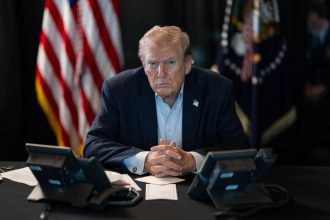
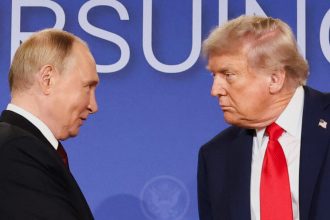
As Washington pursues a diplomatic opening with Tehran, emerging differences with Israel highlight a broader shift in U.S. regional strategy and the limits of alliance politics
For decades, Washington and Jerusalem have presented a largely unified front on Iran, viewing Tehran’s nuclear ambitions and regional influence as a shared strategic challenge. Yet diplomacy often exposes differences that military cooperation can temporarily conceal. Recent tensions surrounding negotiations between the United States and Iran illustrate a more fundamental question confronting policymakers: can Washington simultaneously pursue regional de-escalation while preserving Israel’s long-standing doctrine of maximum pressure against the Islamic Republic?
The answer carries implications far beyond bilateral relations. It affects energy markets, Gulf security, nuclear non-proliferation, regional normalization efforts, and the future credibility of American diplomacy across the Middle East.
At the center of the debate lies a familiar strategic dilemma. American administrations frequently seek to reduce military commitments in the region while preventing escalation that could threaten global commerce and economic stability. Israeli governments, by contrast, often view diplomatic engagement with Iran through the prism of existential security concerns, fearing that negotiations merely buy Tehran additional time to consolidate its military and nuclear capabilities.
The apparent divergence reflects not simply personality differences between political leaders but structural differences in national priorities.
For Washington, prolonged confrontation with Iran risks distracting resources from broader strategic competition with China and Russia. A stable Persian Gulf remains essential to global energy flows even as the United States has become less dependent on imported Middle Eastern oil. European allies, Asian energy consumers, and global financial markets all retain enormous exposure to disruptions in Gulf shipping lanes, making regional stability an international economic priority rather than a purely regional issue. Recent diplomatic initiatives seeking to reopen maritime trade routes and reduce tensions reflect those broader economic calculations.
Israel approaches the problem differently. Successive governments have argued that any agreement leaving Iran with significant enrichment capacity or regional proxy networks ultimately postpones rather than resolves the underlying security challenge. From Jerusalem’s perspective, sanctions relief or diplomatic normalization could strengthen Iran economically while preserving elements of its strategic deterrence.
These competing calculations increasingly complicate alliance management.
Unlike previous periods when disagreements remained largely behind closed doors, today’s geopolitical environment magnifies every policy divergence. Social media diplomacy, coalition politics, domestic elections, and global media scrutiny make it more difficult for governments to contain disputes privately.
The result is not necessarily a strategic rupture but a more transactional relationship in which Washington increasingly weighs global priorities alongside traditional alliance commitments.
This evolution reflects broader trends in American foreign policy. Successive administrations have attempted—often unsuccessfully—to reduce direct military engagement in the Middle East while encouraging regional partners to assume greater responsibility for security. Whether through normalization agreements, integrated air defense initiatives, or diplomatic engagement, the objective has been to prevent crises from demanding continuous U.S. intervention.
Iran negotiations therefore represent more than another nuclear discussion. They serve as a test case for whether diplomacy can substitute for military deterrence in managing regional rivalries.
Economic considerations reinforce these incentives. Any disruption in Gulf shipping routes rapidly affects oil prices, insurance costs, inflation expectations, and global financial markets. Even countries geographically distant from the conflict experience higher energy costs and supply-chain disruptions when instability threatens maritime commerce. Financial markets have repeatedly reacted positively to signs of de-escalation while remaining sensitive to uncertainty surrounding implementation of diplomatic agreements.
Yet diplomacy carries political risks. Hardliners in Israel fear negotiations may weaken international pressure before Iran makes irreversible concessions on its nuclear program. Conversely, Iranian conservatives remain skeptical of Western commitments following years of sanctions and failed agreements, limiting Tehran’s room for compromise. Reports surrounding recent negotiations suggest significant questions remain unresolved despite political declarations of progress.
Regional actors are also recalibrating. Gulf monarchies increasingly prioritize economic diversification and regional stability over perpetual confrontation. Saudi Arabia, Qatar, the United Arab Emirates, and Oman all possess incentives to avoid another prolonged regional conflict that could undermine investment strategies and domestic modernization agendas. Their growing diplomatic activism reflects this changing calculus.
Europe likewise has strong incentives to support diplomatic engagement. The continent continues to grapple with energy security challenges while confronting geopolitical competition on multiple fronts. Another prolonged Middle Eastern crisis would complicate inflation management, industrial competitiveness, and political stability at a sensitive economic moment.
Meanwhile, China and Russia observe developments through their own strategic lenses. Beijing benefits from uninterrupted energy imports while expanding its diplomatic role across the Global South. Moscow may see opportunities to exploit divisions among Western partners while simultaneously maintaining ties with Tehran. Both powers stand to gain influence if Washington appears unable to reconcile its regional objectives with alliance expectations.
The coming months are therefore likely to center less on formal agreements than on implementation. Verification mechanisms, sanctions relief, maritime security arrangements, and nuclear inspections will determine whether diplomatic momentum survives inevitable political challenges.
Several scenarios remain plausible. The optimistic outcome would involve gradual confidence-building measures leading to sustained negotiations and reduced regional tensions. A more likely scenario involves partial implementation punctuated by periodic crises and renewed bargaining. The most dangerous possibility would see diplomatic collapse followed by renewed military escalation, risking broader regional confrontation and renewed disruptions to global energy markets.
For policymakers, the lesson extends beyond Iran itself. Modern alliances increasingly require managing divergent strategic priorities rather than assuming automatic policy alignment. Shared interests no longer guarantee identical approaches to risk management, diplomacy, or deterrence.
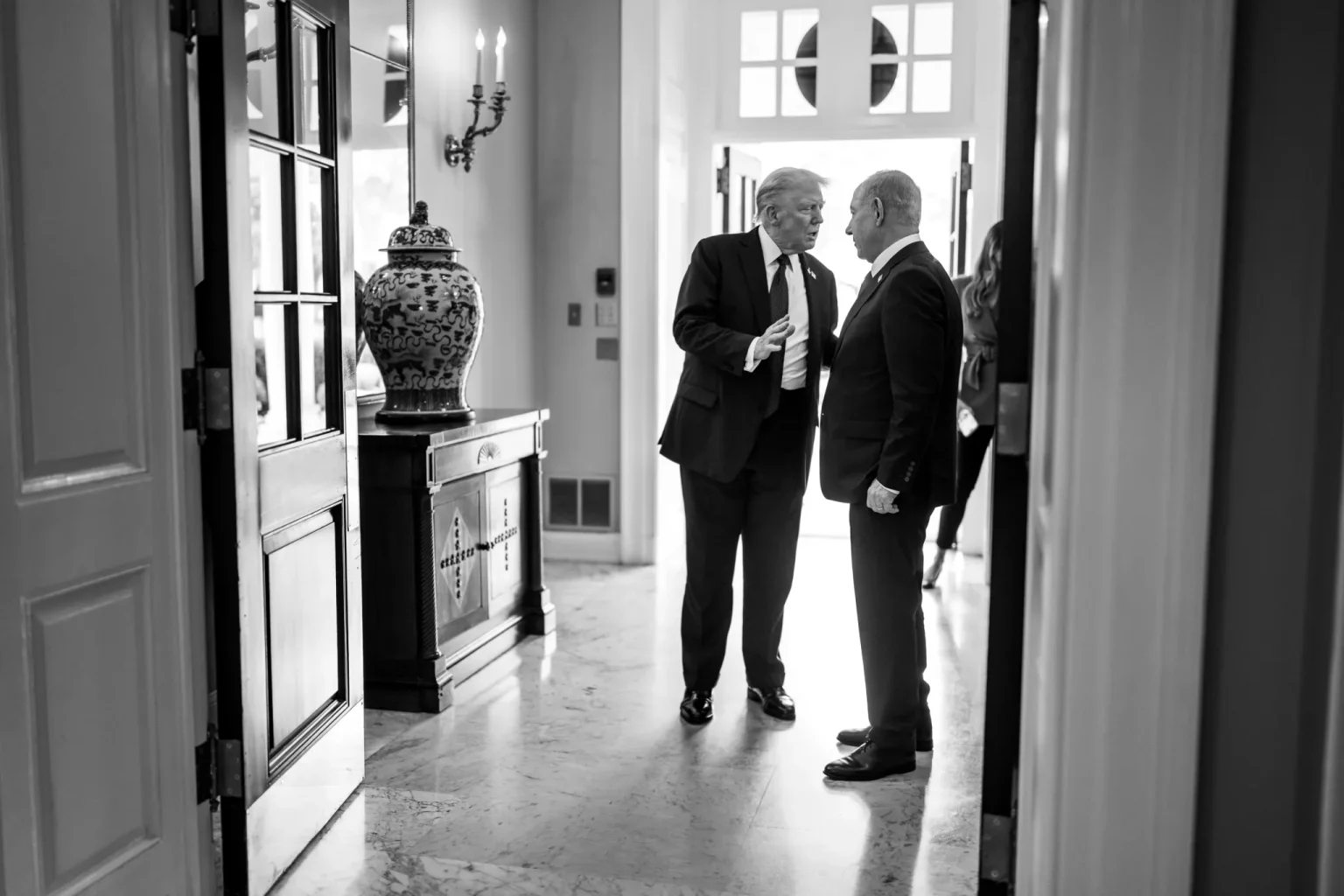
Tensions have surged to historic highs between President Trump and Prime Minister Netanyahu regarding the mechanisms required to terminate the 15-week war. While the Trump administration moves swiftly to implement the memorandum of understanding—authorizing the reopening of critical maritime corridors—Israel’s security cabinet has flatly rejected the ceasefire’s application to fronts like Lebanon. This fundamental disagreement over the geopolitical endgame underscores a bitter reality: the greatest threat to the newly minted U.S.-Iran accord may not come from hardliners in Tehran, but from the deep misalignment between the United States and its closest regional ally.
Ultimately, emerging differences between Washington and Jerusalem reveal an important transformation in Middle Eastern geopolitics. The central question is no longer simply whether Iran can be contained, but whether regional security can increasingly be managed through diplomacy backed by deterrence rather than deterrence backed by war. How the United States balances those competing approaches may shape the strategic architecture of the Middle East for years to come.