





The British government has announced plans to prohibit children under the age of 16 from accessing major social media platforms, marking one of the most far-reaching efforts by a European country to regulate young people’s online activity.
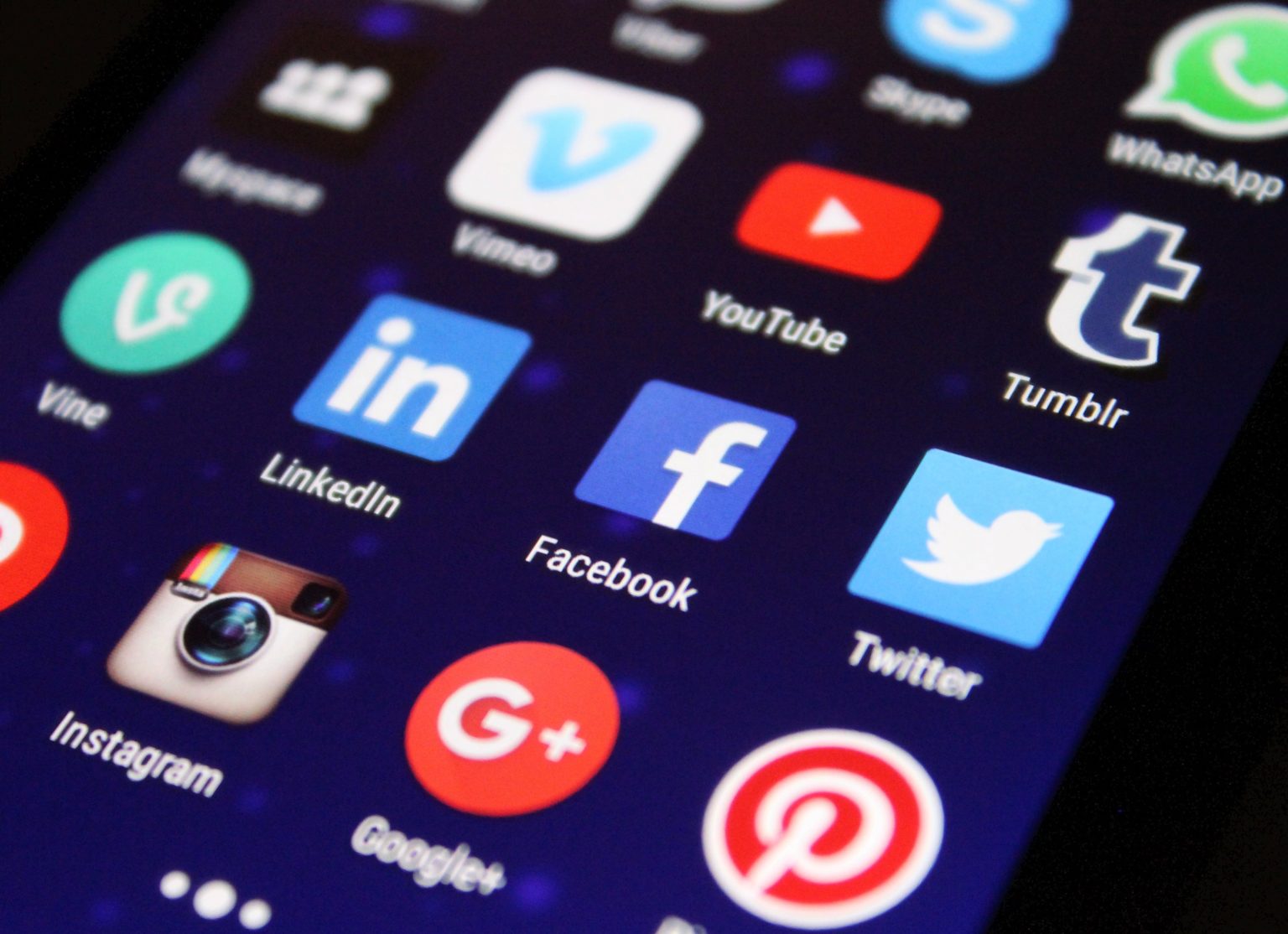
Prime Minister Keir Starmer unveiled the proposal on Monday, arguing that the measure is necessary to protect children from harmful content, cyberbullying and addictive digital platforms. The restrictions are expected to cover services including TikTok, Instagram, Facebook, Snapchat, YouTube and X, while messaging applications such as WhatsApp will remain exempt under the current plans.
The government intends to introduce legislation before the end of the year, with the ban expected to take effect in 2027 after new age-verification systems and enforcement mechanisms are put in place. Regulators, rather than children themselves, will focus enforcement efforts on technology companies that fail to prevent underage users from accessing their platforms.
Officials say the policy is part of a broader strategy aimed at improving children’s online safety and mental health. Alongside the social media restrictions, the government is considering additional measures including tighter controls on livestreaming services, limits on contact with strangers in online games and potential restrictions on features such as infinite scrolling for younger users.
The announcement places the United Kingdom among a growing number of countries seeking stricter regulation of children’s digital lives. Australia has already implemented similar restrictions, while several European governments are debating comparable measures amid increasing concerns over the impact of social media on young people’s wellbeing.
Technology companies have criticized the proposal, arguing that blanket bans could drive teenagers toward less regulated online spaces while limiting access to platforms that already include parental controls and safety features. Industry representatives have also questioned how effective age-verification systems can be without creating new privacy concerns.
Supporters of the ban, including child safety advocates and many parents, argue that stronger action is needed after years of rising concerns over online abuse, harmful algorithms and excessive screen time. Government consultation data indicated overwhelming public backing for raising the minimum age for social media access to 16.
The proposal is expected to spark further debate over the balance between protecting children online, safeguarding digital rights and defining the responsibilities of major technology companies as governments around the world increase scrutiny of social media platforms.