


The Strait of Hormuz Is Still Shut, Still Under Fire, and Now Up for a Business Pitch
President Trump said Monday the United States would start charging wealthy nations to guard the Strait of Hormuz, days after floating the idea of the American military simply taking over the waterway outright. We’ll become the guardian of the strait, Trump told the media, adding that Washington had been protecting the passage for nothing for years and now intends to be paid a lot of money for putting our people in danger.
The offer comes at an odd moment to describe the strait as calm enough to monetise. Iranian state television reported Monday that Iran had fired warning shots at two vessels in the waterway, and Tehran separately declared the strait closed to unauthorised traffic after what it called an unauthorised vessel was struck days earlier. US Central Command has disputed that Iran controls the passage at all, insisting traffic continues to flow and that the country’s own forces retain freedom of navigation rights through the corridor regardless of what Tehran announces.
The ceasefire that keeps collapsing and reviving
The current flare-up traces back to a ceasefire Trump signed with Iran on June 17, an agreement he described at the time as an unconditional surrender by the Islamic Republic. That truce has proven fragile ever since. On July 7, the United States launched strikes against more than eighty targets inside Iran and reimposed oil sanctions, retaliation for a series of Iranian attacks on commercial shipping near the strait.
Iran’s top military command responded by promising what it called a crushing response to what it termed American aggression, while the Revolutionary Guard claimed a joint navy and air operation had targeted American facilities at a port in Bahrain and an air base in Kuwait. New explosions were reported on Qeshm Island, part of Iran’s coastal defences near the strait, an area American forces have already struck multiple times this year.
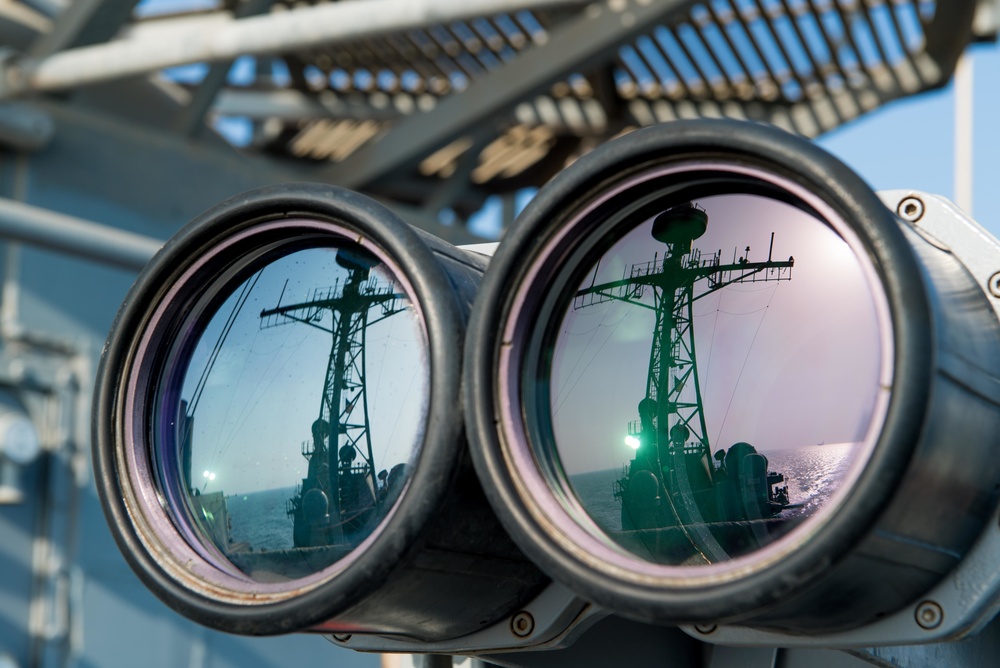
This is not the first time the administration has floated using American naval power to control the passage rather than simply protect it. Back in April, after ceasefire talks in Islamabad collapsed, Trump ordered a full naval blockade of ships travelling to or from Iranian ports, an operation Central Command said involved more than ten thousand American personnel, over a dozen warships, and dozens of aircraft within its first day.
The Pentagon estimated the blockade cost Iran close to five billion dollars in lost oil revenue within about two weeks, while Trump separately claimed a figure of five hundred million dollars a day. No vessel attempted to break through, and six commercial ships turned back voluntarily rather than risk the standoff.
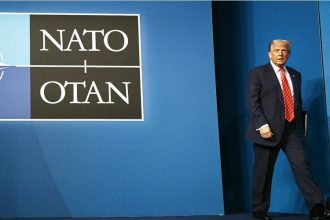
Trump has repeatedly floated an even more direct option, taking over Kharg Island, Iran’s main oil and gas export terminal, an idea he raised again at the NATO summit in Ankara earlier this month alongside the possibility of reimposing the naval blockade entirely.
An administration official described the current ceasefire arrangement as entirely performance-based, meaning Iran only keeps the benefits of the deal if it exhibits what officials called good behaviour, a standard that leaves Washington considerable room to escalate whenever it judges Tehran has stepped out of line.
Why the toll booth idea is not entirely new either
Iran itself experimented with a version of Trump’s now proposed fee system earlier this year, briefly charging vessels up to two million dollars each to pass through the strait during the period it kept the passage restricted, while granting exceptions to ships flagged to China, Russia, India, Iraq, Pakistan, the Philippines, Malaysia, and Thailand.
That Iranian toll scheme collapsed once the current cycle of strikes and countersuits resumed, but it left behind the same basic idea Trump is now proposing to apply from the American side of the ledger instead.
Roughly a fifth of the world’s oil and a large share of its liquefied natural gas pass through Hormuz, giving any actor capable of controlling the waterway enormous leverage over global energy prices.
Analysts tracking the standoff note that Gulf oil-producing states, the very wealthy nations Trump is targeting for reimbursement, have the clearest financial incentive to pay for reliable naval protection, since a prolonged closure or slowdown directly threatens their own export revenue and, by extension, the budgets of governments across the region.
Central Command’s public position, that traffic through the strait is flowing and that Iran does not actually control passage, sits directly against Iran’s own declaration that the waterway remains closed to unauthorised vessels. Both statements cannot be fully accurate at once, and the reported firing of warning shots at two ships on Monday suggests the practical reality on the water remains far less settled than either government’s public messaging admits.
Strip away the competing claims from Washington and Tehran, and a narrow set of facts holds. The ceasefire signed on June 17 has already been declared over once by Trump and struck multiple times since. Iranian and American forces have exchanged fire near the strait as recently as this week, and no formal reimbursement arrangement for American naval protection has been announced, only a stated intention to pursue one.
Whether Gulf states agree to pay for a guardian role Washington has performed for free for decades, and whether the strait Trump wants to charge for using stays open long enough to collect on it, remain the two questions this week’s statements have raised but not answered.