



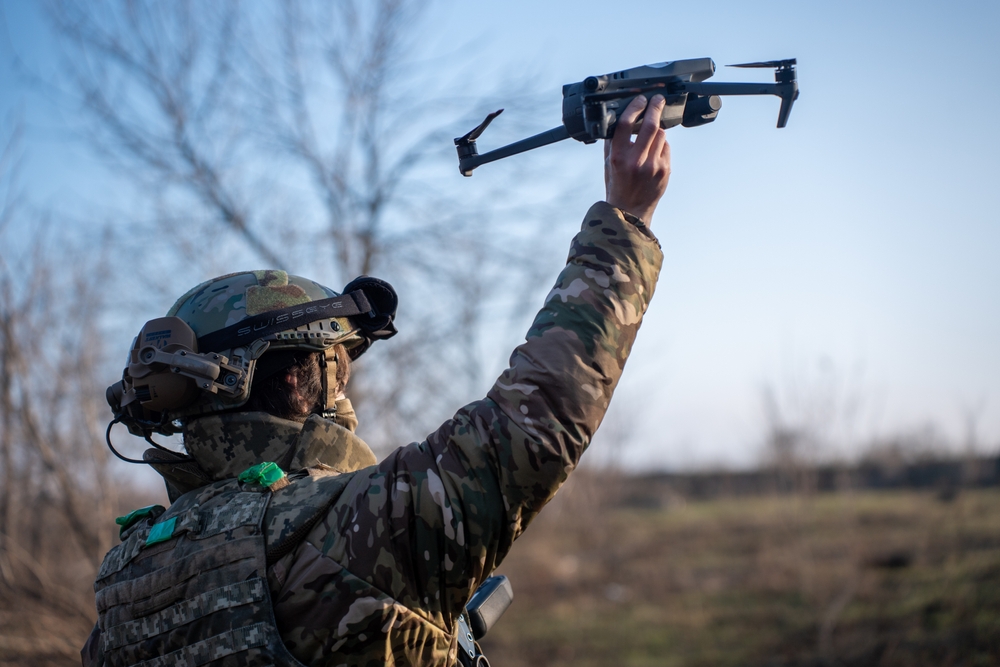
Kyiv’s plan to produce millions of unmanned systems highlights how modern warfare is being reshaped by speed, scale and industrial innovation.
What is emerging from Ukraine’s battlefield experience is a fundamental change in how wars are fought. Kyiv’s ambition to produce around five million drones in 2026 reflects a new model of military production where inexpensive unmanned systems can be deployed in enormous numbers to influence battles, gather intelligence and strike enemy forces. NATO allies are watching closely as Ukraine demonstrates how rapidly technology can transform warfare.
According to media reports, Ukrainian military officials have urged NATO countries to study the country’s drone production system, arguing that the ability to manufacture large quantities of affordable unmanned aircraft has become a decisive advantage. The announcement highlights how Ukraine has moved from being a consumer of foreign military aid to becoming one of the world’s leading innovators in battlefield drone technology.
The transformation has been driven by necessity. Since Russia’s full-scale invasion in 2022, both sides have used drones extensively for reconnaissance, artillery coordination and direct attacks. Small unmanned aircraft have allowed forces to monitor enemy positions, identify targets and strike vehicles or equipment at a fraction of the cost of traditional weapons.
Recent assessments indicate that drones have become one of the most important tools in the war. Commercially available systems, modified civilian drones and purpose-built military platforms are now operating across the front line. Security analysts suggest that the widespread use of these systems has reduced the advantage previously held by larger and more expensive military platforms.
Ukraine’s approach differs from traditional defence production models. Instead of relying mainly on a small number of highly advanced systems developed over many years, Ukrainian companies and military units have created faster production cycles that allow designs to be improved within months or even weeks. This approach enables rapid adaptation as Russian forces develop new countermeasures.
For NATO, the lessons are significant. Western militaries have historically focused on sophisticated aircraft, missiles and armoured vehicles that require large budgets and long development periods. However, the war in Ukraine has demonstrated that quantity and adaptability can be equally important. Military planners increasingly believe future conflicts will require a combination of advanced weapons and large numbers of affordable autonomous systems.
The industrial challenge is considerable. Producing millions of drones requires secure supply chains, electronics manufacturing, skilled engineers and access to components that are often produced internationally. Decision makers warn that defence industries must become more flexible if they are to respond to conflicts where equipment is consumed at a much faster rate than previous wars.
The impact extends beyond Ukraine. A potential conflict in the Indo Pacific could involve extensive use of drones for surveillance, maritime operations and attacks against military infrastructure. Recent defence assessments suggest that countries capable of producing unmanned systems quickly and at scale could gain a major strategic advantage.
The rapid expansion of drone warfare also creates new security challenges. As drones become cheaper and easier to operate, they can be used by state and non-state actors with limited resources. This increases the importance of electronic warfare, air defence systems and technologies designed to detect and defeat unmanned threats.
Ukraine’s experience is already influencing defence planning across Europe. Several NATO members are increasing investment in drone programmes while examining how to integrate lessons from the battlefield into their own military structures. The shift represents a broader move away from viewing drones as supporting equipment towards recognising them as central elements of modern combat.
The next stage will determine whether Ukraine’s production model can be sustained and whether NATO countries can adapt quickly enough. The future battlefield may belong not only to the country with the most advanced weapons, but to the one that can innovate, manufacture and deploy new technology faster than its opponent.