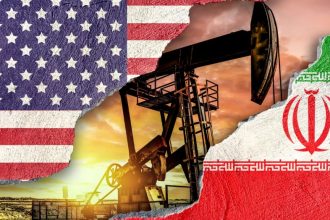



The emerging U.S.–Iran framework is a test of whether Washington can still impose order in the Middle East or whether regional powers now have enough leverage to force America toward compromise.
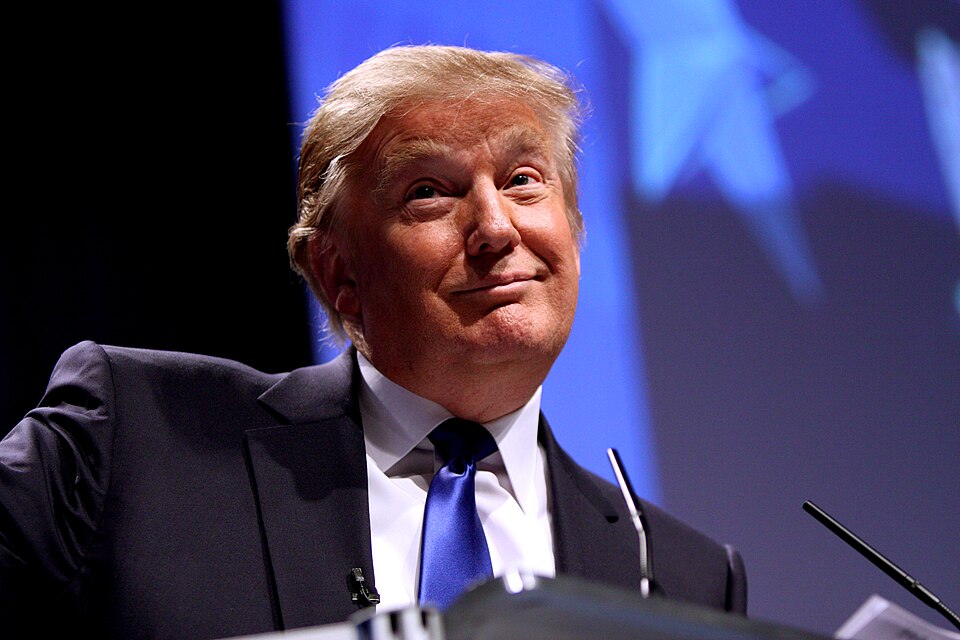
President Donald Trump says the framework of a deal is “largely negotiated,” with talks focused on ending the war, reopening the Strait of Hormuz, and addressing Iran’s stockpile of highly enriched uranium. Markets have already reacted as if de-escalation is possible, with oil prices falling sharply and global shares rising.
But the deeper story is regional. Gulf states, Qatar, Pakistan, Turkey, Egypt and others appear increasingly aligned around one objective: ending a war that has exposed the limits of American protection and threatened the economic security of the entire region.
That matters because the Middle East is no longer simply waiting for Washington to decide. Regional powers are acting collectively, not ideologically, but out of survival logic. They want Hormuz open, oil flowing, cities protected, and escalation contained.
Trump may present the deal as a grand diplomatic victory. But strategically, the agreement may reveal something more uncomfortable: America still matters enormously in the Middle East, but it no longer controls the region alone.