


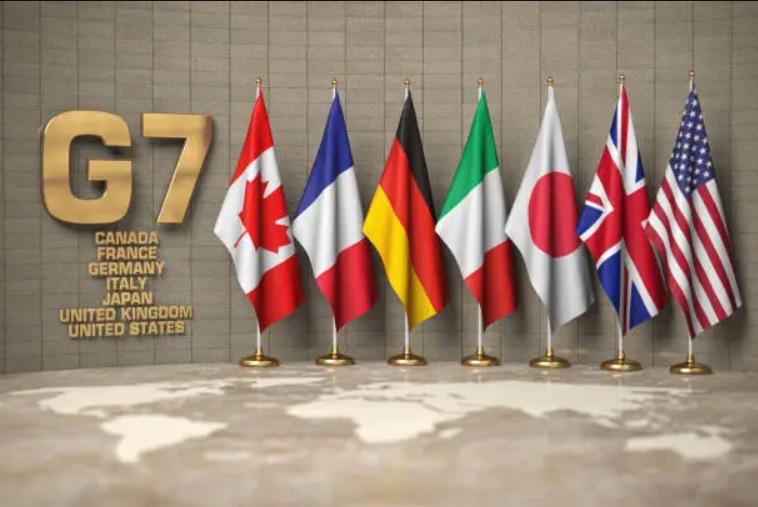
G7 finance ministers are increasingly framing China’s industrial overcapacity as one of the central threats to global economic stability.
The concern is not simply that China exports too much. It is that large Chinese surpluses in strategic sectors, from clean technology to manufactured goods and critical supply chains are reshaping competition across Western economies.
The G7 statement focused on economic imbalances, fragmentation and the need for domestic investment. But beneath the diplomatic language lies a more difficult reality: Western governments want to reduce dependence on China without triggering a full-scale trade war.
The new economic geopolitics is clear: trade policy, industrial policy and national security are no longer separate fields. They are merging into one strategic agenda.
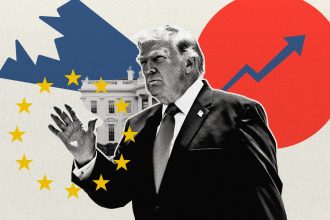
For Europe, the challenge is especially difficult. It depends on Chinese markets, fears Chinese competition, and now faces American pressure to align more closely with Washington’s economic security doctrine.