


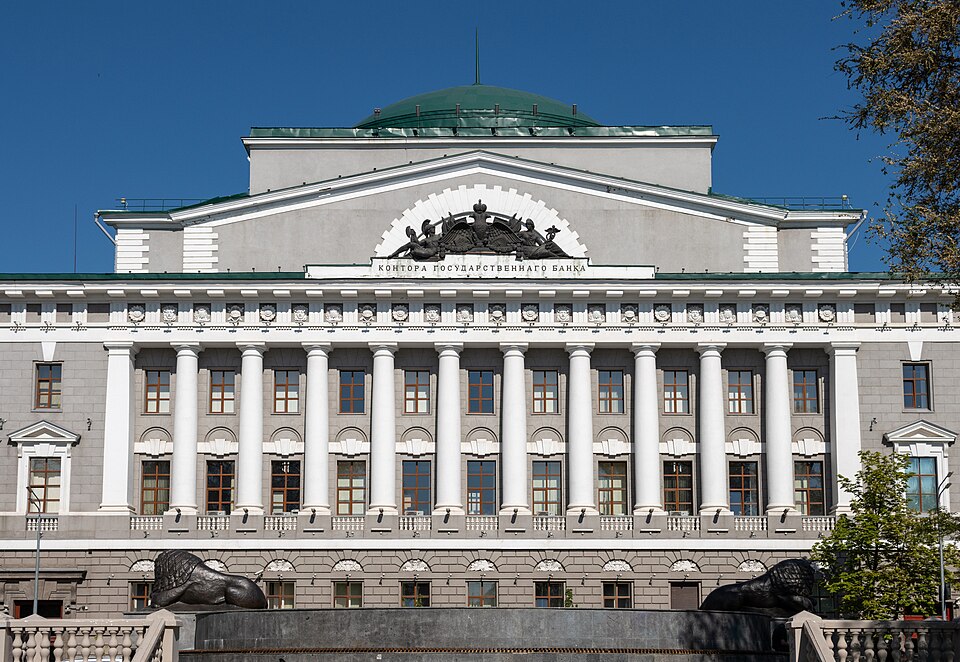
Russia’s central bank has filed a new legal challenge against the European Union over frozen sovereign assets, turning one of Europe’s most powerful Ukraine-financing tools into a major legal confrontation.
The case matters because Europe is no longer only freezing Russian money. It is now trying to use those assets to support Ukraine’s long-term financing needs.
For Brussels, this is a strategic necessity. Ukraine requires sustained budgetary, military and reconstruction support, while Western governments face growing domestic pressure over spending. Frozen Russian assets offer a politically attractive answer: make Moscow help pay for the consequences of its own war.
But the legal risks are real because sovereign assets traditionally enjoy strong protections in international finance. If the EU succeeds, it may establish a precedent with global implications far beyond Russia.
That is why this dispute is becoming more about whether economic sanctions are becoming a permanent instrument of geopolitical enforcement.