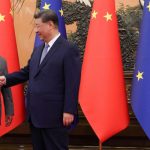



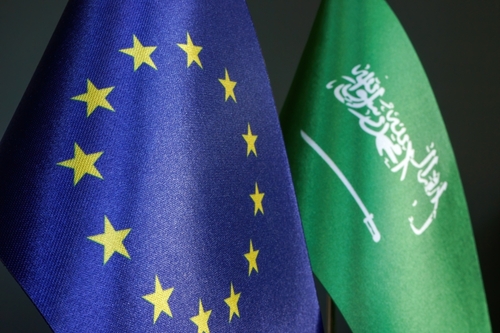


In the complex theater of global diplomacy, the European Union has long prided itself on being the world’s moral arbiter. From imposing strict sanctions on North Korea and condemning China’s human rights abuses in Xinjiang, to the increasingly vocal criticisms and diplomatic pressures directed at Israel, Brussels is rarely shy about wielding its economic and political weight to defend international law.
Yet, when the spotlight turns to the Arabian Peninsula, Europe’s human rights compass suddenly stops working.
A glaring testament to this hypocrisy was recently highlighted by Amnesty International in June 2026. According to the human rights organization, Saudi Arabia has executed almost 100 people this year alone strictly for drug-related offenses. This staggering surge in capital punishment, often carried out following grossly unfair trials, is a blatant violation of international human rights standards, which dictate that the death penalty, if used at all, must be restricted to the “most serious crimes” involving intentional killing.
Despite the rising body count, the reaction from European capitals has been characterized by a deafening silence. There are no summits to discuss sanctions. There are no widespread diplomatic boycotts. The pressing question is: why does Saudi Arabia get an exception?
The Currency of Hypocrisy: Energy and Arms
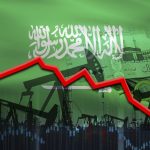
The answer lies in a cold, calculated reality: oil, energy security, and lucrative trade deals. Europe’s double standard is deeply rooted in its enduring reliance on the Gulf for energy stability. Having spent the first half of the 2020s scrambling to decouple from Russian fossil fuels, European nations cannot afford to alienate another global energy giant. Saudi Arabia’s role as the de facto leader of OPEC gives it immense leverage over global energy markets, and by extension, over European economies still vulnerable to inflation and energy crises.
Furthermore, the relationship is propped up by billions of euros in defense contracts and investment opportunities linked to Crown Prince Mohammed bin Salman’s Vision 2030 initiative. For powerful EU member states, the transactional benefits of doing business with Riyadh vastly outweigh the political cost of human rights advocacy. Europe has effectively drawn a line in the sand: human rights are non-negotiable, unless the violator is holding the keys to the energy grid and a blank checkbook.
The Burden Falls on Europe
This calculated appeasement is being exposed at a critical juncture in global history, largely because the world is increasingly looking to Europe for leadership. Why? Because the traditional pillars of the international order are crumbling.
The United Nations has proven chronically paralyzed. Hobbled by Security Council vetoes and deeply entrenched geopolitical divides, the UN frequently fails to act decisively against systemic human rights abusers. It has become a forum for rhetoric rather than action.
Simultaneously, the traditional guarantor of the Western alliance, the United States, is undergoing a radical shift. Under Donald Trump’s administration, the U.S. has doubled down on an “America First,” heavily transactional foreign policy that views human rights advocacy as an unnecessary geopolitical burden. Washington has openly embraced autocratic leaders when it suits American economic or strategic interests, effectively removing the U.S. from its historical, albeit flawed, role as a champion of democratic norms. Consequently, the U.S. itself is increasingly viewed in European capitals as a volatile wildcard, a problem to be managed rather than a partner to be relied upon.
A Hollow Moral High Ground
With the UN broken and the U.S. adrift, human rights advocates are calling on the European Union to step into the void. If Europe genuinely wants to lead the free world, it must apply its principles universally.
By aggressively sanctioning adversaries like China and North Korea while turning a blind eye to the executioners in Riyadh, the EU is weaponizing human rights rather than defending them. This blatant double standard does not go unnoticed by the Global South, which frequently calls out the West’s hypocrisy.
The nearly 100 individuals executed in Saudi Arabia for drug offenses this year are the human cost of this realpolitik. Until Europe decides that the right to a fair trial and the right to life are more important than stable oil prices and arms exports, its condemnations of other nations will remain hollow, and its claim to moral leadership will be nothing more than an illusion.