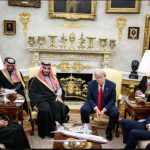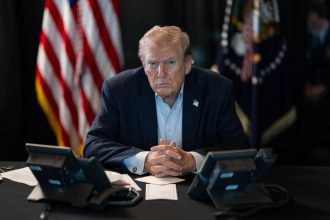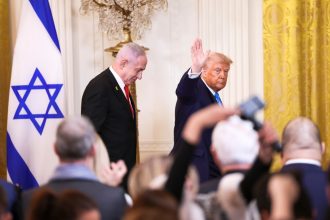



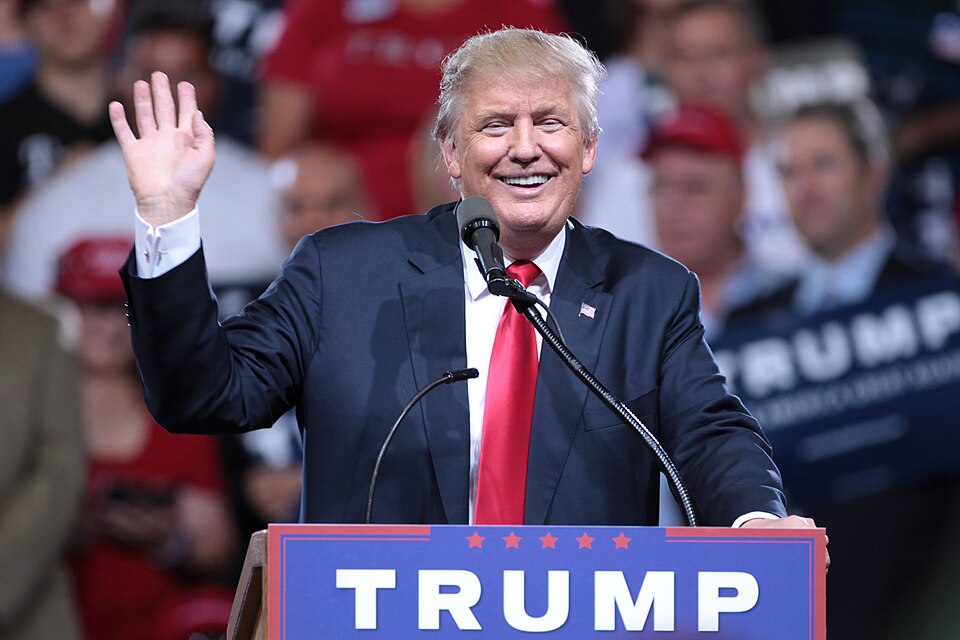
Donald Trump’s second administration is reshaping U.S. diplomacy in ways that extend far beyond any single crisis.
Recent reporting describes a foreign policy system increasingly driven by presidential threats, personal envoys and weakened institutional channels inside the State Department. Allies in Europe and Asia are adjusting by building alternative lines of communication, reducing dependence on formal diplomatic procedures and preparing for more personalized decision-making from Washington.
This does not mean the United States is disappearing from global leadership, but that allies are learning to manage American power differently.
The traditional model of U.S. diplomacy relied on institutional predictability run by embassies, departments, alliances, procedures and long-term strategic commitments. The emerging model is more transactional, more centralized and more volatile.
For allies, the new challenge is not only understanding U.S. policy. It is understanding which part of Washington actually speaks for policy at any given moment.
That uncertainty is becoming one of the defining features of the current international order.