




Moscow’s air defenses are being stress-tested by a new phase of aerial warfare where oil refineries, factories, and strategic infrastructure have become the front line
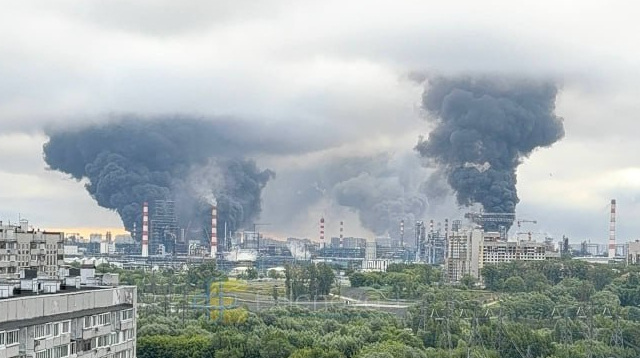
The latest wave of Ukrainian long-range strikes against Russian territory marks a qualitative shift in the war’s operational geography. In a series of coordinated attacks this week, Ukrainian forces hit strategic infrastructure around Moscow including the Kapotnya oil refinery, one of the capital’s most critical fuel hubs, using large-scale drone swarms and domestically developed cruise missiles. The strikes triggered major fires, disrupted airport operations, and temporarily constrained fuel supply chains in the Russian capital region.
🔥🛢️ Ukrainian drones struck the Moscow Oil Refinery today, with a fire currently burning at the facility following the attack.
— Special Kherson Cat 🐈🇺🇦 (@bayraktar_1love) June 16, 2026
It processing capacity is approximately 11.6 million tonnes of petroleum products per year. The facility is estimated to supply around 40% of the fuel… pic.twitter.com/iQlkShInfh
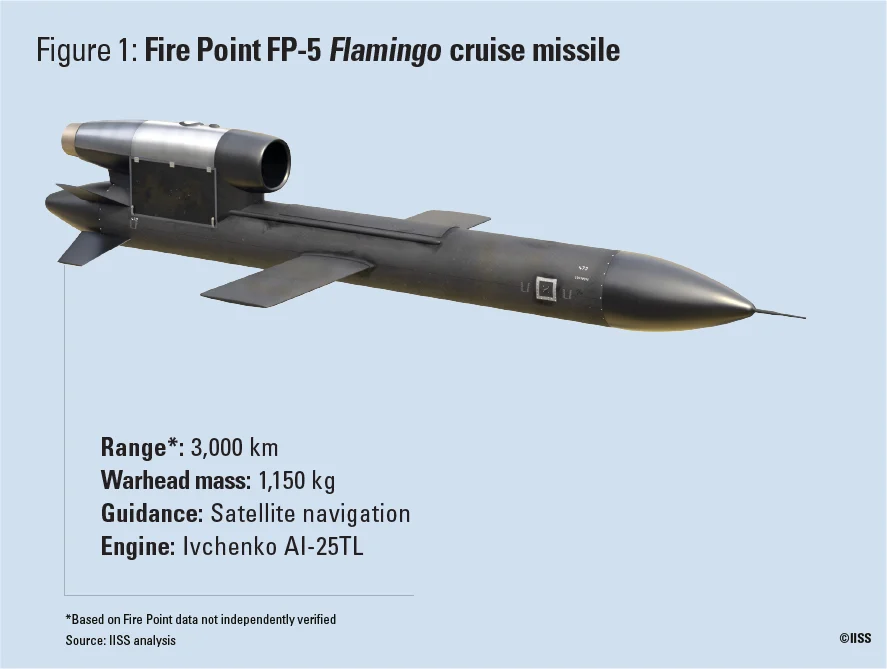
At the centre of this escalation is a growing Ukrainian capability to conduct sustained deep-strike operations at ranges exceeding 1,000 kilometres, including the use of FP-5 “Flamingo” cruise missiles, which have been reported striking military-industrial targets deep inside Russia.
This is no longer a peripheral harassment campaign. It is an emerging strategic layer of the war—one designed not to seize territory, but to degrade the depth, resilience, and coherence of Russia’s war economy. For Moscow, the battlefield is no longer confined to Ukraine. For Kyiv, the war is increasingly about making Russia’s interior functionally vulnerable.
A new operational doctrine: “Deep Strike attrition warfare”
Latest surveillance camera footage that apear in the media and satellite images released following the attack in Moscow appeared to show evidence of a precision hit that caused extensive damage. Ukrainian President Volodymyr Zelenskyy welcomed news of the strike as an indication of Ukraine’s growing capabilities.
“We carried out precise strikes with Flamingo missiles at a range of 1,400 kilometers. I believe this is truly a success for our industry,” he commented.
The attack has helped restore the credibility of Ukraine’s Flamingo missile program, which has been subject to much speculation and significant skepticism since first making headlines last summer. The missiles, developed by Ukrainian defense sector startup Fire Point, generated a considerable amount of initial buzz but failed to make any major impact on the battlefield during the second half of 2025.
The emergence of the Flamingo as a credible threat marks a major upgrade in Ukraine’s long-range strike capabilities. With a reported maximum range of around three thousand kilometers and a payload of over one thousand kilograms, the Flamingo is far more powerful than the drones typically used by Ukraine for strikes inside Russia. While long-range drones have been instrumental in puncturing the myth of Russian invulnerability, their relatively small payloads have meant that damage caused in attacks is often easy to repair. As the recent strike in Votkinsk demonstrated, the Flamingo has the potential to be far more destructive.
Much will now depend on Ukraine’s ability to scale up output and produce enough Flamingos to make a difference. While the February attack on the Votkinsk facility was a success, Ukrainian officials have since confirmed that multiple missiles were required in order for one to hit home. It will therefore be crucial to manufacture entire flocks of Flamingos if the Ukrainians wish to make the most of this new weapon.
The Flamingo initiative is one of a number of Ukrainian missile projects currently under development. Ukraine is pouring millions of dollars into a new domestic “missile market” that aims to replicate the success of its rapidly expanding drone industry. Recently appointed Ukrainian Defense Minister Mykhailo Fedorov has noted that the government is acting like a venture investor by giving large grants to multiple different local companies active in missile production.
Strategic targeting: energy systems as operational chokepoints
Ukraine’s emphasis on the development domestic missile capabilities makes strategic sense. The front lines of the war have remained largely static for over three years, with Russia unable to secure any decisive breakthroughs despite holding the battlefield initiative throughout this period. Kyiv’s current plan is to reduce any further Russian advances to a bare minimum while inflicting crippling losses. In parallel, Ukraine aims to bring Putin’s invasion home to Russia with an escalating campaign of airstrikes using missiles in combination with drones.
Ukrainian commanders are playing a long game by targeting the Russian oil refineries, energy infrastructure, and military production facilities that support the war effort. This approach is designed to gradually erode Moscow’s ability to generate revenues and fund the invasion. Adding missiles to the mix dramatically increases the challenges facing the Kremlin. As Ukraine’s long-range arsenal expands, Russia’s limited air defenses will be stretched thinner and thinner. The end goal is to transform Russia’s vastness from an asset into a liability.
No single weapon can serve as a silver bullet to stop Russia’s invasion. However, the true significance of Ukraine’s domestic missile program lies in its trajectory. If Kyiv can maintain the current pace of innovation while simultaneously reducing costs and scaling production, this will greatly strengthen the country’s position at the negotiating table.
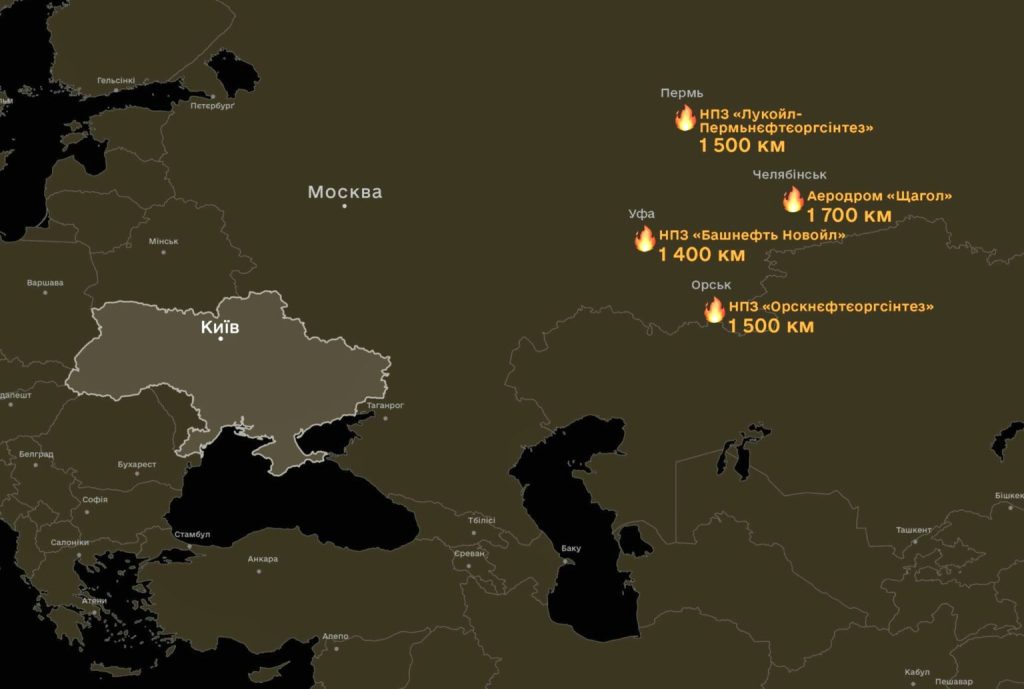
Putin seems to be well aware of the dangers posed by long-range missiles and has worked hard to prevent Kyiv’s partners from supplying Ukraine with these weapons. When Western leaders mulled lifting restrictions on the use of Western missiles against targets inside Russia in late 2024, Putin warned that this would place NATO “at war” and Russia. More recently, he intervened directly when US President Donald Trump appeared to be on the verge of providing Ukraine with Tomahawk missiles.
There is no denying that Putin has been successful in his efforts to deter Kyiv’s allies, but he cannot stop the Ukrainians from producing their own long-range missiles. If this trend continues, it can help establish a framework for a pragmatic settlement. Many in Ukraine believe a strong arsenal of domestically produced long-range missiles can serve as a meaningful deterrent against future Russian aggression. While Ukrainians have little faith in written security guarantees, they see long-range missile capabilities as something Putin simply cannot ignore.