


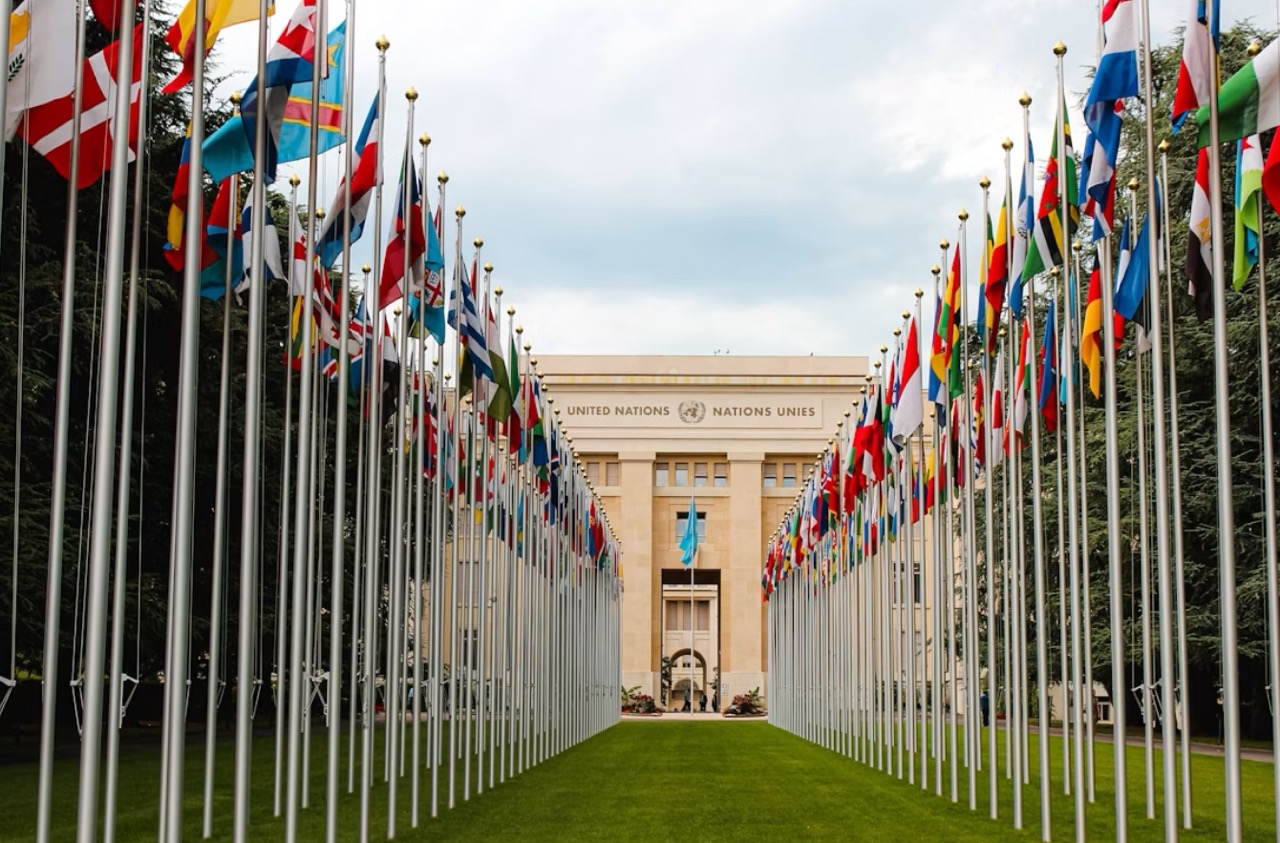
The United Nations is facing a growing credibility crisis as major wars continue expanding with limited international consensus and declining diplomatic effectiveness.
From Gaza to Ukraine and Sudan, the Security Council remains deeply divided, while competing global powers increasingly bypass traditional multilateral mechanisms in favor of ad hoc alliances and regional diplomacy.
The paralysis reflects a deeper transformation in the international order itself. The UN system was largely built around post-1945 assumptions: American leadership, great-power coordination and broad acceptance of international institutional legitimacy.
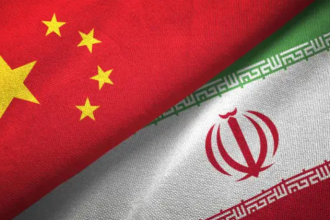
Today, all three are weakening simultaneously. China and Russia increasingly challenge Western diplomatic dominance, while middle powers such as Turkey, Qatar, India, Saudi Arabia and the UAE pursue more autonomous geopolitical strategies outside traditional UN frameworks.
The result is an international environment where multilateral institutions still matter symbolically, but often struggle operationally during major crises.
The danger for the UN is not sudden collapse but a gradual irrelevance.