


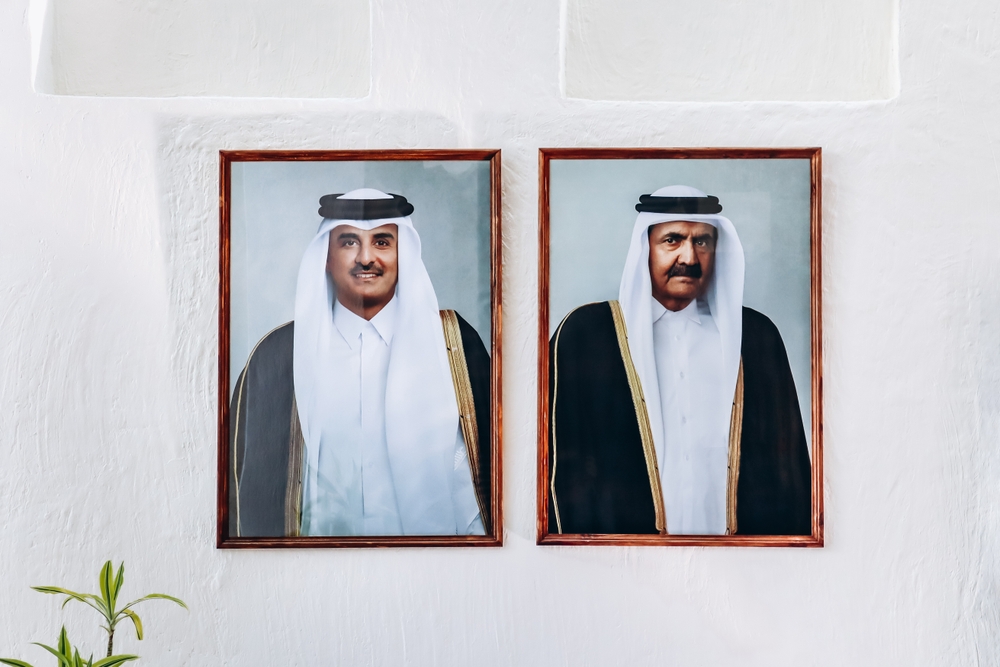
Sheikh Hamad, who passed away aged 74 on Sunday, reshaped Qatar’s economy by building lasting wealth and growth.
When Sheikh Hamad bin Khalifa Al Thani took power in 1995, Qatar was a small Gulf state with enormous natural gas reserves but limited global influence. Three decades later, it had become one of the world’s wealthiest countries, a major energy player, and a diplomatic force far beyond its size.
The transformation was driven by a long-term strategy that placed natural gas at the centre of Qatar’s economic rise while investing heavily in infrastructure, education, finance, and global partnerships.
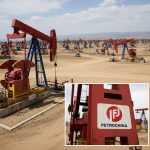
At the heart of Sheikh Hamad’s vision was the decision to turn Qatar’s vast gas reserves into a foundation for national development. Rather than relying only on oil revenues, his government accelerated the expansion of liquefied natural gas (LNG) production, allowing Qatar to become one of the world’s leading energy exporters.
The creation of a globally competitive LNG industry changed Qatar’s economic position. Energy revenues provided the resources needed to modernise the country, build world-class infrastructure, and invest abroad through state-backed financial institutions.
But Sheikh Hamad’s strategy went beyond energy. His government launched major projects aimed at creating a knowledge-based economy, including investments in universities, research centres, technology, and international education partnerships.
The establishment of institutions such as Education City helped position Qatar as a regional hub for learning and innovation, bringing leading international universities and research organisations to Doha.
At the same time, Qatar expanded its global economic footprint through sovereign investment. The Qatar Investment Authority became a major international investor, acquiring stakes in major companies and landmark properties around the world.
The economic transformation also supported Qatar’s broader geopolitical ambitions. With greater financial power, Doha increased its role in international diplomacy, humanitarian assistance, and regional mediation.
However, Qatar’s rapid rise also brought criticism. The country’s wealth and growing influence attracted scrutiny over labour conditions, political freedoms, and its regional foreign policy choices.
Despite those debates, Sheikh Hamad’s legacy remains closely linked to Qatar’s emergence as a global player. His approach combined energy wealth, strategic investment, and international engagement to reshape a small Gulf state into an influential economic power.
Today, Qatar’s global position reflects a strategy built during Sheikh Hamad’s rule: use natural resources not only to generate wealth, but to create influence, institutions, and long-term national strength.