


A cabinet vote in Tel Aviv on the eve of Netanyahu’s Washington visit marks the first real test of whether Trump’s twenty point plan can move from paper to the ground.
The timing tells its own story. On Sunday, hours before Benjamin Netanyahu boarded a flight to Washington to see Donald Trump, his own security cabinet approved the legal framework that will allow foreign troops onto Gazan soil for the first time since the war began, a decision that had been stuck for months and suddenly moved in a single sitting. It is easy to read this as coincidence, a bureaucratic box ticked just before a difficult meeting. It is harder to believe that reading once you notice how precisely the vote lines up with Trump’s own diplomatic calendar, and how much political cover Netanyahu now carries into a room with an American president who has grown visibly impatient with the pace of his Gaza plan.
The vote itself was neither unanimous nor especially comfortable. According to Israeli media reports, the security cabinet approved the entry of what is called the International Stabilization Force, or ISF, into Gaza, with the far right national security minister, Itamar Ben Gvir, voting against the decision on the grounds that Hamas has not met its own commitments and that Israel is therefore under no obligation to proceed. The finance minister supported the move despite objections from another cabinet colleague, while the settlements minister warned that if the parties involved fail to honour their pledges, what officials are calling the new Gaza could become, in her words, a permanent stain. That kind of open cabinet disagreement, aired through multiple domestic outlets rather than a single unified statement, says something important in itself. This is not a government moving with confidence towards a settled plan. It is a coalition being pulled, reluctantly and unevenly, towards a framework that its most hardline members still resent.
The substance of what was approved is narrower than the headlines suggest, and that gap between announcement and reality is worth sitting with. Officials briefed on the decision describe an initial deployment of around two hundred troops from what Israel calls friendly countries, reportedly including Uganda and Morocco, who would operate only in areas beyond Israeli military control and would require individual Israeli approval before entering. The cabinet also decided that only nations maintaining diplomatic relations with Israel, and not acting against it in international forums, will be permitted to contribute troops at all, a condition that hands Israel an effective veto over the force’s composition. The ISF, formed under the Gaza ceasefire framework and endorsed by the United Nations Security Council through a resolution passed last November, would receive legal immunity under Israeli law, and Israeli forces say they intend to keep holding what they call the yellow line, the boundary marking areas still under their control, unless Hamas disarms. In other words, this is a pilot, tightly bounded and reversible, not the sweeping international deployment that Trump’s original plan implied.
A pilot project built on a stalled ceasefire
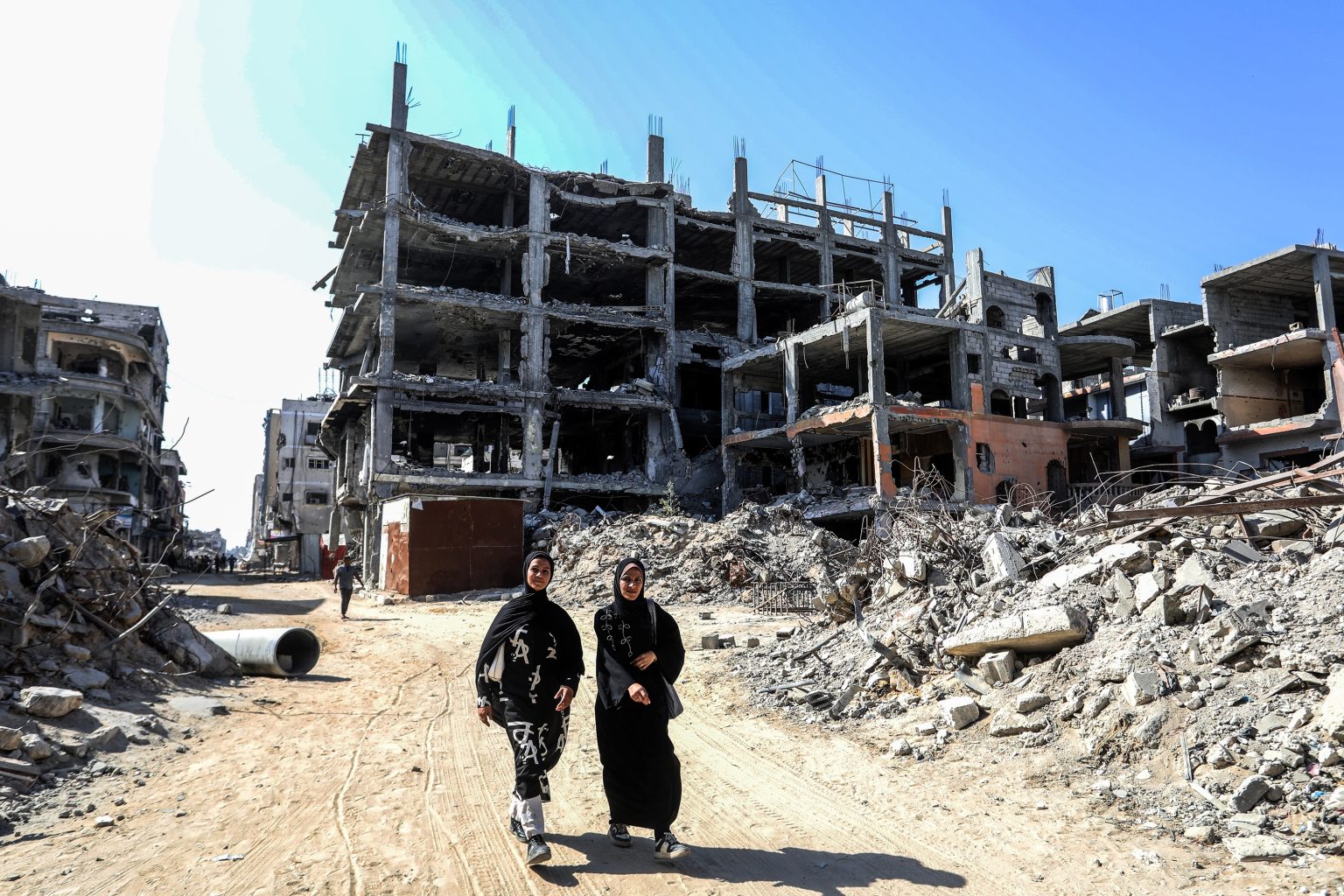
The specific location chosen for that pilot matters as much as the numbers involved. The first phase is expected to unfold in Rafah, in southern Gaza, where construction of temporary housing for displaced Palestinians is planned, alongside a new headquarters for the stabilisation force itself. Officials say around thirty Moroccan officers have already toured the proposed deployment area, an early sign that some of the contributing countries are treating the pilot as more than symbolic. Yet anyone allowed to relocate into that zone will reportedly face strict vetting procedures designed to screen out anyone with ties to Hamas, underlining how far Israel remains from trusting any part of Gaza’s population without individual security clearance, even inside a supposedly stabilised area. Trump’s original twenty point framework, agreed after a ceasefire took hold last October following two years of full scale war triggered by the Hamas led attacks of October 2023, envisaged a much broader sequence, a surge in humanitarian aid, civilian administration under Palestinian technocrats, Hamas disarmament and a genuine Israeli withdrawal. What has actually moved, nine months on, is a single pilot zone in one corner of the strip.
That gap between the plan’s ambition and its actual progress is the real story behind Sunday’s vote, and it explains why the timing before Washington looks so deliberate. Nickolay Mladenov, the Board of Peace’s high representative for Gaza and one of the plan’s chief architects, called the Israeli decision critical for stabilising and demilitarising the territory and for enabling a transition to an effective Palestinian transitional administration, and said the priority now is simply moving forward with the twenty point framework. That is a diplomat’s way of acknowledging, without quite saying so, that the plan has been effectively stuck. Hamas has continued to insist that demands for its disarmament, made while Israel keeps troops inside roughly seventy per cent of Gaza and restricts humanitarian access, sit uneasily with the obligations Israel itself was meant to fulfil under the ceasefire’s later phases, including a broader military withdrawal. Both sides, in other words, have been accusing the other of stalling, and Sunday’s cabinet vote gives Netanyahu something concrete to present as movement precisely when Trump is losing patience with a plan that bears his name and his political credibility.
What Washington will be watching for
None of this removes the deeper tension sitting underneath the pilot project. Israel has retained the authority to approve which countries send troops and where those troops can operate, meaning the stabilisation force, however international in composition, remains dependent on Israeli consent at every stage. That arrangement suits Netanyahu’s coalition, which can present the deployment as controlled and reversible rather than a genuine transfer of authority, but it leaves open the question of whether the force can ever grow beyond a token pilot without Israel agreeing to loosen its grip on the yellow line, something hardline ministers in the current government appear determined to resist. Analysts following the negotiations closely note that the second phase of the ceasefire, involving a wider Israeli withdrawal and the actual disarmament of Palestinian factions, remains entirely unresolved, with Israel insisting disarmament must happen first and Hamas arguing it has already met its initial obligations by releasing hostages.
What Trump does with this small but symbolically loaded concession in Tuesday’s meeting will indicate how much pressure Washington is genuinely willing to apply to keep the process moving beyond a single pilot zone. If Trump treats Sunday’s vote as sufficient proof of progress and eases off, the Rafah pilot risks becoming a permanent holding pattern, a photographed step forward that never expands into the broader withdrawal and disarmament sequence the plan actually requires. If, instead, Trump uses the meeting to demand a firm timetable for wider deployment and an eventual Israeli pullback, the coming months could reveal whether this coalition, riven by the same divisions on display in Sunday’s vote, can actually deliver a transition it has spent months resisting in practice while endorsing in principle.