


Foreign fighters remain a major feature of African conflicts as international powers apply different rules depending on their strategic interests.
What is becoming increasingly difficult to ignore is that mercenaries have returned as a central instrument of modern conflict across Africa, despite years of international efforts to restrict their use. From Russian-linked formations to private military companies backed by regional actors, foreign fighters continue to influence wars while global responses often depend less on legal principles and more on geopolitical priorities.
According to security analysts, the use of mercenaries and private military contractors has expanded because they offer governments a way to project power while limiting direct military involvement. In Africa, these groups have been involved in conflicts ranging from the Sahel to Libya and Sudan, operating in environments where state institutions are weak and international oversight is limited.
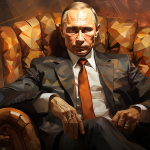
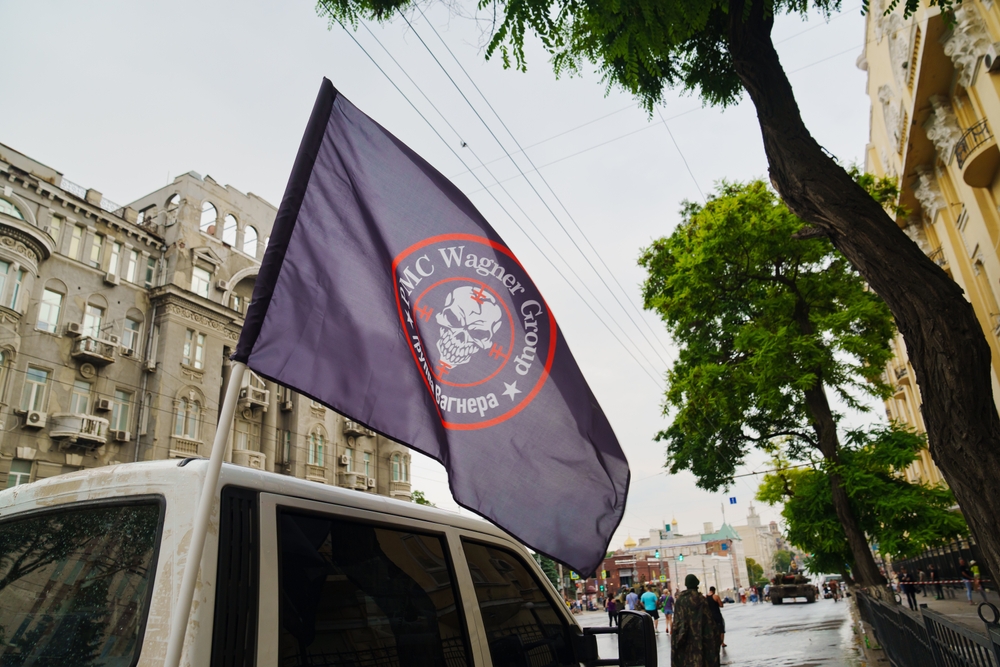
The debate has intensified around Russia’s Wagner Group and its successor networks. The organisation expanded its presence in countries including Mali, the Central African Republic and Sudan, providing security assistance, training and combat support while gaining access to political influence and natural resources. Western governments condemned these activities as destabilising, but critics argue that similar concerns have not always been applied consistently to other foreign military contractors.
The issue is rooted in a broader history. Foreign fighters and private military companies have long operated across Africa, often filling security gaps left by governments struggling with insurgencies, coups or civil wars. During the Cold War, external powers supported armed groups and governments across the continent as part of wider strategic competition.
Today’s mercenary landscape is more complex. Private military actors can provide battlefield expertise, equipment and operational support without the political costs associated with deploying national armed forces. Regional observers note that some governments view these groups as a practical solution when traditional international assistance is considered too slow or politically restrictive.
The challenge is that mercenary involvement can weaken state institutions and create long-term dependency. Recent assessments indicate that foreign military companies often operate with limited transparency, making accountability difficult when allegations of human rights abuses or unlawful activity emerge.
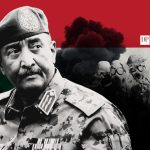
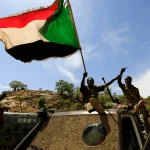
Sudan provides one of the clearest examples of the risks. The conflict between the Sudanese Armed Forces and the Rapid Support Forces has involved external actors, foreign support networks and competing interests. Analysts suggest that outside involvement has complicated efforts to achieve a political settlement and prolonged the conflict.
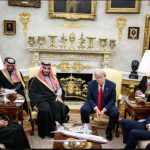
The international response has also revealed contradictions. Western officials frequently criticise Russian mercenary activity, while some governments in other regions continue security partnerships with private military companies when they align with national interests. Decision makers warn that inconsistent approaches risk weakening international efforts to establish clear rules governing armed non state actors.
The legal framework remains limited. The United Nations Mercenary Convention exists to restrict the recruitment and use of mercenaries, but it has received limited global support. Many modern private military companies avoid the traditional definition of mercenary forces because they operate through commercial contracts and provide security rather than openly fighting as independent armed groups.
For African governments, the issue presents a difficult choice. Some leaders see foreign security companies as necessary partners against insurgencies and instability. Others fear that reliance on external armed actors can undermine sovereignty and create new security problems once those groups become deeply embedded.
The future of mercenary activity in Africa will depend on whether international actors develop a more consistent approach. As competition between major powers grows, private military networks are likely to remain attractive tools for influence.
The central question is no longer whether mercenaries exist, but whether the international community can create rules that apply equally to all actors. Without greater transparency and accountability, Africa risks becoming another arena where private armies expand while global powers debate standards that they do not always follow. Tags: Africa, Mercenaries