


Andy Burnham walks into Downing Street, promising to rewire a country that has already watched six prime ministers fail to fix it
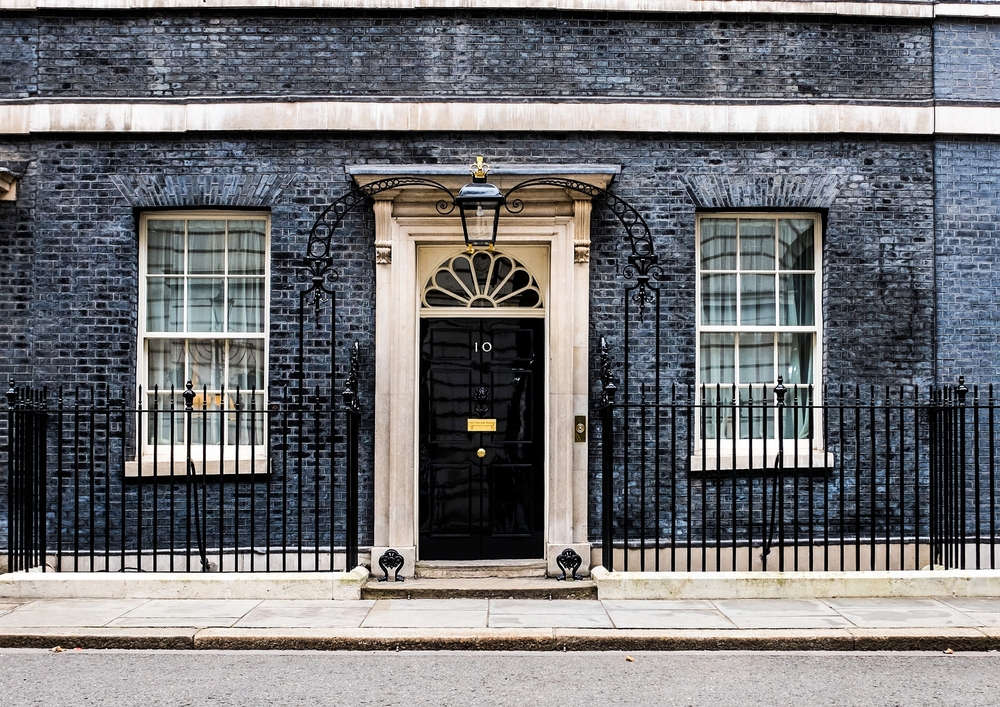
Nobody in Britain needs reminding how this usually goes. Andy Burnham becomes the country’s seventh prime minister in a decade on Monday, and the first thing worth noticing is that the number itself has stopped shocking anyone. He arrives promising to rewire the nation around what people actually feel in their daily lives, a cost-of-living squeeze and public services that quietly stopped working years ago. The handover happens in London, where Keir Starmer delivers a farewell speech outside Number 10 before resigning to King Charles, who then summons Burnham to form a government, according to a media report. What makes this transition different from the last six is the specific bet Labour is making, that a man who once ran a city can now do what a sitting prime minister couldn’t: slow down Nigel Farage.
The ceremony is the easy part. What comes next is a cabinet already fighting about itself before it exists, a list of broken utilities nobody has fixed in years, and an economy limping along on numbers nobody wants to say out loud, according to the same report.
A speech that leads with honesty about the wreckage
Burnham’s team has billed his first address as prime minister as an attempt to build what his office called a more stable and responsible politics. He plans to treat the moment as a reflection rather than a celebration, telling the country it’s time to be straight about how bad things actually are, and that stability, not another reinvention, is the only route back to improvement, according to a media report on the plan.
He isn’t underselling it. On Friday, he called his own election as Labour leader the most significant shift in British politics in 40 years, according to a media report. He’s promised to radically restructure the political system itself to lift living standards quickly, according to a separate media report, describing a country hungry for change, where, in his words, “life is more affordable, and all people and places are lifted from where they are now.”
That line isn’t really for the country. It’s for his own MPs, who increasingly view Burnham as one of the only Labour figures who might actually blunt Farage’s Reform UK, something they’d quietly stopped believing an unpopular Starmer could pull off. Farage, for his part, isn’t hiding his ambition either, framing his movement as nothing less than a war on Britain’s old order, according to a media report.
The chancellor fight nobody’s officially has
Before Burnham has picked a single cabinet seat, the fight over one seat in particular had already gone public. Choosing a finance minister is the appointment with real teeth, since a broken relationship between a prime minister and chancellor has quietly ended more than one previous government.
Ed Miliband, currently the energy security and net zero minister, looked like an early frontrunner until hostile briefings against him started circulating. Interior minister Shabana Mahmood has since emerged as the favourite instead, according to the reporting.
Burnham’s public response has been to ask his party to ignore the noise, insisting on Friday that his team wasn’t finalised yet, a request that will likely go unheeded for exactly as long as it takes someone to leak the actual list.
One policy is already dead, and another one is waiting
Burnham didn’t wait for the coronation to start cutting his losses. On Sunday, plans requiring every employee to carry a digital identity document, originally sold as a tool against illegal migration, were scrapped outright after a cross-party committee of lawmakers called the whole scheme a fiasco, according to a media report. Killing it before taking office is either decisive or defensive, depending on who’s telling the story, but it signals a leader willing to abandon a bad idea fast rather than defend it out of loyalty to a predecessor.
Thames Water is shaping up as the next fight, and a much messier one. Britain’s largest water company is drowning in debt and under constant fire over sewage leaks, according to a media report. Deputy Labour leader Lucy Powell, a Burnham ally, floated the idea on Sunday that the company could be placed under special measures, effectively pulling it under government control. She told Sky News that Burnham wants to refocus the government’s attention on his own priorities, tackling living costs and, in her words, rewiring the way the country’s economy actually works.
A city mayor’s instincts, tested at a national scale
Here’s the uncomfortable arithmetic nobody in Labour wants to say too loudly. For nine years running, Manchester built Burnham a reputation for being approachable, direct, and quick to abandon what wasn’t working. None of that experience has ever been tested against a fractious cabinet, jittery financial markets, and a public that has already watched six prime ministers cycle through this same building without fixing much of anything.
Labour bets that those Manchester instincts scale up. Whether they do won’t take long to find out. It will show up first in how cleanly, or how badly, Burnham fills the cabinet seats still sitting empty as he steps through the door of Downing Street on Monday.