




Officials in Moscow are rationing fuel as Ukrainian strikes on refineries imperil supply, frustrating Russians who have to wait hours to fill up.
For four years, the Kremlin has insisted that ordinary Russian life carries on almost untouched by war. That claim became much harder to sustain the moment President Vladimir Putin stood before television cameras and admitted, in his own words, that the country was suffering a “certain shortage” of fuel. It was a small phrase, delivered almost in passing, but it punctured a narrative Moscow had spent months building. Only weeks earlier, senior officials had been telling the public the opposite.
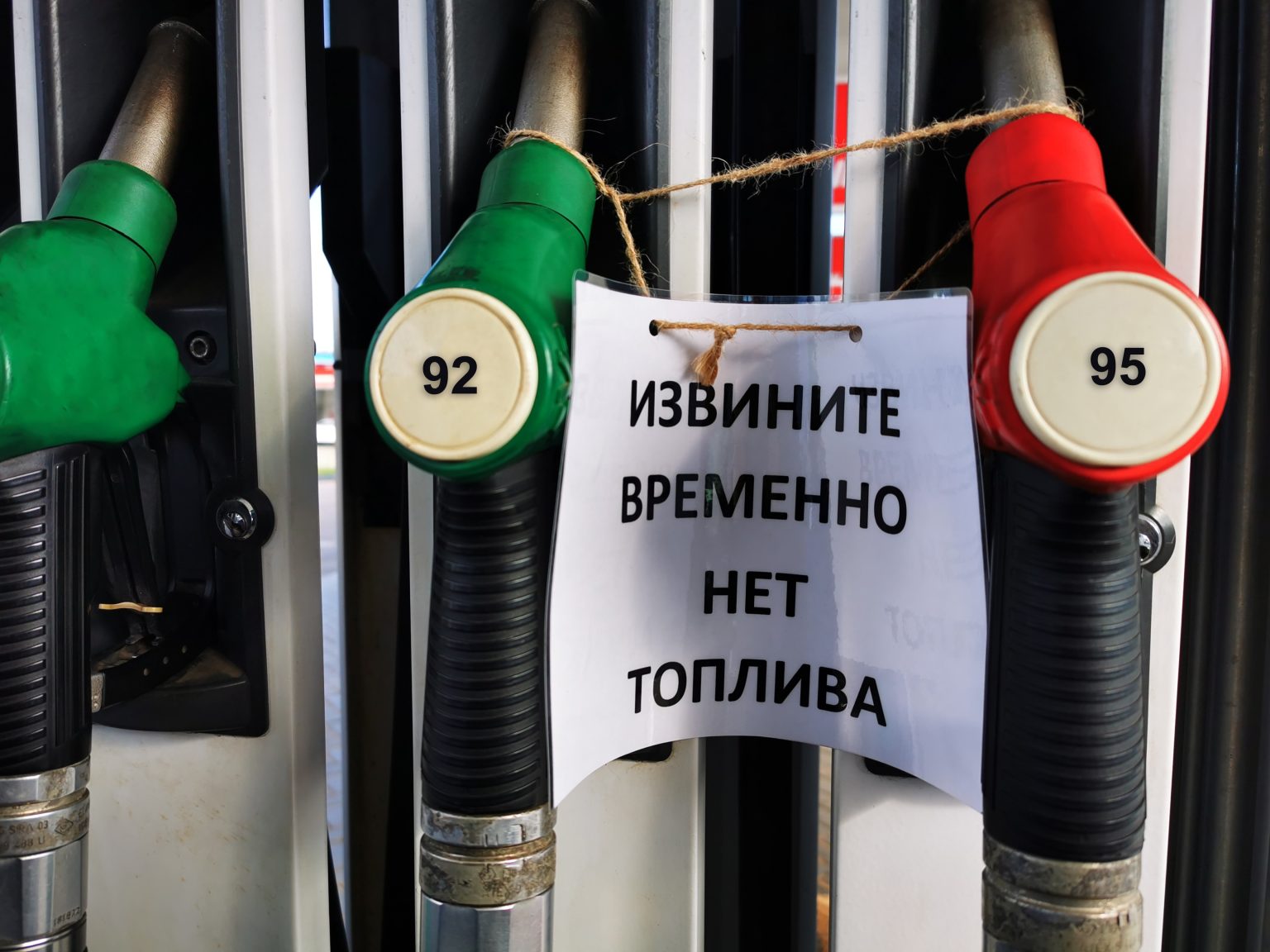
Deputy Prime Minister Alexander Novak had described the domestic market as “fully under control,” and the government’s public tone throughout June was one of calm reassurance. Then came the queues, the rationing, the empty pumps stretching from Moscow’s prosperous suburbs to the Pacific coast, and the admission that could no longer be avoided.
The scale of what is happening is striking. According to media reports and independent analysis, nearly all of Russia’s 83 regions are now experiencing gasoline shortages or supply disruptions of some kind, with more than fifty officially confirming problems through statements from local governors and mayors. Some, including Irkutsk and the Transbaikal region in Russia’s far east, have declared a state of heightened alert, one step short of a full emergency. In occupied Crimea, the situation escalated earlier still, with a full state of emergency declared in June and ordinary fuel sales suspended entirely. Motorists in Moscow, a city usually shielded from the hardships felt elsewhere in the country, have described waiting for hours only to find pumps dry. Petrol prices have climbed steadily since the start of the year, and some regions have introduced strict rationing, limiting drivers to as little as twenty to forty litres per visit.
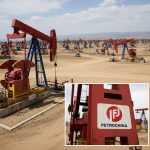
The cause is not a mystery, even if Russian officials spent weeks avoiding saying so plainly. Ukraine has spent the past year building a long-range drone campaign specifically aimed at the refineries that keep Russia’s domestic fuel market functioning. Security analysts estimate that a significant share of the country’s refining capacity, in some assessments approaching a third or more, has been knocked offline by repeated strikes. The International Energy Agency has put the figure at more than a fifth of capacity disabled, while Ukraine’s own military leadership has claimed an even higher toll. Whatever the precise number, the pattern is unmistakable. Facilities thousands of kilometres from the front line, once considered safely out of reach, are no longer safe. A refinery in Omsk, deep in Siberia and nearly two and a half thousand kilometres from Ukrainian territory, was struck in early July, sending plumes of black smoke into the sky and prompting Ukraine’s president to declare that his country’s improved drone range now put Siberia within striking distance. It was the sixth major refinery to be forced fully or partially offline since the start of June alone.
A campaign built to be felt at home
What makes this campaign different from earlier phases of the war is its target. Ukraine has, for some time, struck Russian energy infrastructure intermittently, but the current wave is sustained, repeated and clearly designed to be felt not by generals or oligarchs but by ordinary Russians filling their cars. Defence experts describe the logic as straightforward: rather than trying to win a war of attrition on the battlefield alone, Ukraine is attempting to raise the domestic cost of the conflict for the Russian public, betting that discomfort at the pump does more to unsettle the Kremlin than another contested kilometre of front line. Kyiv’s drone commander has reported that dozens of Russian vessels supplying occupied Crimea have also been struck in the Sea of Azov, part of a parallel effort to choke off routes into the peninsula by sea as well as by pipeline and rail.
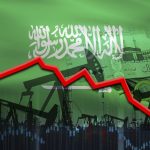
The economic backdrop makes the timing especially uncomfortable for Moscow. Russian growth has stalled sharply, with officials themselves acknowledging only modest expansion so far this year after a much stronger run driven by wartime military spending. Global oil prices, which spiked during the recent conflict between Israel and Iran, have since eased back, closing a window that briefly allowed Russia to offset falling export volumes with higher prices. Its central bank has continued cutting interest rates only cautiously, citing renewed inflationary pressure, some of it linked directly to the fuel disruption. Meanwhile, the government’s own budget position keeps deteriorating, forcing debates over tax increases even as defence spending refuses to fall. None of this alone threatens the state’s stability, but together it narrows the room Russian planners have to manage a crisis they had hoped would stay quiet and temporary.
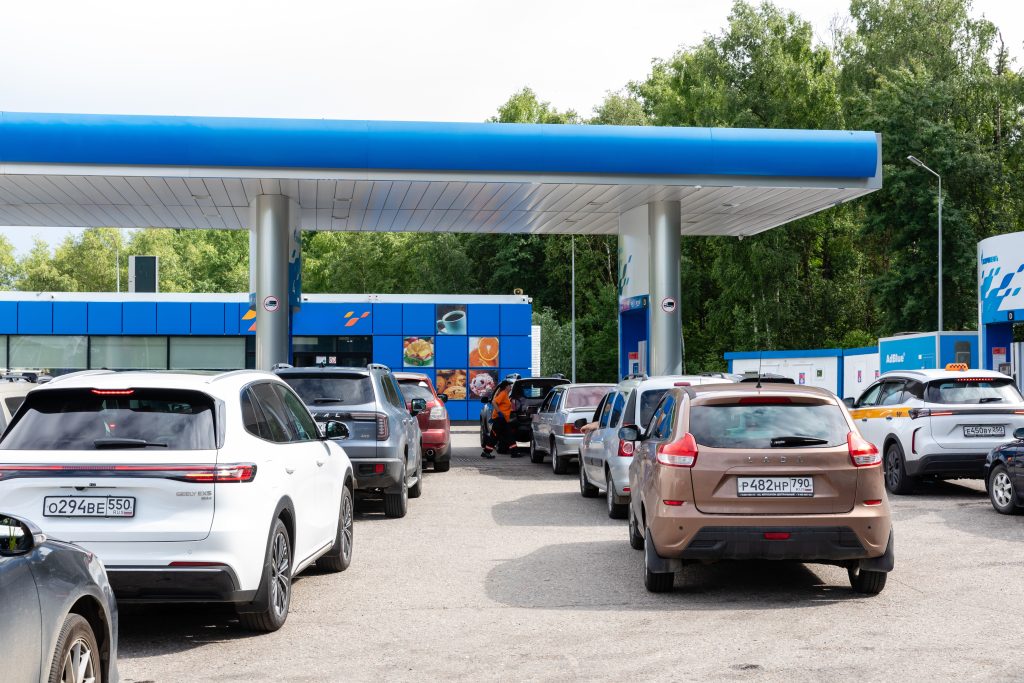
The gap between official language in June and the tone by early July says a great deal about how seriously the Kremlin now treats the problem. For weeks, the message from senior figures was consistently reassuring. Novak repeatedly told reporters that the market was manageable, describing rationing measures in some regions as little more than “occasional delivery hiccups.” Officials pointed to seasonal demand and scheduled maintenance rather than to drone strikes as the primary explanation. That framing became increasingly difficult to maintain as the number of affected regions grew from a handful to dozens, and as images of queues and dry pumps spread across social media faster than state broadcasters could offer alternative explanations. Putin’s own remarks, delivered in a Kremlin-published interview, marked the first time he personally linked the shortages directly to Ukrainian strikes rather than to routine market friction, even as he insisted the disruption was “not critical” and would pass.
Repairs, rationing and a longer war of endurance
Officially, Russia has responded with a familiar toolkit. Export bans on petrol and jet fuel were imposed months ago, and officials are now weighing an extension to diesel as well. Fuel-quality standards have been loosened to allow lower-grade petrol onto the domestic market, jerry can sales have been restricted in many regions, and imports have been increased from Belarus, Kazakhstan, India and, in smaller volumes, China. Authorities have also cracked down on black-market resale, with police in Irkutsk fining several people caught selling rationed fuel at several times the standard price. None of these measures addresses the underlying problem, which is physical damage to refining infrastructure that specialists say is unusually difficult to repair. Much of the specialised equipment inside a modern refinery is sourced from abroad, and sanctions have made replacement parts scarce and expensive. Analysts who track the sector suggest some of the most complex components could take years, not months, to replace, and that a number of damaged facilities may not be worth rebuilding at all unless a ceasefire removes the risk of them simply being struck again.
That last point captures the strategic logic Ukraine appears to be pursuing. Rather than a single decisive blow, this is a campaign of endurance, designed to keep pressure on Russian refining capacity faster than it can be repaired, region by region, season by season. Whether it succeeds depends on a contest that has nothing to do with negotiating tables and everything to do with which side can outpace the other: Ukraine’s ability to keep finding and reaching vulnerable targets, against Russia’s ability to shield them with layered air defences and rebuild what gets through. For now, the strikes appear to be winning that race. The coming months, spanning the peak of summer travel demand and the critical agricultural harvest, will test how far the Kremlin can stretch imports, rationing and propaganda before public frustration becomes harder to manage than the shortages themselves. Should the disruption persist into autumn and winter, when heating fuel and diesel for transport and agriculture become even more essential, the political cost of a crisis Moscow spent weeks denying could prove far steeper than the economic one it is already struggling to contain.