


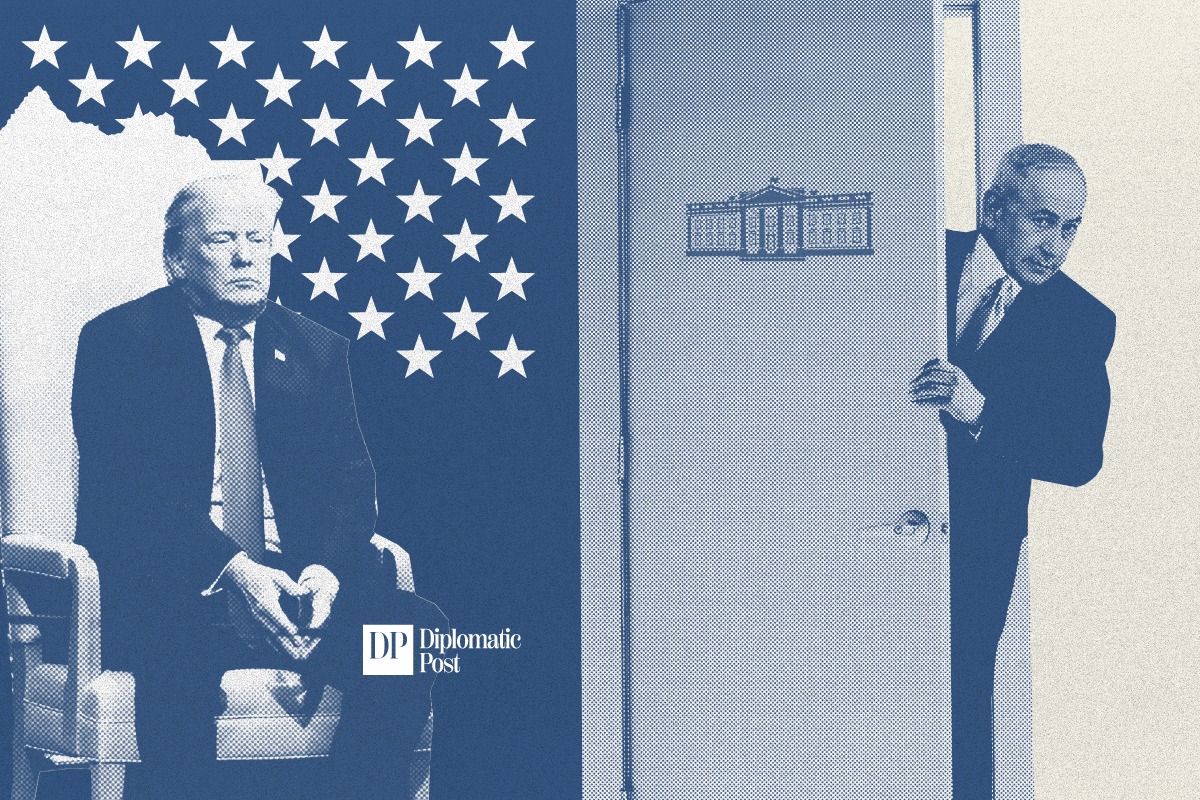
How a Monday sit down between Trump and Netanyahu became public before the White House itself confirmed it. Netanyahu has visited the Oval Office six times since Trump returned to office a year and a half ago more than any other world leader. Each of those meetings was scheduled within a matter of hours or days. This time, Netanyahu has been trying to get an appointment for more than two weeks.
Senior White House officials were caught off guard this week after learning through Israeli media that President Trump would host Prime Minister Benjamin Netanyahu at the White House on Monday. The disclosure, first reported in Israeli outlets and later picked up by Axios, left American officials scrambling to confirm details of a meeting that appeared to have been arranged without full coordination inside the administration. The episode matters because it exposes a communication gap between two governments that are supposed to be tightly aligned on some of the most sensitive issues in the Middle East, from Iran to Gaza. What happens next could shape how closely Washington and Jerusalem manage their message to the world in the months ahead.
A Meeting Announced From Afar
According to a media report, officials inside the White House first learned of the planned Monday meeting not through internal channels but by reading Israeli press coverage. This is an unusual sequence for two governments that typically coordinate high level visits well in advance, especially given the sensitivity of the topics expected to be on the table.
The visit comes at a delicate moment. Just weeks earlier, in early July, President Trump and Prime Minister Netanyahu had already met at the White House to discuss Iran, according to earlier reporting from Axios. That meeting focused heavily on the aftermath of tensions with Tehran and the broader question of how the United States and Israel intend to manage the Iranian nuclear file going forward.
A second meeting so soon after the first suggests that either urgent developments prompted a quick follow up, or that Israeli officials wanted to project an image of close coordination with Washington, even if the American side was still working out logistics. Neither explanation has been confirmed publicly by either government.
A media analysis examining the pattern of these visits noted that Netanyahu has frequently used high profile appearances in Washington to shore up his political standing at home. Israeli domestic politics remain volatile, and a visible show of support from an American president can carry significant weight with voters and coalition partners in Jerusalem.
Why The Confusion Matters
On the surface, a mix up over scheduling might look like a minor diplomatic footnote. But officials who study the US Israel relationship say these small breakdowns can reveal larger patterns.
A security assessment focused on alliance management noted that when foreign governments announce meetings with American leadership before the White House itself does, it can create the impression that Washington is reacting to events rather than shaping them. For a global power that prides itself on setting the pace of diplomatic engagement, that impression carries real cost.
There is also a question of message control. The Trump administration has tried to project a unified and decisive approach toward Iran, especially after months of heightened tension in the region. If Israeli officials are able to shape the narrative around when and why leaders meet, it can complicate Washington’s ability to manage expectations both at home and abroad.
An international organization report on diplomatic protocol noted more broadly that leaks or premature announcements from one side of a bilateral relationship often signal internal disagreement about strategy, timing, or messaging. In this case, the disagreement may be less about substance and more about optics, but the effect is similar. Allies and adversaries alike are watching closely for signs of friction between Washington and Jerusalem.
Israeli officials have not commented in detail on how the meeting news became public before Washington was ready to confirm it. American officials, for their part, have not offered a clear account of why they were left finding out from foreign press rather than through standard diplomatic channels.
What Comes Next
The Monday meeting itself is expected to focus once again on Iran, according to people familiar with the planning, along with other regional issues that have kept both governments engaged in near constant contact this year. Gaza, regional security arrangements, and the broader question of how to handle Iran’s nuclear ambitions are all likely to be part of the discussion.
For now, the mystery surrounding how the meeting became public is likely to fade quickly once the two leaders appear together and the substance of their talks becomes the focus of coverage. But the episode leaves a lingering question about coordination between two governments that describe themselves as close allies.
Diplomats who have watched the US Israel relationship over the years say these kinds of mismatches, while rarely damaging on their own, tend to accumulate. Over time, they can shape how officials in Washington and Jerusalem trust each other’s messaging, particularly on issues as sensitive as Iran policy.
Whether this particular mix up leads to tighter coordination in the future, or simply becomes another footnote in a relationship marked by frequent high level contact, may depend on how both sides choose to explain it, if they choose to explain it at all. For now, the meeting will go ahead as reported, even if the path to Monday looked less orderly than either government would likely prefer.