


Everyone assumes Abuja’s global standing has been fading for twenty years. The evidence tells a messier story
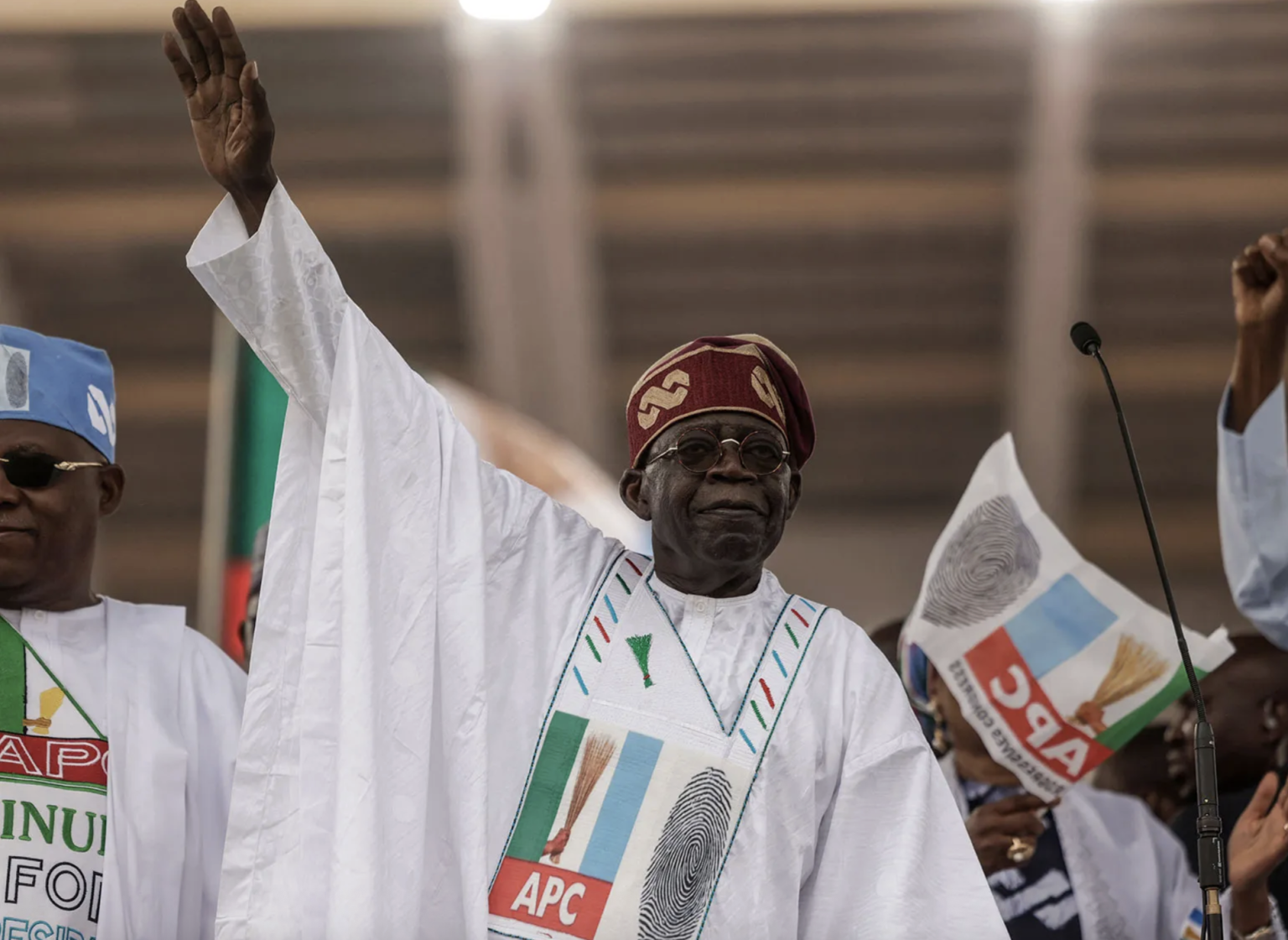
Ask most Africa watchers about Nigeria’s foreign policy, and you’ll get the same answer. Decline. Steady, unbroken decline, stretching back nearly two decades to the last time anyone thought Abuja punched above its weight. That was under Olusegun Obasanjo, president from 1999 to 2007, who pulled Nigeria out of diplomatic isolation and back into the world’s good graces. Everything since, the story goes, has been a slow fade. President Bola Tinubu, in office since 2023, seems at first glance to be finishing the job. But the tidy narrative of decline may be hiding a messier, more interesting truth, one where Nigeria’s influence is shifting shape rather than simply shrinking.
The evidence for decline is real, and it starts with an empty building. Early in his presidency, Tinubu recalled every one of Nigeria’s ambassadors, career and political appointees alike, in a move his spokesperson called a push for “world-class efficiency” in the foreign service, according to a report on the recall. Years later, many of those posts still sit vacant. Nigeria, Africa’s most populous nation, has embassies abroad running without the senior diplomats meant to represent it.
When an empty desk isn’t the whole story
That vacancy is not nothing. A country with unfilled ambassadorial posts in major capitals loses something real, continuity, relationship building, the daily grind of representation that keeps a nation’s interests visible. Critics who point to this as proof that Tinubu has quietly shelved foreign policy in favour of domestic firefighting, fuel subsidy removal, currency devaluation, and economic triage are not wrong about the facts.
But foreign policy has never lived only inside embassy walls. It lives in economic weight, in regional muscle, in whether other governments need you at the table when something goes wrong. And on that count, Nigeria’s story looks less like retreat and more like reallocation.
Consider the neighbourhood. West Africa has spent recent years lurching through coups and constitutional collapses, from Niger to Mali to Guinea. Through it, Nigeria has remained the anchor of the regional bloc ECOWAS, the country other West African leaders call when a crisis needs managing, not because Abuja has a full diplomatic corps deployed worldwide, but because it has size, a large economy, and a security apparatus other nations in the bloc simply lack.
Painful reforms, patient bet
Tinubu’s economic overhaul, brutal as it has been for ordinary Nigerians facing higher fuel and food costs, was never framed by his government as a retreat from the world stage. It was framed as a precondition for returning to it credibly. A government juggling a subsidised, distorted currency and chronic fuel shortages has little leverage in serious international negotiations. A government that has stabilised its books, however painfully, has more room to talk from strength rather than need.
That’s a bet, not a guarantee. It assumes the reforms hold, that inflation eases, that investment follows. It also assumes that quiet economic diplomacy and regional security leadership can substitute, at least temporarily, for the visible, ambassador-driven statecraft Nigeria used to be known for. Some governments do choose that trade-off deliberately, prioritising substance over the appearance of diplomatic activity. Whether that’s what’s happening in Abuja, or whether foreign policy has simply slipped down the priority list by neglect rather than design, is genuinely hard to tell from outside.
Two decades is a long time to call one story
Here’s where the conventional wisdom gets shaky. Treating twenty years of Nigerian foreign policy, spanning four different presidents with four different agendas and four different global contexts, as one uninterrupted slide is a lazy shorthand, not an analysis. Obasanjo’s Nigeria operated in a different world from Tinubu’s. Compressing all of it into a single downward line flatters the narrative and does little else.
The honest answer is that nobody knows yet how this chapter ends. If Tinubu’s reforms deliver a more stable economy and Nigeria converts that into sustained regional leverage, the empty ambassadorial desks will look, in hindsight, like a strange but survivable growing pain. If the reforms stall and the vacancies persist, they will look exactly like what critics already claim they are, evidence of a government that stopped paying attention to the world beyond its borders.
For now, the fairest verdict on Nigeria’s foreign policy is not decline. It’s undecided. And undecided is a far more useful, if less satisfying, place to actually watch closely.