


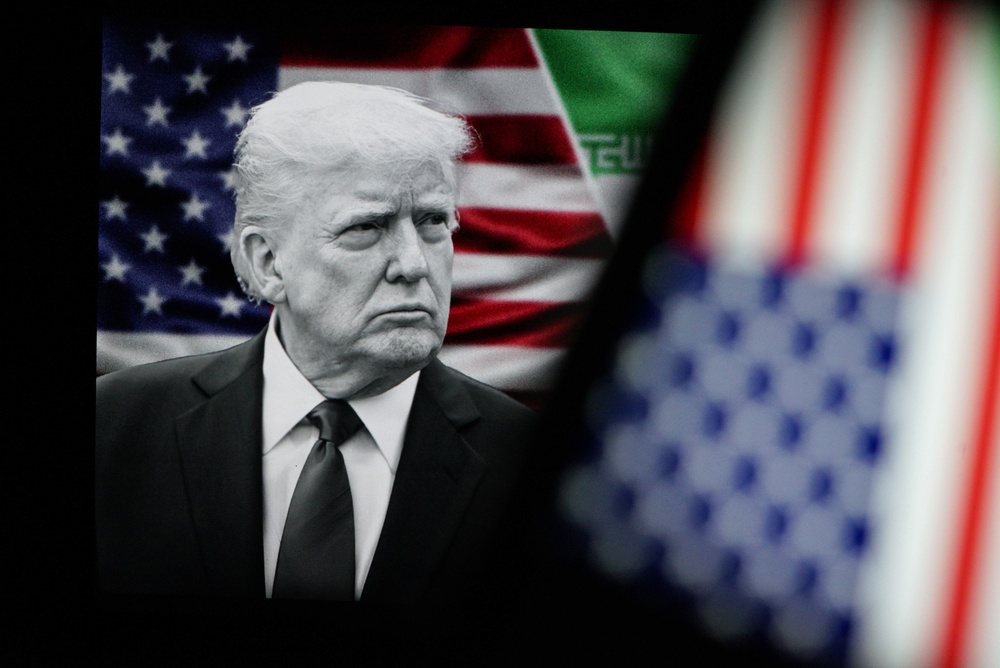
The cost of the Iran conflict is becoming a strategic challenge for Washington as military spending, regional commitments and economic risks continue to grow
What decision makers in Washington are now confronting is whether the strategic gains from the Iran campaign can justify the enormous financial burden created by a prolonged military confrontation in the Middle East.
The conflict with Iran has generated high costs for the United States, with estimates reaching tens of billions of dollars in military operations, weapons expenditure and regional deployments. According to media reports, the overall price of the campaign could approach or exceed $100 billion depending on the duration of operations and the level of future involvement.
Calculating the true cost of war is complicated. Direct military spending represents only one part of the picture. The United States must also consider the expense of deploying aircraft carriers, air defence systems, additional troops, intelligence assets and logistical support across the region.
Security analysts suggest that modern air campaigns can become financially demanding because advanced weapons systems are expensive to operate. Precision-guided missiles, long-range aircraft missions and defensive interceptors can consume billions of dollars during sustained operations, particularly when facing an opponent capable of launching missile and drone attacks.
The economic impact extends beyond military budgets. Energy market instability, increased shipping risks and pressure on global trade routes can create wider costs for governments and businesses. The Middle East remains central to global energy supplies, and any disruption around key maritime routes can influence fuel prices and economic planning worldwide.
Recent assessments indicate that the United States entered the confrontation with significant military infrastructure already positioned in the region. American bases, naval forces and security partnerships across the Gulf provide operational advantages, but maintaining these capabilities requires continuous investment.
The financial question also carries political consequences at home. Large scale overseas military operations often create debate over whether resources should be directed towards domestic priorities, defence modernisation or other strategic challenges including competition with China and Russia.
Military planners increasingly believe that future conflicts will require a balance between high technology capabilities and sustainable spending. While advanced aircraft, missiles and surveillance systems provide major advantages, they also create challenges when used against opponents relying on cheaper weapons such as drones and ballistic missiles.
The Iran conflict highlights this imbalance. A relatively inexpensive unmanned system can force the use of costly defensive measures, creating what security experts describe as an economic challenge in modern warfare. Countries must develop affordable methods of defence while protecting critical military and civilian infrastructure.
The strategic benefits of the campaign remain a central question. Supporters argue that weakening Iran’s military capabilities could reduce threats to regional allies and limit Tehran’s ability to project power. Critics warn that prolonged operations could increase instability, require further deployments and create a cycle of escalating costs.
Historical comparisons show that the financial consequences of military campaigns often continue after active fighting ends. Operations in Iraq and Afghanistan demonstrated that long-term expenses include veteran support, equipment replacement, reconstruction efforts and future security commitments.
The next stage of the conflict will determine whether Washington faces a short military operation or a longer regional commitment. The final cost will depend not only on battlefield developments but also on diplomatic outcomes, the level of deterrence required and whether the United States can prevent further escalation.
The $100 billion question is therefore not only about money. It is about whether military spending can deliver lasting strategic stability in a region where security challenges have repeatedly proven difficult to resolve.