


A Twenty Per cent Toll, a Reinstated Blockade, and a World Now Watching Every Barrel
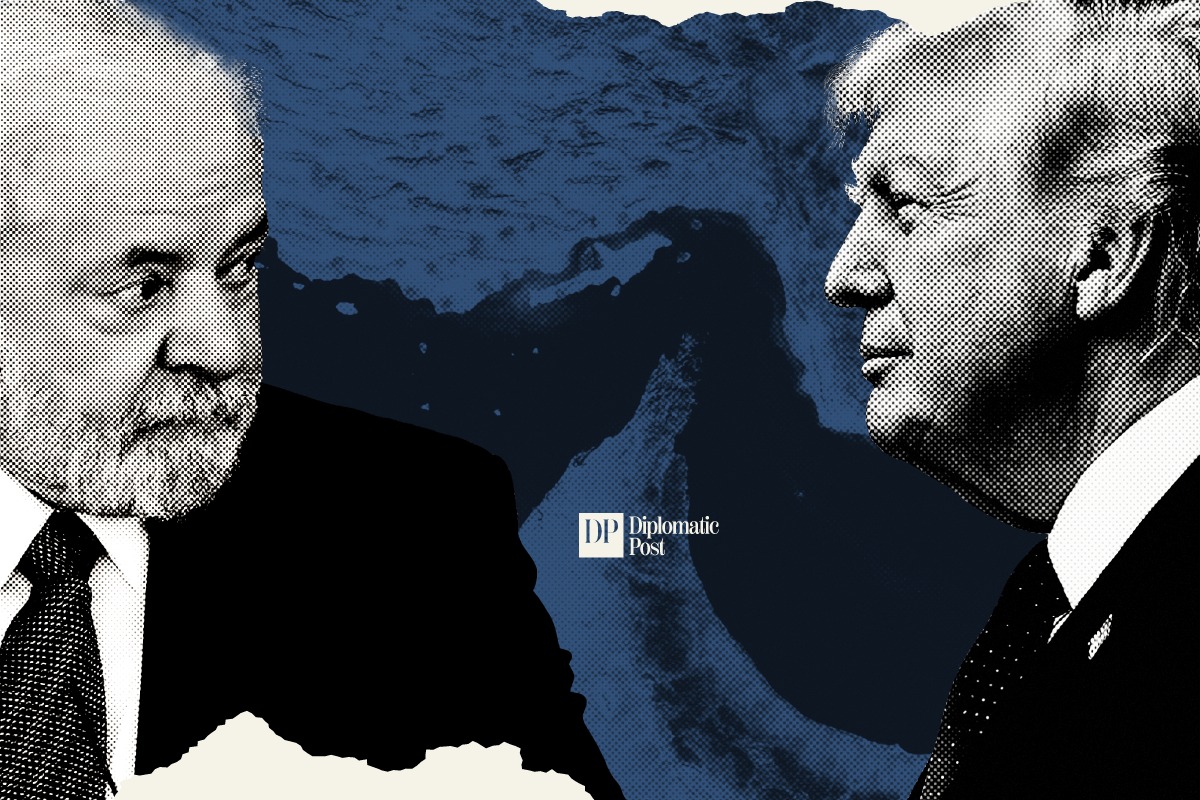
Brazilian President Luiz Inácio Lula da Silva accused Washington of piracy on Monday, telling a public event in São Paulo state that President Trump’s plan to charge a fee on every ship passing through the Strait of Hormuz would turn the United States into exactly the kind of outlaw it has spent decades fighting. For every ship unblocked, every ship removed from the strait, the oil owner must pay him twenty per cent, Lula said. This used to be considered piracy.
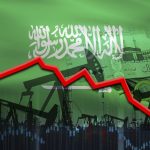
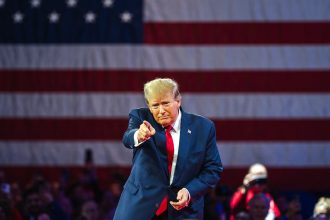
The dispute traces back to a Truth Social post Trump published Monday, in which he declared the strait open and would remain open, with or without Iran, while announcing the United States would from that point forward be known as the guardian of the Hormuz Strait. As such, he wrote, and as a matter of fairness, Washington would be reimbursed at the rate of twenty per cent on all cargo shipped, for any costs necessary to provide safety and security to the waterway. Oil prices reacted almost immediately, with Brent crude jumping more than nine per cent to trade above eighty-three dollars a barrel, its largest single-day move since May 2020, while broader stock markets slid on the news.
A blockade that is not actually new
Trump also said the United States would reimpose what he called the Iranian blockade, a measure US Central Command confirmed would take effect Tuesday at four in the afternoon Eastern time, targeting vessels transiting to or from Iranian ports and coastal areas.
The move revives an operation first launched in April, which Central Command said had redirected more than one hundred forty compliant vessels and disabled nine non-compliant ones during its initial run between mid April and mid June. That earlier blockade wound down once Washington and Tehran reached an interim ceasefire, an agreement Trump has since declared dead following a fresh round of American strikes on roughly one hundred forty targets inside Iran and Iranian retaliation against bases in neighbouring Gulf states.
The legal footing under the fee proposal remains murky by Trump’s own account. It was not immediately clear how, or under what authority, the administration intended to actually collect payment from shippers, and the United States is not even a party to the UN Convention on the Law of the Sea, the treaty that governs passage rights through international straits like Hormuz.
The International Maritime Organisation rejected the idea outright within hours, with its secretary general saying the body has always opposed charging fees for passage through straits used for international navigation and that no legal basis exists for such a toll. The irony was not lost on analysts either; the US Treasury Department has previously warned that companies paying Iran for safe passage through the strait would themselves be violating American sanctions, a practice officials labelled maritime extortion at the time.
Big oil is not lining up to pay either government.
Major energy companies have already signalled they have no intention of paying anyone for transit rights. Chevron’s chief executive said bluntly earlier this year that his company would not pay a fee to Iran to move its ships through the region, calling freedom of navigation through international waterways a well-established principle, and warning that any toll, regardless of who imposes it, risks setting a precedent other states bordering chokepoints like the Strait of Malacca could try to copy. Iran’s foreign minister offered a pointed response of his own to Trump’s announcement, saying the president was absolutely right that a fee made sense, but arguing that twenty per cent was too much and that Iran, not the United States, would forever be the strait’s rightful guardian.
Lula tied his criticism directly to kitchen-table economics back home, warning that the conflict was driving up prices for basic foodstuffs in Brazil, including beans, rice, tomatoes, onions, and fuel. His government has already rolled out temporary measures to soften the impact of rising fuel costs, funded in part by a twelve per cent tax on crude oil exports introduced in March.
The timing carries its own political weight. Lula, eighty years old, is seeking a fourth term in the October elections, and rising food prices are exactly the kind of pocketbook issue that can shape an incumbent’s reelection odds.
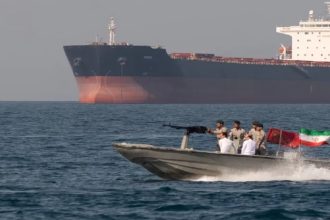
Analysts have questioned whether the fee announcement reflects a genuine policy or, in the words of one former State Department energy envoy, mostly bluster, noting that if American forces could actually guarantee safe passage through the strait, that guarantee would already be visible on the water rather than announced on social media. Shipping data from the intelligence firm Kpler showed voyages through Hormuz falling fifty two percent week on week even before Monday’s announcement, with a growing number of vessels attempting so-called dark crossings, disabling their location beacons to avoid tracking as they pass through contested waters.
Strip away the duelling accusations of piracy and extortion, and the settled facts are these. The blockade Trump described is scheduled to formally resume Tuesday afternoon, oil prices have already registered their sharpest single-day jump in years on the fee announcement alone, and the International Maritime Organisation has publicly stated no legal basis exists for the toll Washington wants to charge. Whether that toll ever actually gets collected, or simply becomes one more unresolved claim in a standoff that has already reshaped global shipping patterns once this year, is a question the markets are still pricing in real time, one barrel at a time.