




Seven Bills, One Deadline, and a Coalition Betting Its Survival on the Knesset’s Final Days
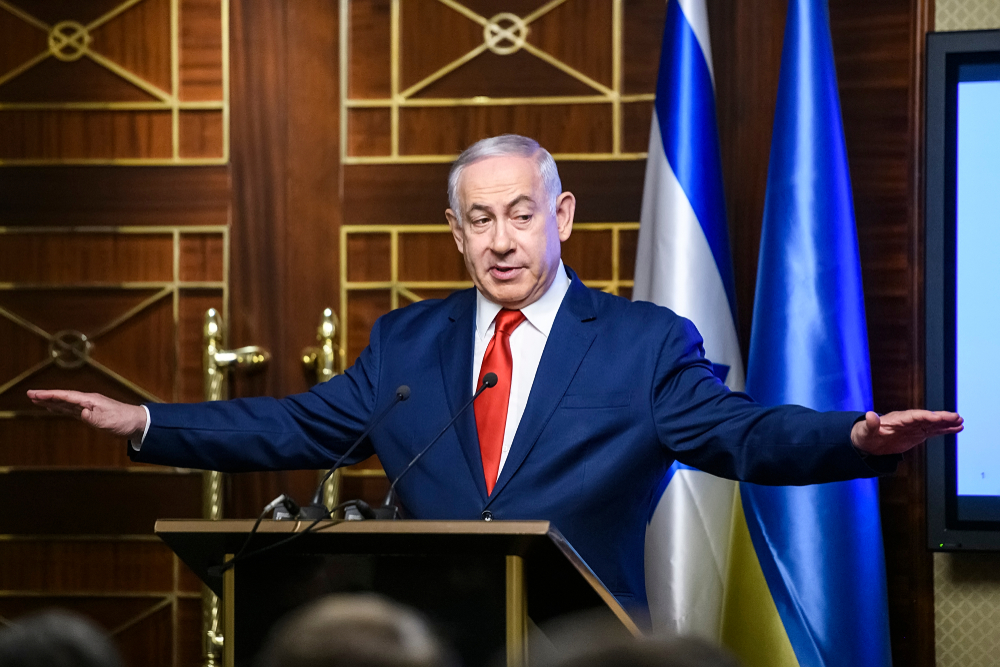
Israel’s parliament is set to dissolve within days, just four months before national elections, and Prime Minister Benjamin Netanyahu’s government is rushing to pass a stack of legislation before that window closes. Seven separate bills currently sit on the Knesset’s agenda, each one a priority for a different party inside Netanyahu’s ruling coalition, and media reports describe the effort as an attempt to lock in political wins the government may never get another chance to secure.
A prime minister racing against his own calendar
By striking these bargains now, Netanyahu is hoping to walk into the late October election from a position of strength, even though opinion polls have shown his coalition struggling to hold on to power. He has led Israel for nearly two decades across multiple terms, and reports note he is facing sustained public anger over a series of failures, chief among them the security breakdown that allowed Hamas’s October 7, 2023, attack, the event that triggered the war in Gaza and reshaped Israeli politics ever since. Opposition leader Yair Lapid captured the mood on social media, writing that while the coalition busies itself with its own survival, the opposition is fighting for the country and its citizens.
The most contested piece of legislation concerns military service exemptions for students engaged in long-term religious study, a demand ultra-Orthodox parties have pushed for years and have repeatedly threatened to bring down governments over.
Approved in a preliminary reading in June, the bill states that the State of Israel will recognise long-term Torah study as meaningful service for the benefit of the state and the Jewish people.
Reports describe months of demonstrations and heated television debate around what has come to be known as the Basic Law on Torah Study. Gadi Eisenkot, the former military chief who has emerged as Netanyahu’s most serious electoral rival, wrote that the government is exploiting the final days of the Knesset’s session to pass laws against the army, arguing that only his newly formed party would govern differently.
In exchange for backing the military exemption bill, ultra-Orthodox lawmakers are expected to support a broadcasting sector overhaul pushed by Netanyahu’s Likud party, a reform its supporters present as opening the market to competition but which critics describe as an attempt to exert political control over media outlets and reward those seen as friendly to the government.
A separate bill would weaken the standing of the state attorney general, currently held by Netanyahu critic Gali Baharav Miara, by making her legal opinions non-binding on the government, a change opposition figures argue would strip away one of the last independent checks on executive power. A third measure, pushed by the religious parties, would repeal a prior reform that opened kosher certification to competition, reversing a change that had been expected to lower costs for restaurant owners.
The coalition’s urgency makes more sense against the backdrop of where the race currently stands. A Channel 13 poll released this month showed Eisenkot’s Yashar party narrowly ahead of Likud for the first time since its founding in September 2025, giving Yashar twenty-three seats against twenty-two for Netanyahu’s own party, though the broader balance between the coalition and opposition blocs has stayed roughly unchanged for months.
A separate survey from the public broadcaster Kan had the two parties tied. Analysts tracking the race note that the combined Bennett and Lapid Together party sits close behind in third place, while smaller factions on the far right and among Arab voters continue to hold blocs large enough to shape any eventual coalition math.
Why does the war keep following him into the campaign?
Commentary on the election has repeatedly framed it as a referendum on Netanyahu’s handling of October 7 and the wars that followed against Hamas, Hezbollah, and Iran. Reports note that despite the prime minister’s pledge of total victory issued in December 2023, Hamas has not been eliminated, Hezbollah continues operations in the north, and the government in Tehran remains in place even after direct conflict with Israel and the United States.
That gap between stated goals and battlefield outcome is described by analysts as one of the central reasons Netanyahu’s coalition has struggled to poll above the sixty-one seats needed to govern.
Under Israeli law, the Knesset must dissolve automatically once its summer session ends, and elections are legally required no later than October 27. Lawmakers do retain the option to extend the current session by up to twelve days, giving the coalition additional time to push its remaining bills through committee and into final votes, though internal disagreements within the coalition itself have made it uncertain whether every measure will clear that bar before time runs out.
Strip away the competing narratives from government and opposition alike, and one fact is confirmed beyond dispute. Israel is legally bound to hold elections by late October, the Knesset is on a fixed path toward dissolution this month, and Netanyahu’s own party is now running level with, or trailing, a rival built by one of the generals who once sat beside him in his own war cabinet. Everything else on the legislative agenda is still being negotiated against a clock that neither the prime minister nor his rivals control.