




The immediate calm in gas markets after the Iran crisis may conceal a deeper strategic risk for Europe’s long term energy security.
The absence of a major disruption in global energy markets following recent tensions in the Persian Gulf has been interpreted by many policymakers as evidence of resilience. European natural gas prices remained comparatively stable despite fears that shipping through the Strait of Hormuz could be interrupted, while LNG cargoes continued to reach global markets without significant delays. Yet this apparent stability may prove misleading. Rather than demonstrating immunity, Europe’s response reflects a fortunate combination of market timing, favorable inventories and subdued demand conditions that may not be replicated in the future.
The strategic lesson extends well beyond a single geopolitical crisis. Europe’s post Russian energy transition has fundamentally altered its vulnerabilities, replacing dependence on pipeline infrastructure with reliance on global maritime supply chains that remain exposed to geopolitical shocks in the Middle East and the Indo Pacific.
Europe’s Energy Transition Has Created New Risks
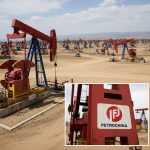
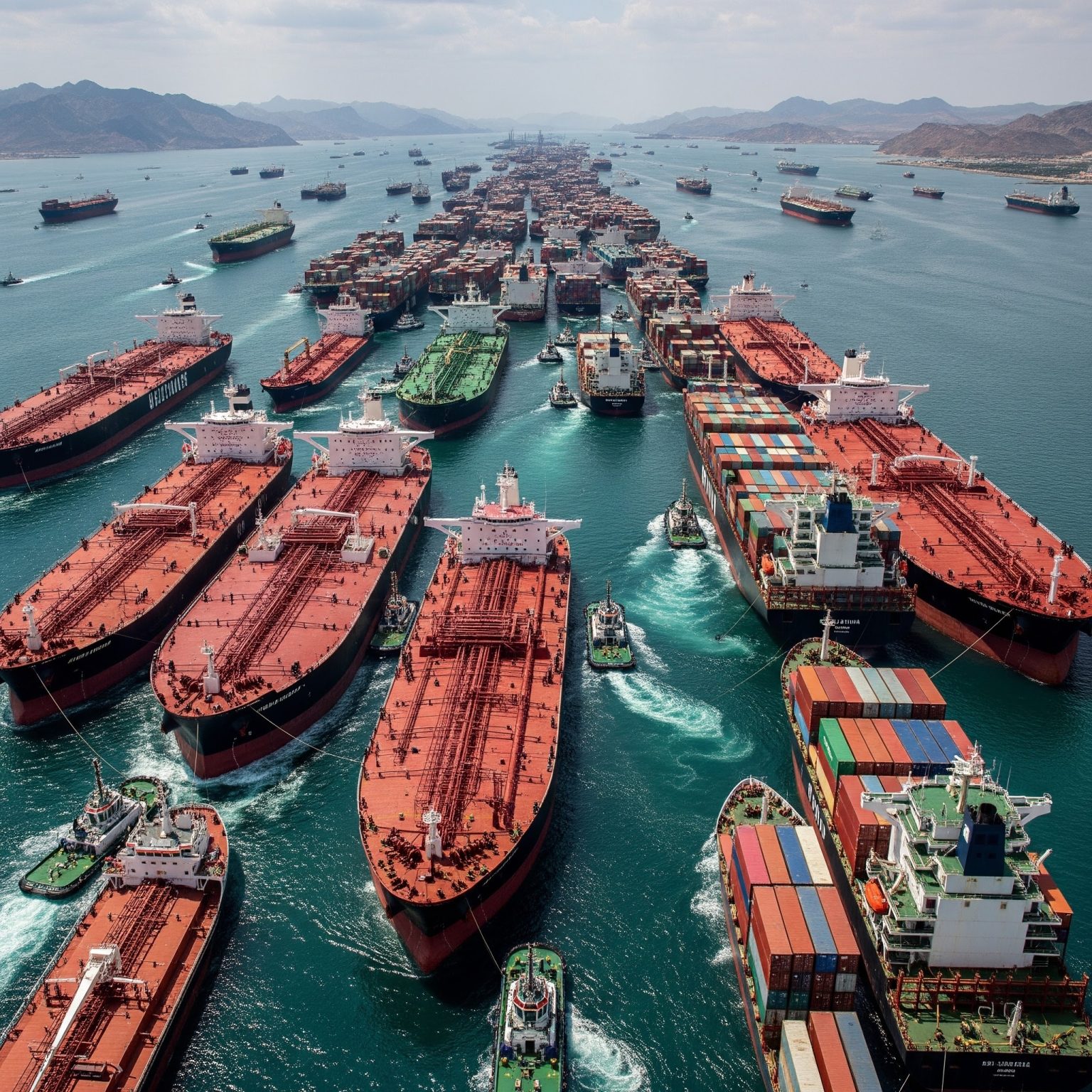
The transformation has been remarkable. Before Russia’s invasion of Ukraine, pipeline gas dominated European imports, with Moscow serving as the continent’s principal external supplier. Three years later, liquefied natural gas has become the backbone of European energy security, with cargoes arriving from the United States, Qatar, Nigeria, Algeria and other producers. Diversification has reduced exposure to a single supplier but increased dependence on shipping lanes stretching from the Gulf through Hormuz and the Suez Canal before reaching European regasification terminals.
This shift has profound strategic implications. Unlike pipelines, LNG cargoes compete in a global marketplace where Europe must bid against Asian consumers during periods of tight supply. Any disruption to maritime trade can therefore trigger not only physical shortages but also intense price competition, forcing governments to intervene to shield households and industry from soaring costs.
Hormuz Is More Than a Regional Chokepoint
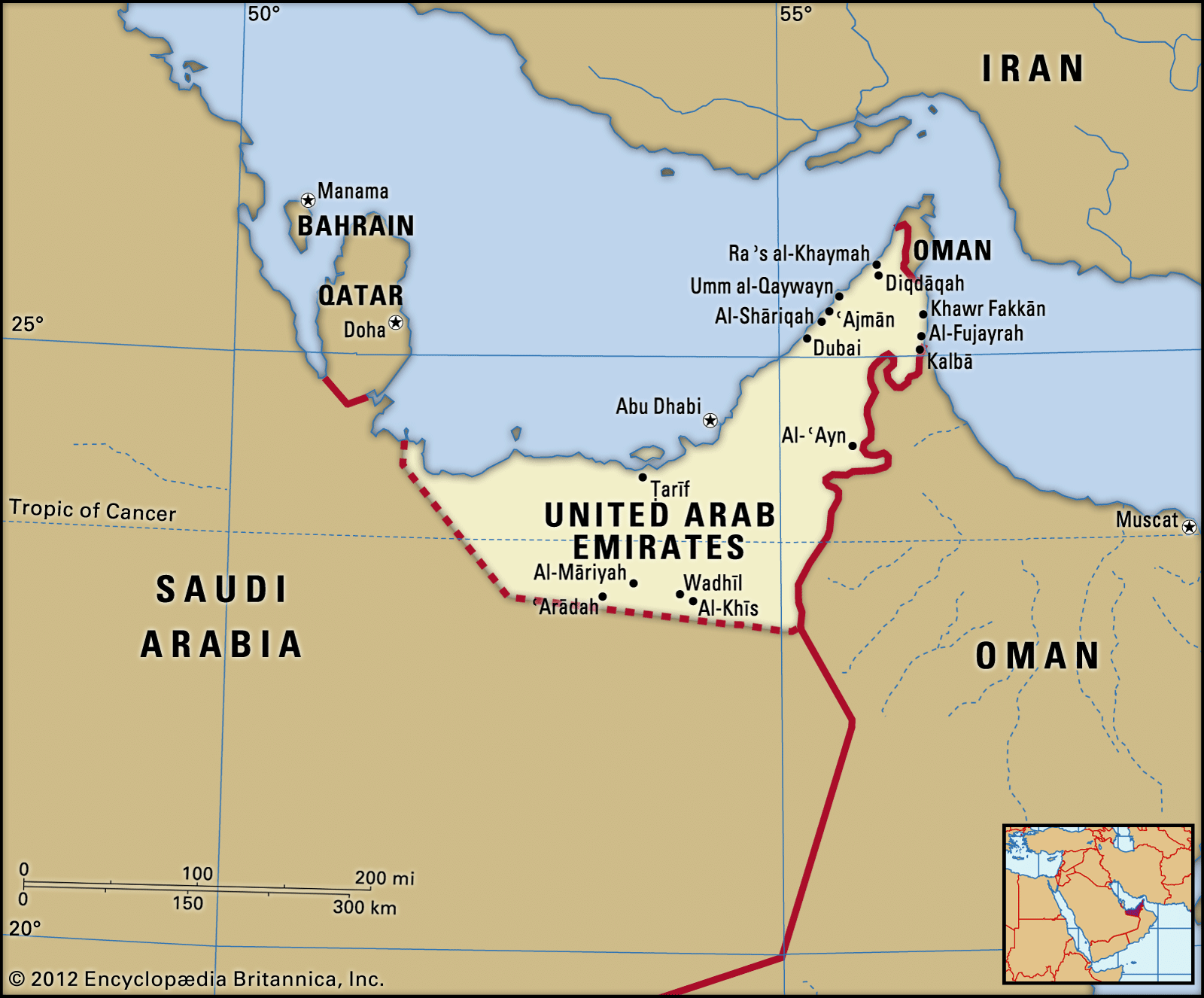
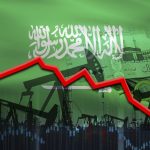
The Strait of Hormuz occupies a central place in this equation. Roughly one fifth of global oil trade and a substantial share of LNG exports transit the narrow waterway connecting the Persian Gulf to the Arabian Sea. Qatar, among the world’s largest LNG exporters and a critical supplier to Europe, depends almost entirely on this corridor. Even the perception of risk can raise freight insurance costs, alter shipping routes and inject volatility into commodity markets long before physical disruptions occur.
Europe escaped such consequences during the latest regional confrontation largely because gas storage facilities entered the summer injection season at relatively healthy levels, industrial demand remained weak and global LNG supply proved sufficient to absorb temporary uncertainty. The continent also benefited from slower economic growth in China, reducing competition for available cargoes and easing pressure on international gas markets.
The Next Crisis Could Be Far More Costly
These conditions should not be mistaken for structural resilience. The next geopolitical crisis could unfold during winter, when storage withdrawals accelerate and heating demand surges across Europe. At that point, a sustained interruption in Gulf exports could rapidly tighten global LNG markets, pushing prices sharply higher and testing European solidarity mechanisms established after the 2022 energy crisis.
The geopolitical dimension extends beyond Europe itself. Gulf producers increasingly view energy exports through a strategic lens, balancing commercial interests with regional security concerns and great power competition. China, India, Japan and South Korea all rely heavily on Gulf energy imports, creating overlapping vulnerabilities that could complicate diplomatic responses during a crisis. The United States remains the principal guarantor of maritime security in the region, but Washington’s strategic focus on the Indo Pacific raises questions about the long term sustainability of its security commitments.
Energy Security Has Become a Global Strategic Question
For European policymakers, the challenge is not simply securing additional gas supplies but reducing systemic exposure to external chokepoints. Investment in renewable energy, hydrogen infrastructure, electricity interconnections and battery storage serves both climate objectives and national security goals by lowering imported fossil fuel dependence. Expanding LNG import capacity alone cannot eliminate geopolitical risk if global shipping routes remain vulnerable to conflict.
The next twelve months will be particularly significant. Europe must refill gas storage ahead of winter while navigating persistent instability across the Middle East, uncertain Russian gas transit arrangements and evolving United States energy policy. Simultaneously, Qatar’s expansion of LNG production and new export capacity from North America could improve market liquidity, although these benefits will materialize gradually rather than immediately.
The Illusion of Stability
The broader lesson is that energy security has entered a maritime age. Europe has succeeded in reducing dependence on Russian pipelines but has simultaneously embedded itself more deeply within global shipping networks shaped by geopolitical competition. The apparent calm that followed the latest Hormuz tensions should therefore be interpreted less as proof of resilience than as a reminder that favorable market conditions can mask enduring strategic vulnerabilities.
For European leaders, complacency would be the greatest mistake. The next crisis may arrive under very different economic and seasonal conditions, when storage levels are lower, Asian demand is stronger and alternative supplies are less readily available. In that scenario, the Strait of Hormuz would once again demonstrate that geography remains one of the most powerful forces shaping international energy security and that Europe’s economic stability is increasingly tied to events thousands of kilometers beyond its borders.