


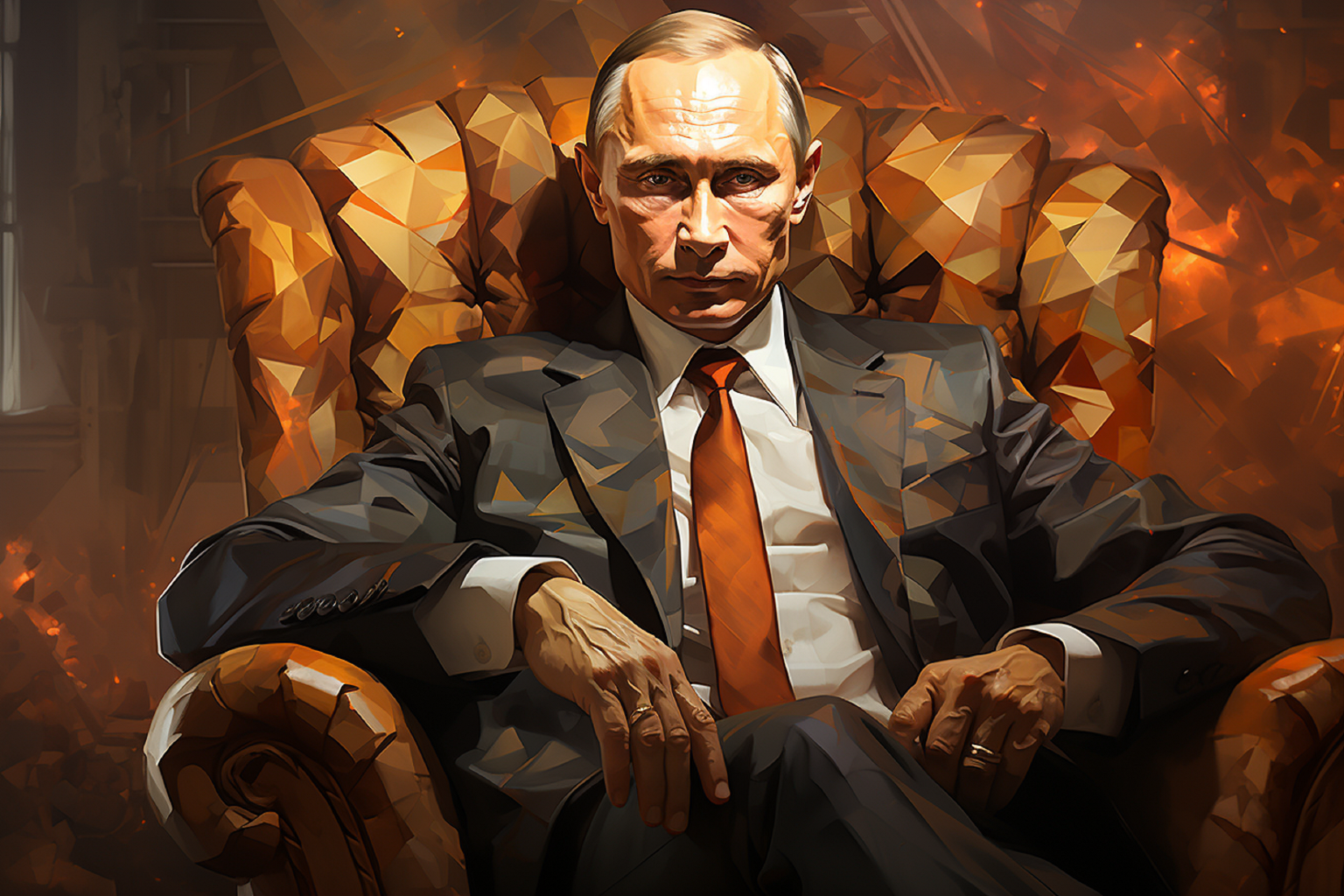


The assumption that Vladimir Putin’s political future is finite has become increasingly common in Western policy circles. Economic stagnation, demographic decline, sanctions, military losses in Ukraine and growing elite dissatisfaction have all fueled speculation that Russia’s current political model is approaching its limits. Yet the central strategic question for Europe is not when Putin leaves power, but whether the West can outlast the geopolitical project he represents.
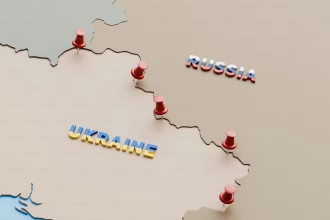
The Kremlin’s objectives have evolved beyond the conquest of Ukrainian territory. Moscow is pursuing a broader revision of the European security architecture established after the Cold War. Ukraine serves as the battlefield, but NATO cohesion, European political unity and American commitment to transatlantic security remain the true strategic targets.
From this perspective, the war has entered a phase where military operations are only one component of a larger confrontation involving economics, information warfare, cyber operations, energy markets and political influence inside democratic societies. Russia’s hybrid campaign seeks not necessarily to defeat Europe militarily, but to convince Europeans that resistance is too expensive and ultimately futile.
For Europe, therefore, victory cannot simply be measured by preventing additional Russian territorial gains in Ukraine. A sustainable victory would require preserving Ukrainian statehood, integrating Kyiv into European institutions and demonstrating that military aggression cannot reverse the post-Cold War order. Anything short of this risks creating a frozen conflict that permanently destabilizes Eastern Europe while allowing Moscow to claim strategic success despite battlefield losses.
However there is a vulnerability. Western attention spans. European politics often move from crisis to crisis, while authoritarian systems can sustain long-term strategic objectives without electoral pressure. Putin’s Russia has consistently demonstrated patience, accepting economic costs and diplomatic isolation in pursuit of geopolitical ambitions that extend over decades rather than election cycles.
Another significant concern is timing. Should Moscow perceive a temporary window of Western weakness—whether caused by domestic political divisions in Europe or uncertainty over American commitments—it may test NATO through limited provocations rather than conventional invasion. Hybrid attacks, cyber operations, border incidents or pressure against the Baltic region could seek to expose divisions within the Alliance without triggering full-scale war.
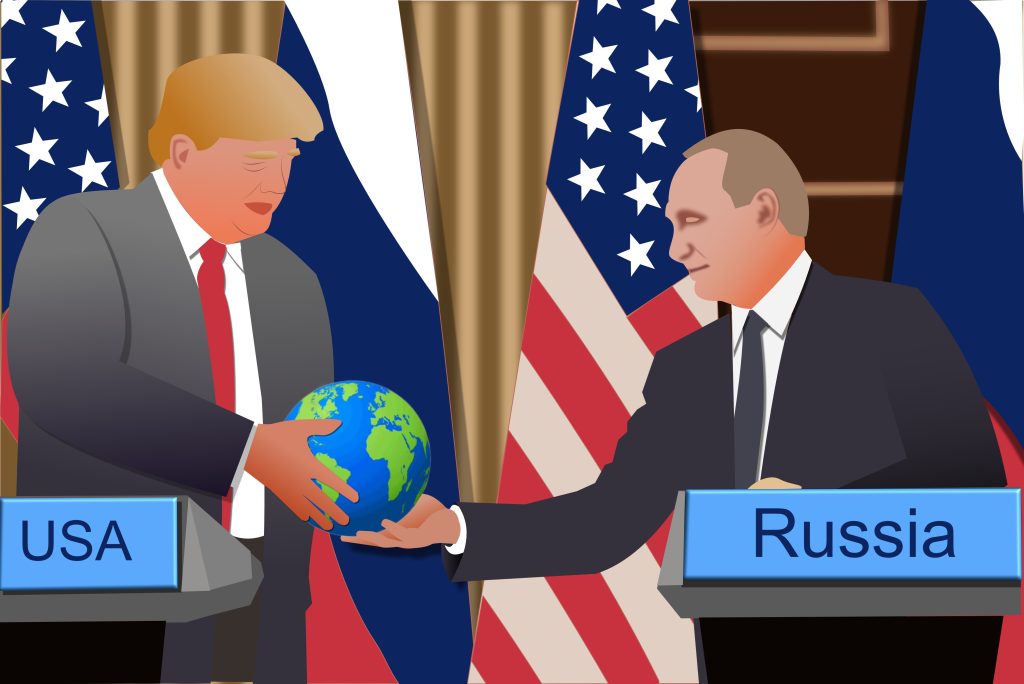
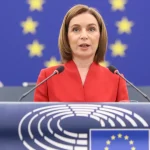
Equally important is the internal political struggle inside Europe itself. Moscow’s greatest opportunities may come not from battlefield victories but from populist fragmentation within EU member states. Electoral gains by nationalist or Eurosceptic movements could weaken sanctions regimes, reduce military support for Ukraine and undermine common foreign policy positions. In this sense, the resilience of European democracy has become a national security issue.
In the meantime also the situation reveals an important paradox. The longer the conflict continues, the more pressure accumulates on Russia’s economy and military-industrial complex, but simultaneously the greater the fatigue among Western publics. Strategic endurance, rather than tactical superiority, may ultimately determine the outcome. The contest increasingly resembles the Cold War’s logic of systemic competition rather than a conventional military campaign.
Finally, there is emphasis on engaging Russian society deserves attention. Long-term stability in Europe will eventually require some form of post-Putin relationship with Russia. Isolation alone cannot provide a permanent security framework. Any future European strategy will need to distinguish between the Kremlin’s current political leadership and broader Russian society, preserving channels for eventual normalization while maintaining pressure on the existing regime.
Ultimately, the confrontation between Europe and Putin’s Russia is becoming less a question of territory and more a contest between competing political systems, strategic patience and institutional resilience. Whether Putin remains in power for two years or ten may prove less important than whether Europe can sustain the unity, economic strength and political determination necessary to defend the security order that emerged after 1991. The side capable of maintaining long-term cohesion is likely to shape the future architecture of the continent.