

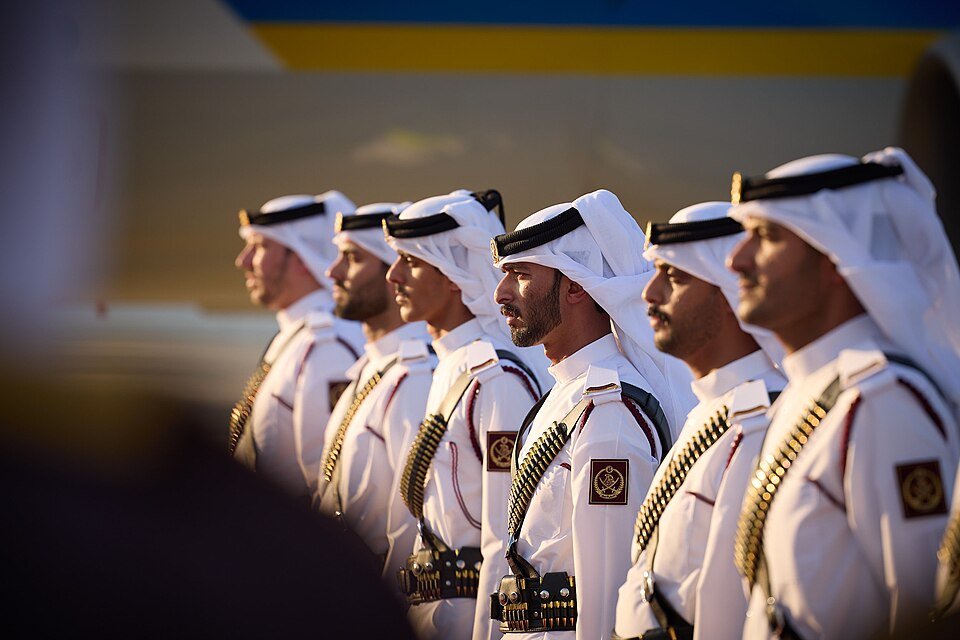
Qatar has once again positioned itself at the center of high-stakes Middle East diplomacy, hosting Iranian envoys for talks linked to a possible peace arrangement with the United States.
The discussions reportedly include some of the most sensitive files in the current crisis: the Strait of Hormuz, Iran’s uranium stockpile, frozen Iranian funds, sanctions, and the wider regional security environment.
Doha’s role is not accidental, Qatar has built its foreign policy around access, mediation and political flexibility. It maintains channels with Washington, Tehran, Hamas, Western governments and Gulf partners. This is clearly a diplomatic range few states in the region can match.
The current talks also reveal a broader shift in Middle East power politics. The region is no longer waiting passively for Washington to define outcomes. Smaller and middle powers are shaping the diplomatic architecture themselves, often because they have more immediate exposure to the consequences of escalation.
If a U.S.–Iran off-ramp emerges, it may not come from a formal great-power summit, but from the patient brokerage of states such as Qatar.