


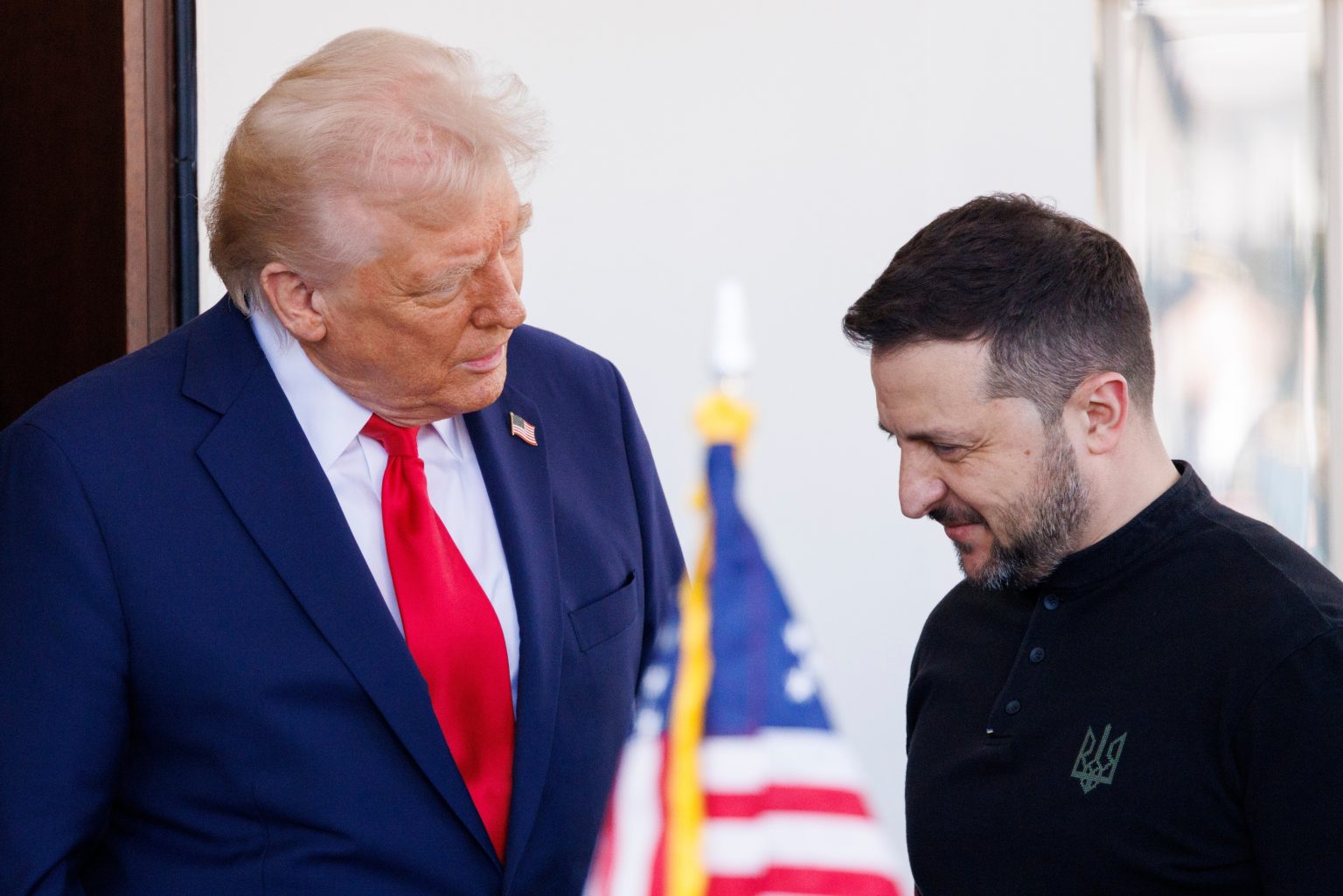
As Zelenskyy heads to Washington, a narrower ceasefire plan for the skies alone is emerging as the war’s next real test.
Volodymyr Zelenskyy will land in Washington on Tuesday carrying an offer that Kyiv has made before and Moscow has rejected before, yet officials on both the Ukrainian and American sides believe the moment for another attempt has arrived. According to media reports, Ukrainian and US teams have discussed proposing a ceasefire limited to the air war, sparing missiles, drones and warplanes from the fighting while ground operations continue elsewhere. It sounds modest, almost technical, next to talk of a full peace deal. But in a war now defined as much by nightly bombardments of cities as by trench lines in the east, an air truce would touch the part of the conflict that ordinary Ukrainians and Russians feel most directly, and that is precisely why it matters.
The timing is not accidental. Zelenskyy is due to meet Donald Trump in the American capital on Tuesday, and the air ceasefire idea is expected to be a centrepiece of those talks. The Ukrainian leader flies in from London, where he met the mayor of Greater Manchester, Andy Burnham, amid British plans to share the intellectual property behind a new electronic warfare system named Stone Cloak, intended to help protect Ukrainian drone operators and civilians from Russian jamming and strikes. That visit, and the choice to route it through London before Washington, signals how tightly Kyiv is now trying to coordinate its European backers and its American patron before facing Moscow with a single, agreed proposal rather than competing initiatives.
The Kremlin’s first reaction was calculated caution rather than outright rejection. Its spokesman, Dmitry Peskov, said on Sunday that it was too early to comment, telling the Interfax news agency that reports of a new ceasefire formula were, in his words, newspaper reports and nothing more, and that Moscow needed to learn more before responding. That is a familiar Kremlin posture, neither closing the door nor opening it, and it fits a pattern that has held for much of the past year. Decision makers in Kyiv and Washington have floated at least half a dozen ceasefire initiatives since the start of 2025, ranging from short holiday truces to proposals for freezing the front line altogether, and Moscow has found a reason to decline or dilute nearly every one of them.
Ukraine’s Sky Gambit Ahead Of The Washington Showdown
The logic behind narrowing the ask to the skies alone is straightforward once the recent battlefield picture is understood. Ukraine has spent months intensifying long range drone and missile strikes on Russian oil refineries, ports and fuel infrastructure, aiming to squeeze the revenue that sustains Moscow’s war effort. Analysts briefed on internal Kremlin discussions have suggested that this economic pressure, rather than diplomatic persuasion, is what might eventually push Vladimir Putin towards concessions. Ukrainian officials appear to be betting on exactly that dynamic now, calculating that an air ceasefire, unlike a full territorial freeze, does not force Russia to give up its claims on the ground while still offering Putin genuine relief from the strikes hitting his energy exports.
There is also a darker backdrop that explains the urgency. Reporting based on sources close to the Russian leadership indicates that Putin recently rejected his own advisers’ proposal to halt fighting along the current front line, reprimanding those who suggested it and insisting Russian forces would eventually seize the remainder of the Donbas region without needing to compromise. Some of those same sources reportedly warned there is a high probability that Russia will escalate rather than negotiate in the months ahead, a conclusion that sits awkwardly beside Trump’s own public optimism that ending the war is closer than people realise. If ground concessions remain politically impossible for Putin to accept without losing face domestically, an air only truce may be the only formula flexible enough to survive contact with Kremlin politics, at least as a first step rather than a final settlement.
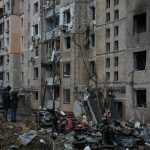
The human cost driving this search for any workable pause was on full display over the weekend. Local authorities in Kyiv reported that the Ukrainian capital again came under ballistic missile attack early on Sunday, while other regions endured bombardments through the following day. In Zaporizhzhia, firefighters worked to extinguish a blaze at a petrol station struck by a Russian air raid, one of the countless everyday targets that has turned routine journeys into calculated risks for civilians tracking drone paths on their phones. Two people were reported killed in Russia’s Rostov-on-Don region in a Ukrainian air attack, while a drone strike wounded a dozen people in the Russian border city of Belgorod, underlining that the air war now cuts in both directions and inflicts casualties on both sides of the border.
Nato’s Widening Front and the Tisk of Escalation
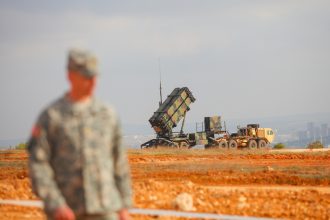
The air ceasefire discussion cannot be separated from what has been happening well beyond Ukraine’s own airspace. Nato has confirmed it is investigating an incident in which Romanian jets shot down a Russian drone at the weekend, part of a string of incursions that Romania’s president, Nicusor Dan, said involved a Shahed type unmanned aerial vehicle of the kind commonly used by Russian forces. A Nato military spokesman said the alliance, together with Romania and other member states, is actively acquiring ground based interceptors to strengthen air defences, a direct response to drones repeatedly straying into allied territory. Bucharest is reportedly preparing a formal diplomatic protest over the incursions. Each of these episodes, however brief, edges the war closer to the kind of accidental clash between Russia and a Nato member that officials on every side say they want to avoid, and it adds another layer of pressure on Washington and Kyiv to find some way of narrowing the conflict’s most dangerous edges before an accident forces the issue.
Separately, tensions have flared between Ukraine and Iran, after Tehran said an attack by Ukrainian forces on an Iranian vessel could not go unanswered, a reminder that the war’s supply chains, from Iranian drone technology reaching Russia to Ukrainian countermeasures against it, continue to draw in actors far from the front line.
Set against that wider picture, the meeting in Washington on Tuesday looks less like a routine diplomatic stop and more like a test of whether narrower, more achievable steps can succeed where sweeping peace plans have repeatedly failed. If Trump and Zelenskyy agree to formally put the air ceasefire proposal to Moscow, the Kremlin’s response over the following weeks will say a great deal about whether Putin sees economic pain from Ukrainian strikes as a genuine constraint or merely an irritant he can absorb. A rejection, or another round of the ambiguous non answers Peskov offered on Sunday, would suggest Moscow still believes it can outlast both Ukrainian pressure and Western patience. Acceptance, even partial or conditional, would mark the first real crack in a year defined by refused ceasefires, and could open space for the harder territorial and security negotiations that have so far gone nowhere. Either way, the coming weeks of drone strikes, Nato airspace incidents and diplomatic manoeuvring will likely determine whether this becomes the first ceasefire of the war that actually holds, or simply the latest addition to a long list of proposals that arrived, were debated, and quietly died.