


In a nearly 25-minute address, Trump revived his stolen election claims and turned them into an argument for controlling the electoral system itself, just months before the midterms
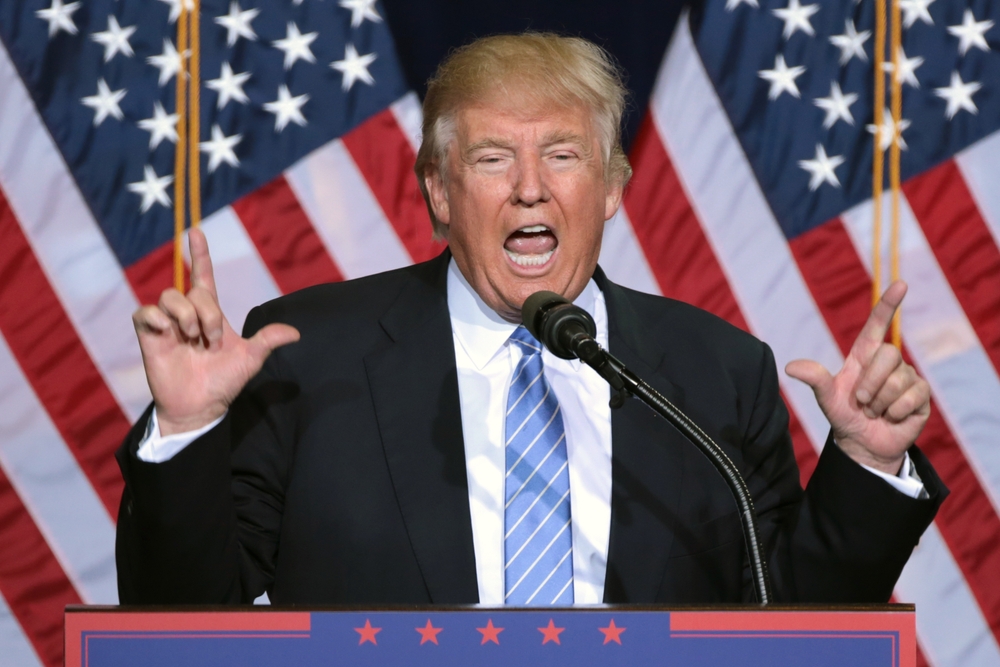
President Donald Trump delivered a conspiracy-tinged televised address on Thursday, July 16, once again contesting the outcome of the 2020 presidential election and accusing China of orchestrating what he called the largest compromise of election data in history. The speech, delivered from the White House, matters because it lands just four months before critical midterm elections, and because Trump is now using the same unproven fraud narrative that shaped his 2024 campaign as a central argument for taking greater control over the American electoral system itself, according to a media report.
The facts surrounding the 2020 election have not changed. Its validity has been repeatedly confirmed through ballot recounts and court rulings across multiple states. Yet Trump continues to insist the election was stolen from him and that he did not genuinely lose to Joe Biden, who served as president from 2021 to 2025. As the same reporting notes, facts are stubborn things, but so is Trump, and that persistence has now become a defining feature of his second-term political strategy.
An apocalyptic warning built on old claims
In his nearly 25-minute address, Trump described what he called shocking vulnerabilities in American democracy, framing the country’s electoral system as under active attack from foreign interference. He singled out China specifically, accusing Beijing of orchestrating the largest compromise of election data in history.
According to the address, Trump alleged that Chinese operatives had collected 220 million US voter files and had established what he described as a data exploitation unit dedicated to using that information against American democratic processes. He said he intended to declassify intelligence he claimed would support these allegations, though no such material had been made public at the time of the speech.
These are serious claims, and if substantiated, they would represent a genuine national security concern. But they arrive within a broader pattern that makes independent verification essential rather than optional. Trump’s core grievance, that the 2020 election was stolen, has never been supported by evidence despite extensive scrutiny. More than 60 lawsuits challenging the 2020 results failed to produce a single ruling establishing fraud capable of changing the outcome. Multiple recounts, independent audits, and an investigation conducted under Trump’s own Justice Department at the time all found no evidence of the widespread fraud he described then and continues to describe now.
Beijing responds swiftly and firmly
China wasted little time pushing back against the new allegations. Foreign ministry spokesperson Lin Jian told a news conference that the claims made by the American side were, in his words, pure fabrications and malicious smears that have long since been proven groundless, according to a media report.
Lin stated plainly that China has no interest in American elections and has never interfered in them. He added a pointed observation of his own, saying the international community sees clearly who habitually interferes in the internal affairs of other countries, a comment widely read as a direct rebuttal aimed back at Washington rather than a simple denial.
He went further still, urging American officials to reflect on their own conduct, stop what he described as the baseless smearing of China, and focus instead on improving the broader relationship between the two countries, according to the same reporting.
This exchange fits a recurring pattern in the US-China relationship. Accusations of foreign election interference have become a familiar feature of American political discourse around major election cycles, and Beijing has consistently and firmly denied any involvement, framing such claims as part of a broader pattern of what it sees as unfounded hostility from Washington.
A speech about the deep state and about 2026
Perhaps the most revealing element of Trump’s address was not the China allegations themselves, but the broader narrative he wove around them. According to the Le Monde reporting, Trump referenced a so-called deep state that he claimed had deliberately hidden evidence of Chinese meddling from the public, a framing that positions him not just as a victim of foreign interference, but of internal institutional betrayal as well.
This dual narrative, foreign adversaries working in tandem with hidden domestic actors, has become a recurring feature of Trump’s political rhetoric since his first term. It allows any inconvenient fact, a lost election, a failed lawsuit, an unsupportive intelligence assessment, to be reframed as further evidence of the very conspiracy being alleged, rather than as evidence against it.
The timing of the speech is difficult to separate from its political function. Arriving four months before midterm elections that could reshape the balance of power in Congress, the address serves a dual purpose. It reinforces a base of supporters who already believe the 2020 election was stolen, while simultaneously laying rhetorical groundwork that could be used to contest the legitimacy of the 2026 midterms themselves, should the results not favour Trump’s party.
Supporters of the president’s position would argue that concerns about foreign interference in elections are not inherently unreasonable, and that intelligence agencies have documented genuine past attempts by foreign actors, including Russia, Iran and China, to influence American political processes in various ways. They would say that scepticism toward previous unproven claims should not automatically discredit every future one, and that declassified intelligence, if it materialises, deserves to be evaluated on its own merits.
That argument has some validity in the abstract. But it runs directly into the specific history of this president’s claims, a pattern of serious allegations made publicly, never substantiated through evidence, and repeated regardless of the outcome of independent review. Whether Trump’s promised declassification will finally break that pattern or simply extend it remains to be seen. Until it does, the speech stands as another chapter in an increasingly familiar story, one where unresolved grievances about the past are being actively repurposed as tools for shaping the political battles still to come.