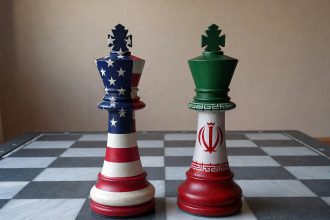





The ceasefire between the US and Iran is holding just but the entire agreement rests on a nuclear inspection regime that Tehran is already pushing back against.
Everything in the fragile US-Iran peace process connects back to one question: what exactly is left of Iran’s nuclear programme, and who gets to look? On 24 June, International Atomic Energy Agency Director General Rafael Mariano Grossi provided the clearest answer yet. Speaking at a press conference at Japan’s Fukushima Daiichi nuclear plant, Grossi said the memorandum of understanding signed by both presidents leaves no room for ambiguity, and that inspections of Iran’s uranium enrichment sites are “going to happen,” pushing back against contradictory statements from both Washington and Tehran that have muddied the terms of last week’s landmark deal.
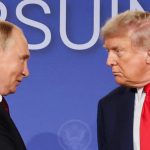
That pushback matters enormously. The MOU, signed on 17 June at the Palace of Versailles by President Trump and Iranian President Masoud Pezeshkian, stipulates that the IAEA will carry out inspection verification and oversee the down blending of Iran’s enriched uranium. But Iran has already moved to contest the scope of those inspections, insisting that sites damaged in the US and Israeli strikes of 2025 and 2026 are off-limits.
The IAEA has been permitted to visit some unaffected sites such as the Bushehr nuclear power plant, but without access to enrichment facilities it says it cannot verify the status of Iran’s uranium stockpile or inspect the centrifuge cascades used for enrichment.
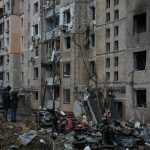
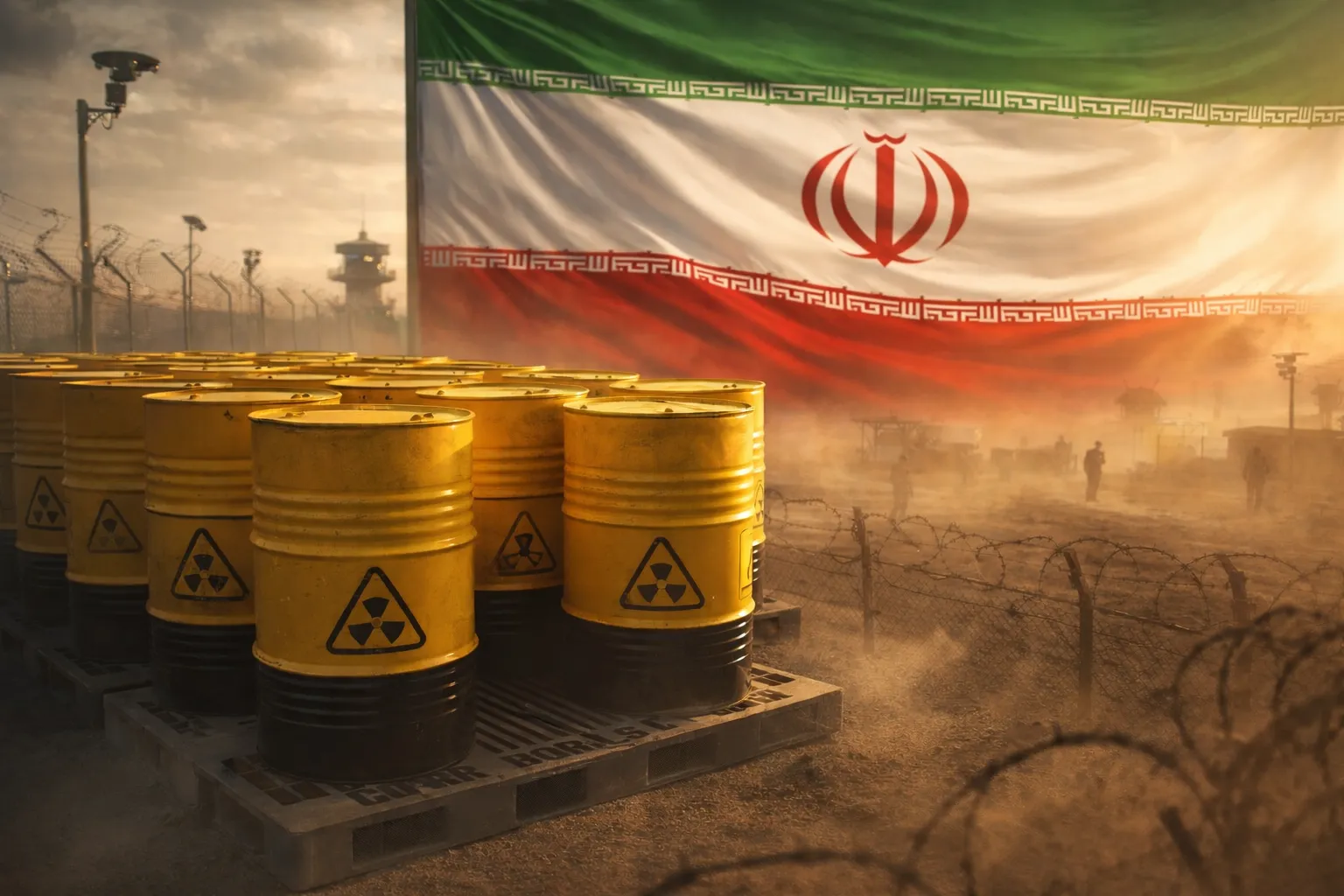
The stockpile itself is the central concern. Iran is believed to hold around 972 pounds of highly enriched uranium, with Grossi suggesting roughly half of that remains at the Isfahan nuclear facility despite repeated US claims that strikes had obliterated the programme. Around 440 pounds of enriched uranium was recorded entering a tunnel at Isfahan on 9 June 2025, just four days before the 12-day war between Israel and Iran began. The material has not been independently verified since. Both Iran and the IAEA say Tehran has not been enriching uranium since the strikes, but non-proliferation experts remain concerned that Iran may be moving its stockpile to undeclared locations. Iran holds the distinction of being the only country in the world to have enriched uranium to 60% purity without a declared weapons programme, a level just a step short of weapons-grade.
Iranian President Pezeshkian has been unequivocal about Tehran’s red lines. On 22 June he stated: “What is certain is that we will never back down from the right to enrich uranium, and the other side is also forced to accept it.” Iran has consistently maintained its nuclear programme is entirely peaceful.
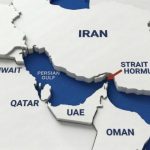
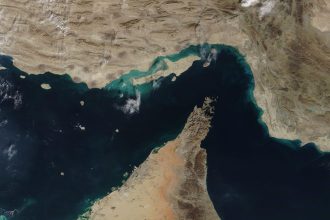
Washington’s position is the opposite: any final deal must include heavy restrictions on enrichment and a clear commitment that Iran never develops a nuclear weapon. The inspection dispute is not the only pressure point threatening to unravel the agreement. Negotiators in Switzerland agreed on a framework to end military operations in Lebanon, and Iranian Foreign Minister Abbas Araghchi declared “major progress,” but the situation in Lebanon continues to endanger the broader talks. Fighting between Israel and Hezbollah has not stopped, and Iran has used Israeli strikes in Lebanon as justification to pause or threaten Hormuz transit at multiple points since the MOU was signed.
NPR Grossi had warned as far back as April that any agreement without meaningful inspection provisions would be “an illusion of an agreement.” The UK, Germany, and France have collectively called for Iran to end its nuclear programme, curb its ballistic missile capabilities, and cease its destabilising regional activities as conditions of a lasting settlement.
The 60-day negotiating window the MOU provides was always going to be tight. The 2015 nuclear deal, which President Trump scrapped during his first term, took more than 18 months to negotiate. The interim deal offers lucrative incentives including the eventual lifting of all international sanctions and a $300 billion fund for postwar reconstruction, but the nuclear dossier remains the core issue over which the war was fought in the first place.
What to watch is whether Iran allows IAEA inspectors into its enrichment sites before the ceasefire atmosphere erodes further. Grossi has drawn his line clearly. If inspectors cannot access the facilities Iran says were damaged, the world has no way of knowing whether the threat that started this war has actually been contained. A deal without verification is not a deal. It is a pause.