


The collapse of a Games Done Quick sponsorship deal has reignited accusations that Riyadh’s investments in gaming are less about charity and more about rebuilding its global image
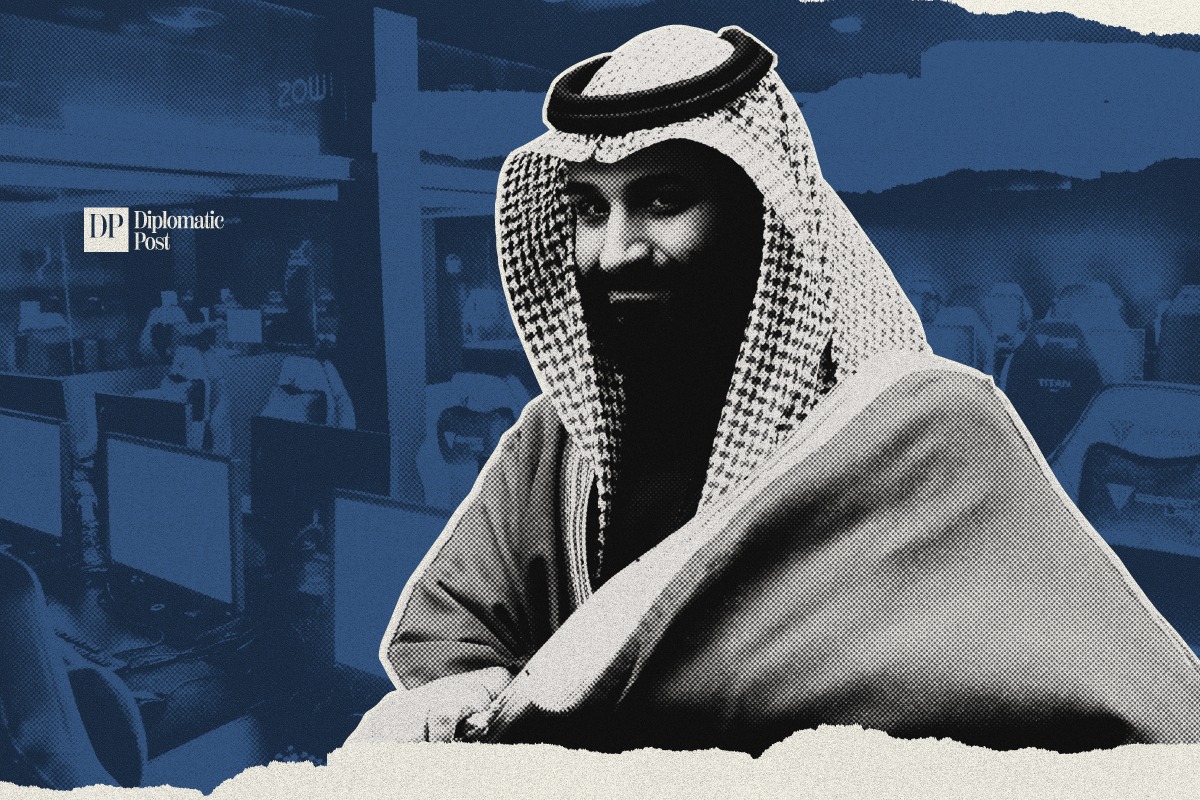
Games Done Quick, the charity speedrunning marathon, cancelled a sponsored showcase with Japanese developer SNK in the middle of a live broadcast on 12 July, after its community pointed out that SNK is almost entirely owned by a foundation controlled by Saudi Crown Prince Mohammed bin Salman. The reversal came less than three hours after GDQ had announced the partnership with visible enthusiasm. It has reignited a broader argument human rights advocates have pressed for years: that Saudi Arabia’s expanding footprint across gaming and esports functions as a deliberate rehabilitation project for a government widely documented as one of the world’s most repressive, and that gaming communities, not the industry itself, have become the only consistent force pushing back.
What happened, in sequence
Summer Games Done Quick 2026 concluded on 11 July after raising more than $2.4 million for Doctors Without Borders. The next day, GDQ announced a sponsored “speedrunning showcase” with SNK to mark the 30th anniversary of its Metal Slug franchise, saying it was excited to work with the studio. Within hours, community members flagged that since February 2022, 96.18 per cent of SNK’s shares have been held by the Electronic Gaming Development Company, a subsidiary of the Misk Foundation, a Saudi nonprofit established in 2011 by Mohammed bin Salman. GDQ cut the stream mid-broadcast and posted a statement on Bluesky acknowledging it had heard the community’s concerns about SNK’s ownership and “the human rights concerns tied to the Saudi government.” The organisation said it would not accept the sponsorship funds, would not work with SNK again, and would strengthen its vetting process for future partners, also apologising to the runners and host whose segments were cut without warning.
Why do critics call this “culture-washing”
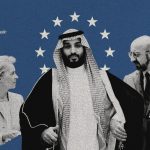
Human rights organisations, including Amnesty International, have accused Mohammed bin Salman of using cultural and sporting investment to distract from a documented record of repression, describing the kingdom under his rule as having become, in Amnesty’s words, a “kingdom of repression.” The Saudi government continues to face international scrutiny over the 2018 killing of Washington Post journalist Jamal Khashoggi, and human rights groups have separately documented the criminalisation of same-sex relationships under penalties that can include death, gender-based restrictions described by some rights monitors as gender apartheid, the use of torture, and reports of rising forced and exploitative labour conditions tied to major state construction projects. Critics who use the term “culture-washing” argue that this pattern of high-visibility investment in sport and entertainment, from golf’s LIV Tour to major esports events, functions specifically to soften that record in the eyes of global audiences rather than to build a genuine domestic gaming or entertainment sector.
How deep the investment actually runs
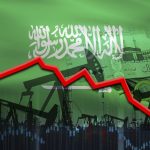
SNK’s ownership is one piece of a considerably larger picture. Saudi Arabia’s Public Investment Fund, the kingdom’s sovereign wealth fund chaired by Mohammed bin Salman and managing assets estimated at roughly $1.15 trillion, holds minority stakes in several major publicly traded game publishers, including Nintendo, Capcom and Take-Two Interactive. The fund has also moved to acquire Electronic Arts outright in a deal reported at roughly $55 billion, a transaction that coincided with EA laying off staff ahead of closing, and Saudi-linked entities have separately expanded into live competitive gaming through the acquisition of EVO, one of fighting-game esports’ most prominent annual events. Games writer Luke Plunkett, covering the SNK episode, argued the underlying strategy works precisely because of what he called industry greed and cynicism, allowing repeated Saudi acquisitions of gaming assets and events to proceed with limited scrutiny until a community reaction forces an organisation’s hand after the fact, as happened with GDQ.
The overlap was especially pointed for GDQ specifically. The speedrunning community has historically maintained a strong LGBTQ+ presence, and GDQ has previously directed fundraising toward LGBTQ+ advocacy organisations, making a sponsorship tied to a government that criminalises same-sex relationships under its existing legal framework a direct contradiction of the community’s own values rather than a purely abstract ethical concern. Doctors Without Borders, the beneficiary of the marathon GDQ had just completed, has also had direct, painful experience with Saudi-led military action, having treated casualties from Saudi airstrikes in Yemen, including a 2015 missile strike that hit one of its own hospitals, a history critics noted made the juxtaposition particularly uncomfortable even before any broader ethical argument about Saudi investment in gaming was raised.
Advocates following the episode argue GDQ’s reversal should not be treated as an isolated correction but as a template: if SNK’s ownership disqualifies it from sponsoring a human-rights-aligned charity event, they argue, the same standard should logically extend to other Saudi-linked holdings across gaming, from PIF’s minority stakes in major publishers to its ownership of EVO itself, rather than being applied only when a community backlash happens to catch one deal in time. That argument remains a position advocates and critics are actively pressing rather than a standard the industry has adopted; no major publisher or event organiser has yet announced a comparable review of its own Saudi-linked partnerships in response to the SNK episode, and Saudi officials have not issued a public response to the criticism raised around it.
GDQ’s about-face happened in under three hours, driven entirely by community pressure rather than an internal review process the organisation had already put in place. Whether that speed reflects a genuinely strengthened vetting standard going forward, or simply the fact that this particular ownership structure was unusually easy for fans to look up, remains the open question the episode has not yet settled, and one the far larger, less scrutinised web of Saudi minority stakes across the industry has so far avoided facing at all.