




Ships are moving again through the world’s most critical energy corridor, but Iran’s grip on who passes, and on what terms, is turning a ceasefire into a new kind of standoff.
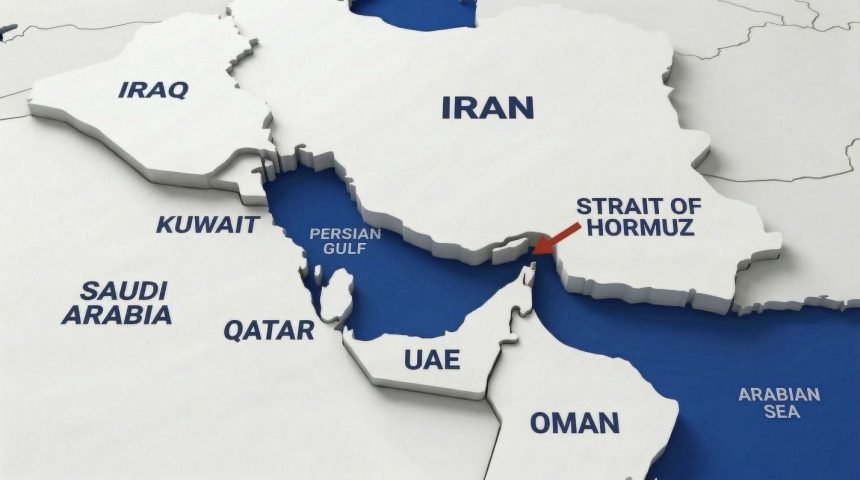
More ships are getting through the Strait of Hormuz. That is the good news. The bad news is that almost every one of them is doing so on Iran’s permission, on Iran’s route, and potentially one day on Iran’s bill. Ship traffic has picked up since Iran and the United States signed an interim deal to end a war that constricted global oil supplies and fuelled inflation, but questions surrounding control of the vital waterway and whether vessels will be charged tolls to cross it could interfere with negotiations to forge a lasting peace.
Crossings reached 25 on 18 June, the highest daily figure since mid-April, according to shipping intelligence firm Kpler. Before the war, the strait handled around 110 commercial crossings every single day.
That gap tells the real story. Iran’s lead negotiator Mohammad Bagher Ghalibaf has made Tehran’s position plain: Hormuz will “never return” to its pre-war status quo. The infrastructure of control Iran built during the conflict, a vetting system run by the Islamic Revolutionary Guard Corps Navy, controlled transit lanes, and a toll architecture, has not been dismantled. It has been temporarily suspended.
The EU has already sanctioned the IRGC Navy’s Hormozgan Provincial Command for screening vessels, determining which ones may pass, and in some cases collecting fees before granting clearance.
The legal position is unambiguous, even if the political reality is not. International maritime law specialists are clear that Iran and Oman retain sovereignty over their respective territorial waters in the strait, but that sovereignty is limited by the right of transit passage for international shipping.
Coastal states may not convert the strait into a permission-based corridor. US Secretary of State Marco Rubio, arriving in the UAE on 23 June, stated flatly that no country is permitted to charge tolls on an international waterway and that Washington would not accept any such arrangement in a final deal.
Meanwhile, mines remain a live concern. The US has claimed Iran mined large segments of the strait, including international waters, and insurance underwriters have been largely unwilling to restore war- risk cover at affordable rates. Even in the absence of physical attacks, a lack of available insurance can effectively halt shipping flows.
The 60-day negotiating window is the only thing holding this arrangement together. The memorandum of understanding allows Iran to manage the strait for now while holding discussions with Oman and six other Gulf states to define the future administration of the waterway. Iran agreed not to charge tolls during the 60-day period. What happens on day 61 remains entirely open.
The world has spent decades treating Hormuz as a given. It is no longer that. What to watch is whether Washington and Tehran can agree on a governance framework before the ceasefire clock runs out, because Iran has now demonstrated, beyond any doubt, that it is willing and able to turn this strait off.