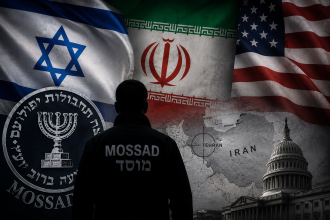



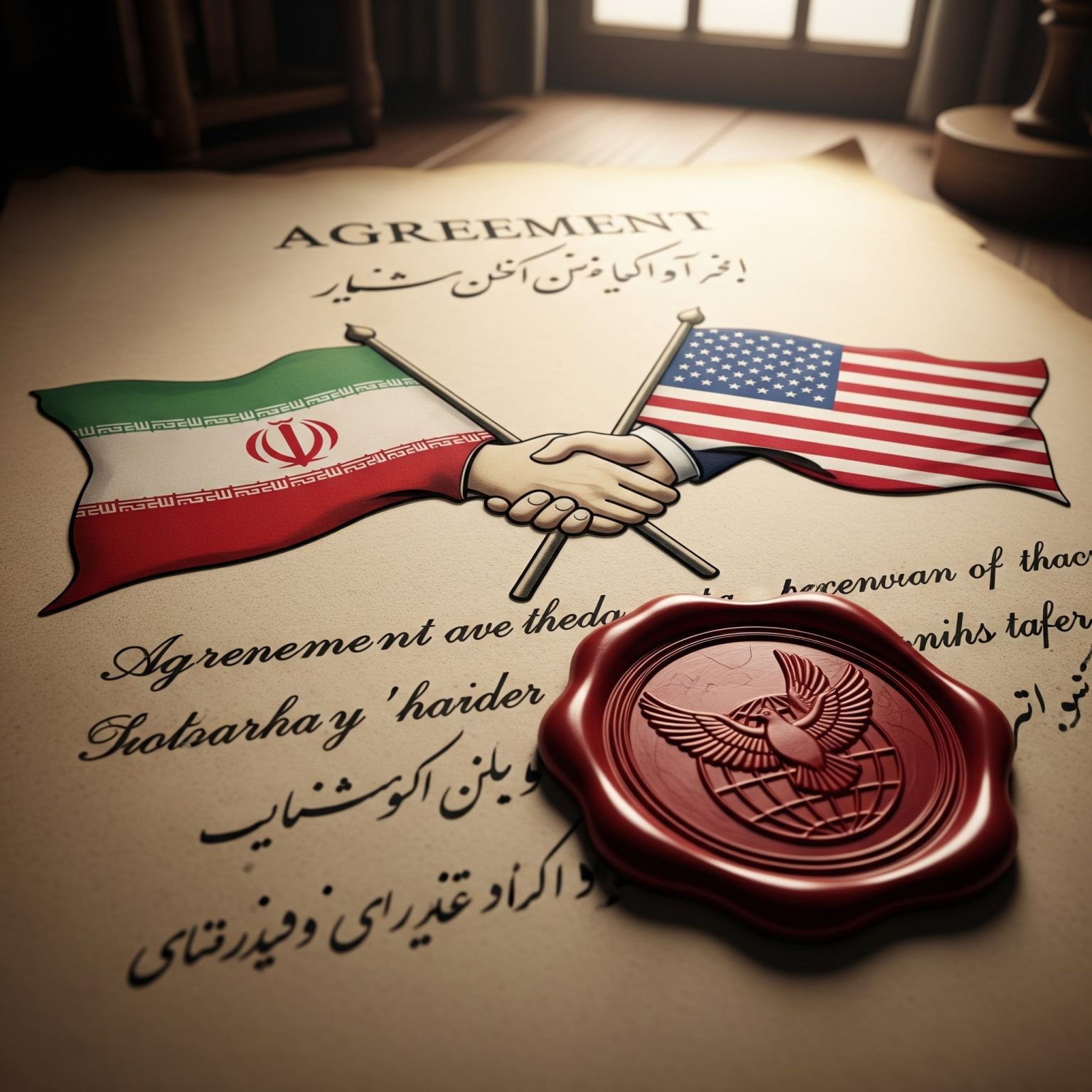

President Donald Trump’s announcement that the United States and Iran have reached a deal to end the war and reopen the Strait of Hormuz has been met internationally with a mix of cautious optimism and skepticism, as key details of the agreement remain unresolved.
After months of escalating tensions, failed diplomatic expectations, and repeated claims that peace was imminent, the announcement is being viewed less as a definitive breakthrough and more as an initial framework for de-escalation.
The limited agreement, expected to be formally signed on Friday, is widely interpreted by analysts as a preliminary memorandum of understanding rather than a comprehensive peace settlement. Significant issues remain open, particularly regarding Iran’s nuclear program and the scope of potential sanctions relief.
Speaking from Dubai, Mohammed Baharoon of B’huth described the deal as “an opening, but only the first step,” stressing that while broader international involvement is encouraging, the risk of breakdown remains substantial.
President Trump has framed the development as a diplomatic achievement, though critics argue that the situation still reflects unresolved strategic contradictions and a highly fragile geopolitical balance.
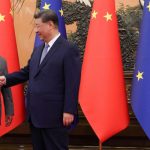
International reactions have followed a similar pattern of cautious engagement. European leaders, including France, the United Kingdom, Germany, and Italy, described the agreement as a “diplomatic breakthrough” and emphasized the urgent need for swift implementation to stabilize both regional security and global energy markets. China also welcomed the announcement, expressing support for the agreement and urging continued dialogue, while highlighting the importance of maintaining stability in the Gulf region and ensuring freedom of navigation through the Strait of Hormuz.
At the same time, independent analysts remain guarded, warning that there are “no clear winners” and that both Washington and Tehran have incurred significant political and strategic costs. The reopening of the Strait of Hormuz, a critical global energy chokepoint, is seen as central to the deal’s economic significance, particularly for global oil supply chains.
Although the agreement represents an important diplomatic opening and a potential step toward reducing tensions between the United States and Iran, it remains fundamentally fragile and incomplete. Core disputes — especially over nuclear limitations and sanctions relief — are still unresolved, leaving the deal dependent on future negotiations. While international actors have largely welcomed the move as a positive shift toward stability, its long-term success will depend on whether both sides can transform this preliminary framework into a fully enforceable and lasting agreement.