


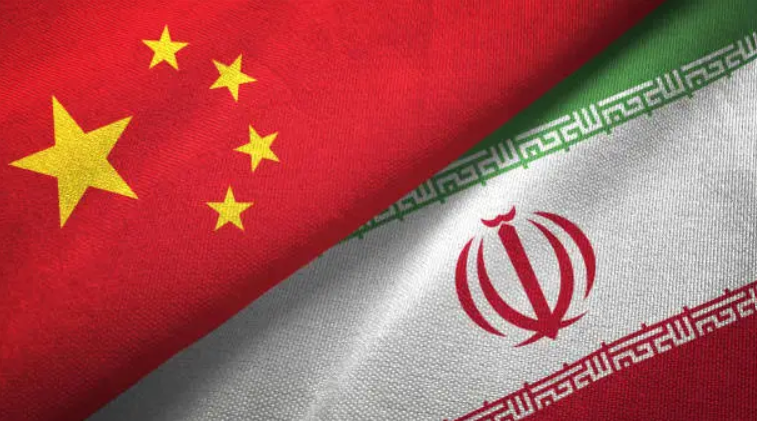
As the United States remains deeply entangled in the Iran crisis, Beijing is quietly positioning itself as the more stable and predictable global actor.
Chinese diplomacy over the past weeks has focused less on confrontation and more on calibrated engagement maintaining ties with Tehran and protecting Gulf energy flows. Xi is smartly avoiding direct military entanglement while presenting China as a responsible global stakeholder.
This strategy reflects a broader Chinese foreign-policy doctrine. Beijing increasingly seeks influence without assuming the costs of direct security leadership. It prefers economic leverage, diplomatic positioning and strategic patience over overt military intervention.
The contrast with Washington is becoming geopolitically useful for China. While the Trump administration faces criticism over regional escalation and unpredictable diplomacy, Chinese officials continue emphasizing stability, commerce and non-interference.
That messaging resonates across parts of the Global South, particularly among states exhausted by prolonged Western military interventions. China’s objective is not necessarily to replace the United States immediately in the Middle East, but to gradually normalize the idea that global leadership no longer belongs exclusively to Washington.