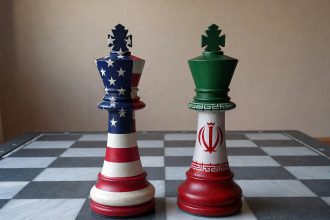



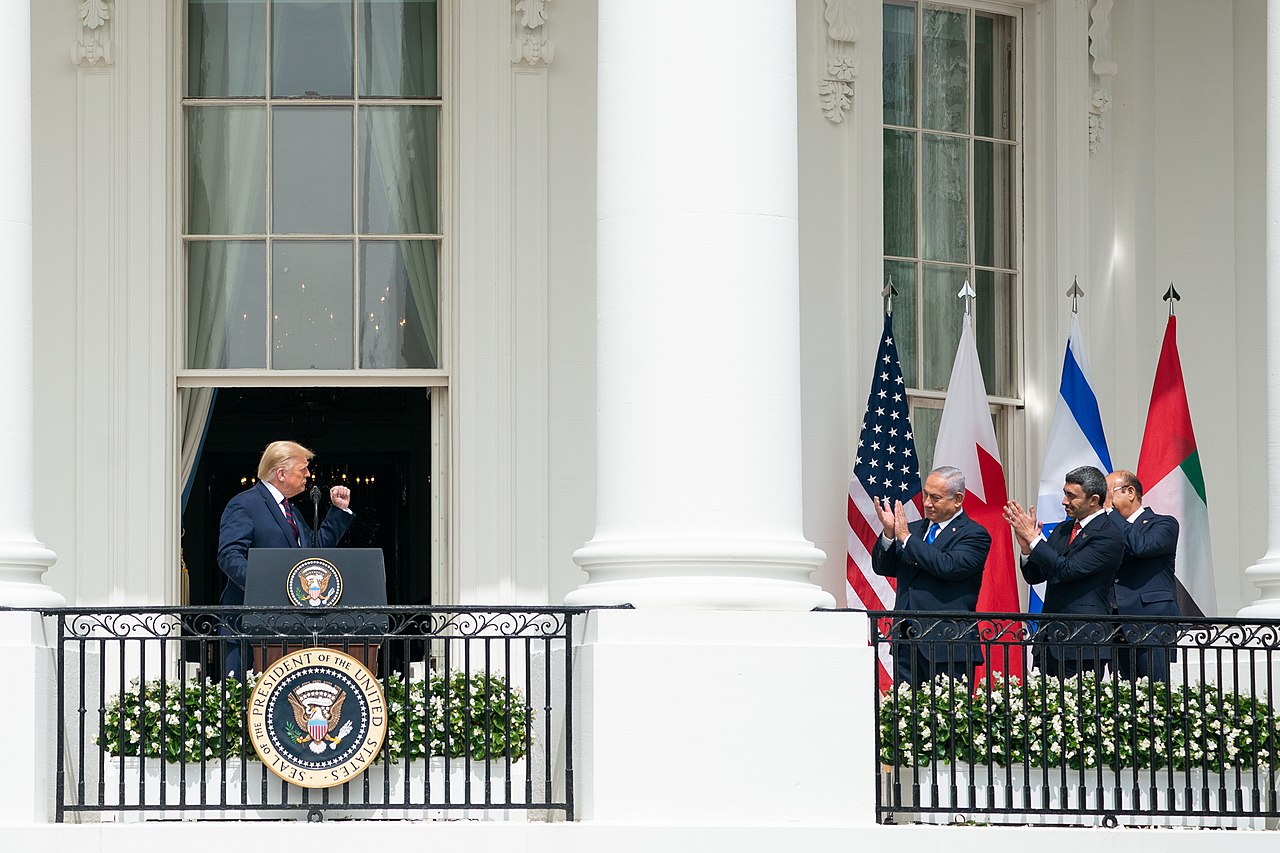
U.S. President Donald Trump’s attempt to link a possible Iran deal with a wider expansion of the Abraham Accords has opened a new and highly uncertain phase in Middle East diplomacy.
Recent talks involving Iranian envoys and Qatar’s prime minister in Doha suggest that Washington and Tehran are still searching for a diplomatic off-ramp after months of heightened conflict. But Trump’s push for Saudi Arabia, Qatar, Egypt, Jordan, Turkey and Pakistan to join a broader normalization framework with Israel has complicated the negotiation space rather than clarified it.
The proposal reflects a familiar Trump doctrine, compress multiple regional files into one grand bargain. Yet the political conditions across the region remain deeply resistant. Saudi Arabia continues to link normalization with Israel to the Palestinian question, while Pakistan has already rejected the idea. For Gulf capitals, the immediate priority is not symbolic alignment with Israel, but de-escalation with Iran, maritime security in the Strait of Hormuz, and protection from another regional war.
The result is a diplomatic paradox. Trump may be seeking a historic regional architecture, but the region itself appears more focused on crisis containment.