


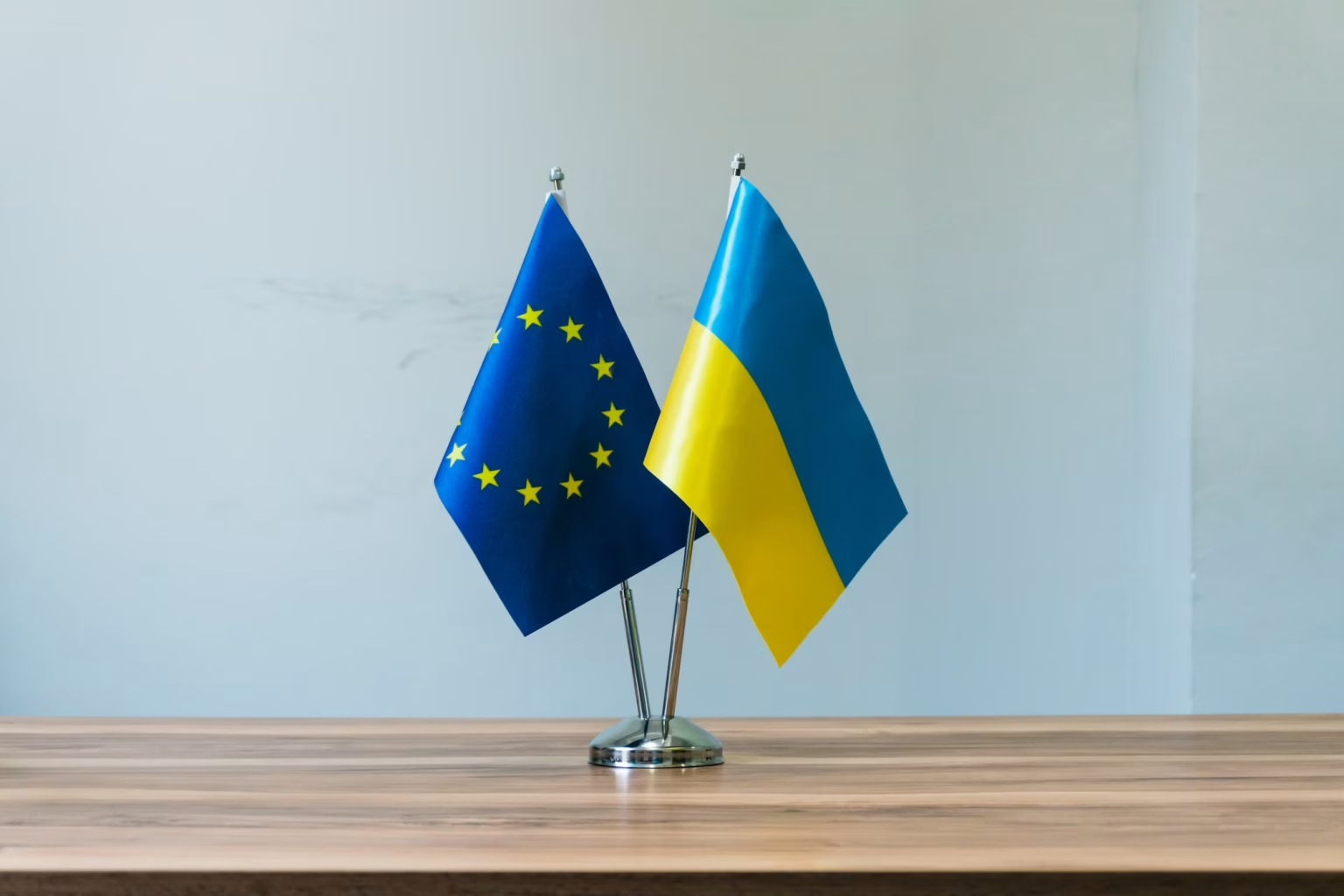


The European Union has formally opened its first negotiation cluster with Ukraine and Moldova, marking a major step in the long and complex process of bringing both countries closer to EU membership.
The decision, confirmed by EU officials on Monday, launches the so-called “Fundamentals” cluster, which focuses on rule of law, judicial independence, democratic institutions, human rights and anti-corruption reforms — areas considered essential for accession.
The move follows months of diplomatic negotiations and the removal of a Hungarian veto that had previously blocked progress on Ukraine’s accession talks. EU leaders agreed earlier this month to unblock the process after reaching internal consensus among all 27 member states.
Ukraine and Moldova were granted candidate status in 2022 following Russia’s full-scale invasion of Ukraine, which accelerated Brussels’ geopolitical push to deepen integration with its eastern neighbours. Formal accession negotiations were launched in 2024, but progress had stalled until this latest breakthrough.
EU officials described the opening of the first cluster as the “backbone” of the accession process, stressing that reforms in governance, judiciary systems and public administration will determine how quickly both countries can advance toward full membership.
For Ukraine, the decision comes at a critical moment in its ongoing war with Russia, with EU membership seen in Kyiv as a strategic anchor for long-term security and political stability. Moldova, meanwhile, continues to pursue closer integration amid concerns over Russian influence in the region.
The accession process is expected to take years and requires unanimous approval from all EU member states at each stage, meaning further political hurdles remain despite Monday’s milestone.
EU leaders say the opening of the cluster signals renewed momentum for enlargement policy, which had slowed in previous years but has regained urgency following Russia’s invasion of Ukraine and shifting geopolitical dynamics in Europe.
Further negotiation chapters are expected to open gradually as both countries continue aligning their laws and institutions with EU standards.