




The arrests in Baghdad were not just about stolen money. They were about who controls the Iraqi state.
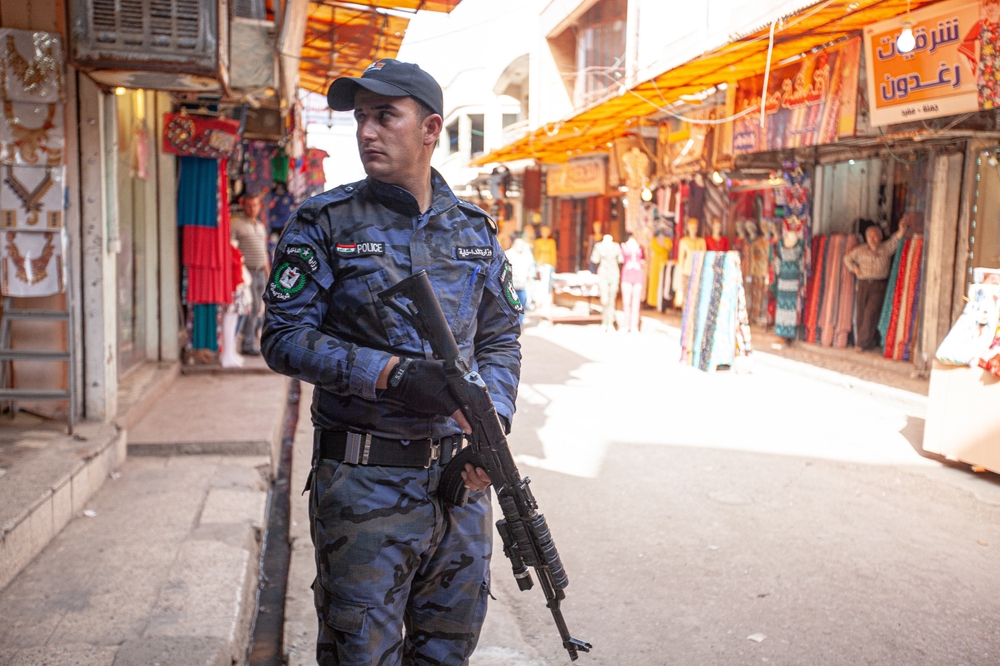
Iraqi security forces moved through the Green Zone before dawn, sealing off one of the most protected areas in the country. By the end of the operation, dozens of political figures and officials had been detained. Among them were current lawmakers, former officials and people linked to Iraq’s powerful oil sector.
For any other country, this would be a major legal case. In Iraq, it is something bigger. It is a test of whether the government can touch the networks that have treated the state as private property for more than two decades.
Corruption in Iraq is not a side problem. It is part of the political system that was built after 2003. Ministries became prizes. Contracts became sources of party money. Public jobs became tools of loyalty. Oil wealth kept the machine alive, while ordinary Iraqis were left with poor electricity, weak services and few real chances.
That is why this crackdown matters. It comes at a moment when Iraq is no longer defined mainly by the fight against the Islamic State. The security threat has not disappeared, but the bigger question now is whether the state can become stronger than the political and business networks feeding from it.
The immediate trigger appears to be an investigation linked to former Deputy Oil Minister Adnan al-Jumaili. According to reporting media, Iraqi authorities said the probe pointed to lawmakers and officials accused of using state resources, election money and government contracts for personal and political gain. Some parliamentary immunity was lifted before arrest warrants were carried out.
That detail is important. If the judiciary and parliament are willing to move against sitting lawmakers, the campaign may be more serious than Iraq’s older anti-corruption promises. But it also makes the operation politically dangerous. In Iraq, corruption cases are rarely just legal cases. They often cut through party rivalries, sectarian alliances and struggles over oil money.
Prime Minister Ali al-Zaidi is trying to show that he is not just another caretaker of the system. He came to office after a political deadlock and now needs to prove that he can govern. The arrests give him a strong opening. They tell Iraqis, foreign investors and Washington that his government is ready to act.
But the real test is what happens next. Iraq has seen many anti-corruption campaigns before. Some began with loud arrests and ended quietly. Some were used to weaken rivals rather than to clean the system. Some targeted small figures, while the real power brokers remained untouched.
That is the danger here. A crackdown becomes reform only when it is fair, public and sustained. It must follow evidence, not political convenience. It must recover stolen assets, not only produce dramatic images of raids. It must protect courts from party pressure. And it must reach the ministries, contracts and banking channels where corruption actually lives.
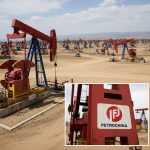
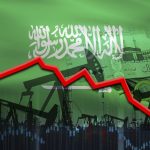
The stakes are huge because Iraq’s economy still depends heavily on oil. Reuters reported that oil accounted for 88 per cent of Iraqi government revenue last year. That leaves the state deeply exposed whenever exports are disrupted or prices fall. It also makes control over oil contracts one of the biggest sources of political power in the country.
This is why corruption is also a security issue. A weak state gives space to militias, smugglers and armed political groups. When ministries are captured by factions, the government cannot fully control money, borders or weapons. When public contracts are treated as spoils, citizens stop believing in the state. That anger helped fuel past protests and could return if this campaign fails.
International groups have warned for years that Iraq’s anti-corruption system suffers from weak enforcement, political interference, limited transparency and poor public access to information. A 2025 civil society report supported by the UNCAC Coalition said Iraq had laws and strategies on paper, but implementation remained weak.
Transparency International’s 2025 index also shows the wider problem. It warned that corruption remains a serious global threat and that weak institutions allow abuse of power to continue. Iraq remains among the countries where public trust has been badly damaged by years of graft and poor services.
The Washington Post’s argument is that Iraq has reached a new stage. The country has survived the Islamic State. It has held elections. It has transferred power. The next battle is over legitimacy: whether Iraqi institutions can beat the informal networks that have adapted faster than the state itself.
That is the heart of the story. This is not only about arresting corrupt officials. It is about whether Iraq can move from survival to state-building.
If al-Zaidi follows the raids with real court cases, asset recovery and protection for investigators, this could become a turning point. If the campaign stops at selective arrests, it will become another chapter in Iraq’s long history of broken reform promises.
For now, the message from Baghdad is clear. The state is trying to show its teeth. The question is whether it is strong enough to bite the hands that have been feeding from it for years.