




Tokyo’s defence chief heads to Ankara as Japan draws closer to the alliance and the threat from China pushes European and Indo-Pacific security into the same room.
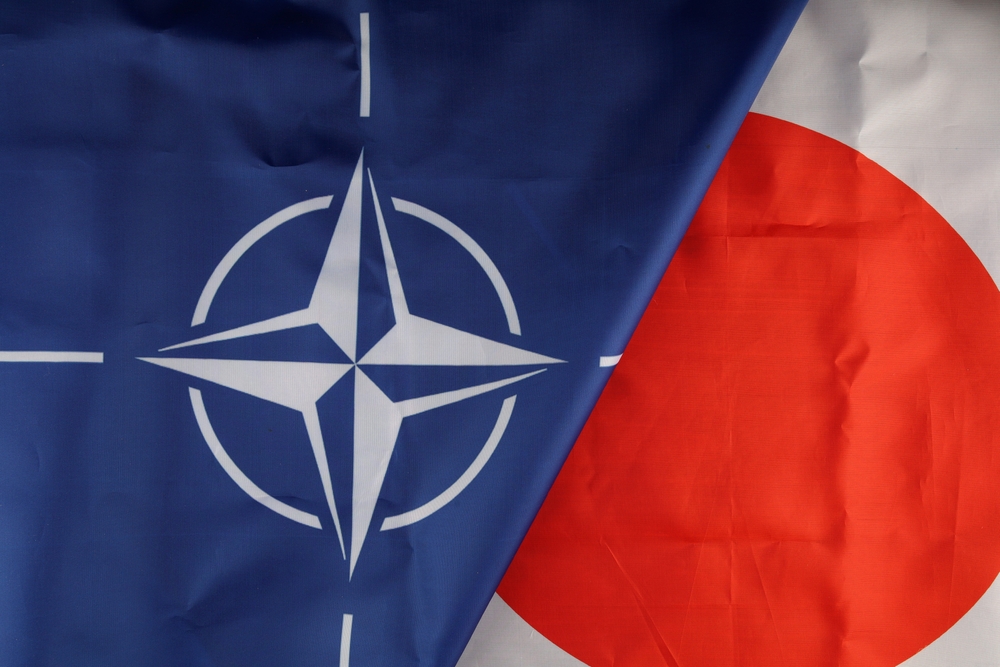
The boundaries of global security architecture are rewriting themselves as Japanese Defence Minister Shinjiro Koizumi prepares to travel to Turkey next week for the annual NATO summit. This highly symbolic visit marks a deeper institutional integration between the transatlantic alliance and its democratic partners in the Far East. By participating in a high-level defence industry forum and an exclusive working dinner of defence ministers in Ankara,
Tokyo is moving beyond mere diplomatic dialogue into real, practical military cooperation. This development matters immensely because it formalises the concept that Euro-Atlantic and Indo-Pacific security are fundamentally inseparable, creating a unified front against a consolidating bloc of authoritarian states.
According to media reports, NATO Secretary General Mark Rutte extended a historic invitation to the defence chiefs of the alliance’s four Indo-Pacific partners, a group that includes Japan, South Korea, Australia, and New Zealand. While Japanese prime ministers have previously attended the headline political summits, this is the first time a Japanese defence minister will embed directly into the core military and industrial working sessions of the alliance.
The shift reflects a growing recognition within Western capitals that modern security challenges cannot be contained within separate geographic silos. Military planners increasingly believe that the coordination of industrial defence production lines is crucial to counter the massive manufacturing output of rival states.
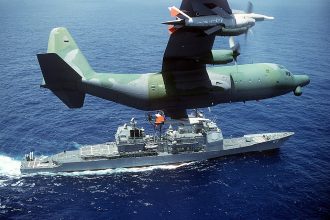
The impetus for this unprecedented coordination stems from the deepening alignment between China, Russia, and North Korea. Recent assessments indicate that the security environment in the East and South China seas has deteriorated as a result of more aggressive maritime manoeuvres and joint military exercises between Moscow and Beijing.
Furthermore, the transfer of military technology and ammunition between North Korea and Russia to support the ongoing invasion of Ukraine has proven to Western officials that regional security theatres have completely merged. In response, Tokyo has steadily expanded its operational footprint with the alliance, including the deployment of military personnel to the Ukraine support headquarters of NATO in Germany earlier this year.
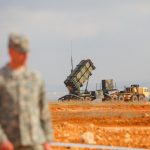
This expanding partnership offers critical opportunities and risks for global governments and defence businesses. Security analysts suggest that by integrating the high-tech industrial capacities of Japan with the procurement frameworks of NATO, the alliance can significantly accelerate the production of advanced radar software, cybersecurity shields, and anti-aircraft infrastructure.
However, this deepening alignment also risks provoking countermeasures from regional adversaries who view the expansion of Western institutional networks into Asia as an attempt at encirclement. Decision makers warn that the growing militarisation of the Pacific could squeeze global shipping lanes and force corporate supply chains to endure prolonged volatility.
The upcoming summit in Ankara will provide a vital gauge of how effectively these disparate military powers can synchronise their long-term strategies. Regional observers note that while political consensus is strong, the practical challenges of standardising ammunition, sharing classified electronic data, and overcoming domestic legal restrictions on weapon exports remain formidable obstacles for Tokyo.
The critical factor to watch in the coming weeks will be whether this ministerial meeting results in a formal joint maritime strategy or a concrete pact for defence production, or if the coordination remains a purely symbolic deterrent against the evolving geopolitical landscape.